 In December 1973 and February 1974 my then girlfriend Heather and myself spent two month’s hitchhiking around New Zealand when we took an extended break from our jobs in Sydney Australia.
It created many positive memories that remained with me for the next 50 years. It was where I made one of my first mountain hikes near Mt Cook but above all it was the friendliness of the people so proud of ‘God’s own Country’, and the incredible variety of the scenery and landscapes that remained in my mind.
50 years later when my wife Sharron and myself were planning to spend a month on an Expedition to the Ross Sea Area or Antarctica (see here) we decided to spend the 3 weeks prior to the trip exploring New Zealand and visiting family.
Our trip took us from the largest city Auckland towards the northern end of the North Island, to the outdoors mecca of Queenstown and Invercargill on the South Island and we visited many of the most interesting areas and attractions in between.
My wife had made several visits to New Zealand since she lived and worked there 50 years ago as her son Stephen lives to the north of Wellington but for me other than a two day visit to Hamilton in December 1975 en route to the Pacific Islands, it was my first visit in 50 years.
As many New Zealanders or Kiwis will quickly tell you, it is one of the most isolated countries in the world with Australia some 3+ hours flying distance away, the only significant nation of size anywhere close.
As a result old habits die hard and it is a somewhat naturally conservative nation. Try finding a Coffee shop open after 7pm in downtown Auckland, a city of with a population approaching 1.5 million!
But for a small country it is surely unrivalled for the variety of scenery to enjoy and attractions to visit and I certainly hope to revisit New Zealand sooner rather than later. For sure I will not leave it 5 years let alone 50 which will be impossible anyway!
What follows is a visual overview of the journey we took and I hope it inspires you to consider a visit. For sure wherever you are reading this it will likely be a long journey but without doubt worth every cent you invest in making the journey.
Auckland January 12 – 14 2023
With a population approaching 1.5m Auckland is by far the biggest city in New Zealand, a nation of just 5.25 million inhabitants.
It is a harbour city often compared with Sydney for its natural beauty, but in truth a city that had not made much of an impression on me when I spent Christmas there in 1973. Perhaps that was because we were evacuated from the Bay of Islands area to the north which suffered some very unseasonable flooding.
This time it was a delight to catch up with Caroline and Sarah Marino, who had both worked as Nannies for us when Sharron and I were busy as working parents establishing Casterbridge Tours. And both had gone on to work as tour guides for Casterbridge Tours in the 1980s. We had stayed in touch and always tried to meet up with Caroline on her occasional visits to the UK after she established a teaching career in New Zealand and Sarah who had relocated permanently to the UK for much of her working life.
And on this occasion under the tutelage of two excellent (and well trained!) guides, Auckland did in fact make a very favourable impression on me, notwithstanding challenges in trying to procure an evening cup of coffee.
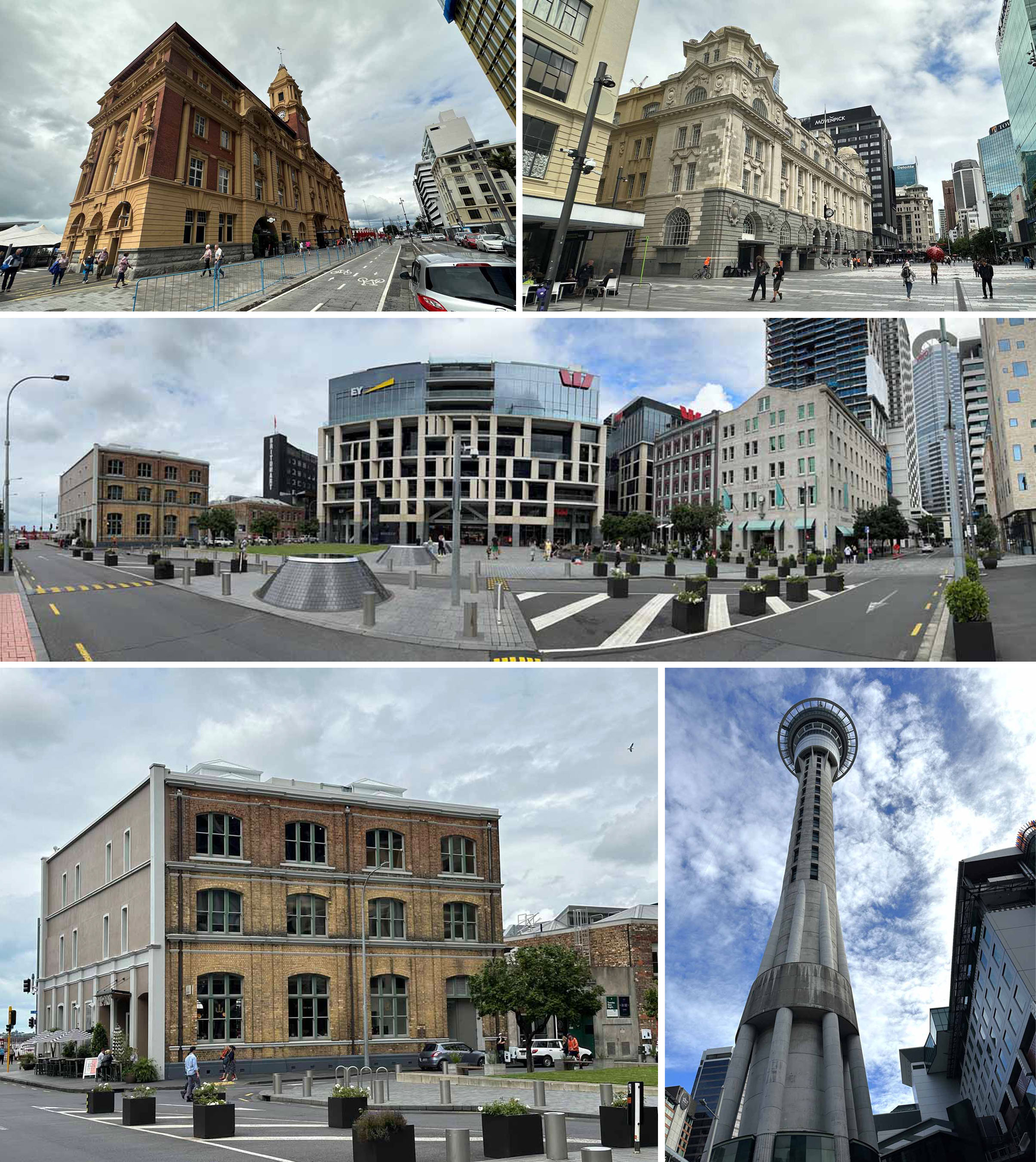
Auckland combines Heritage buildings and modern architecture in close proximity.
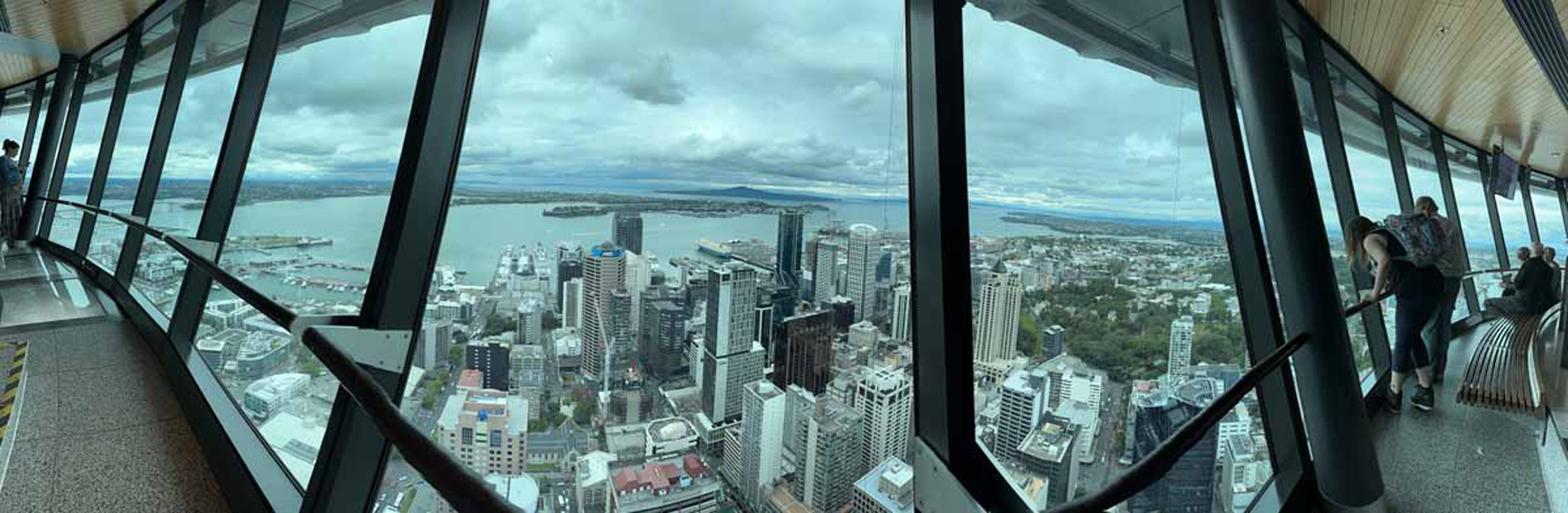
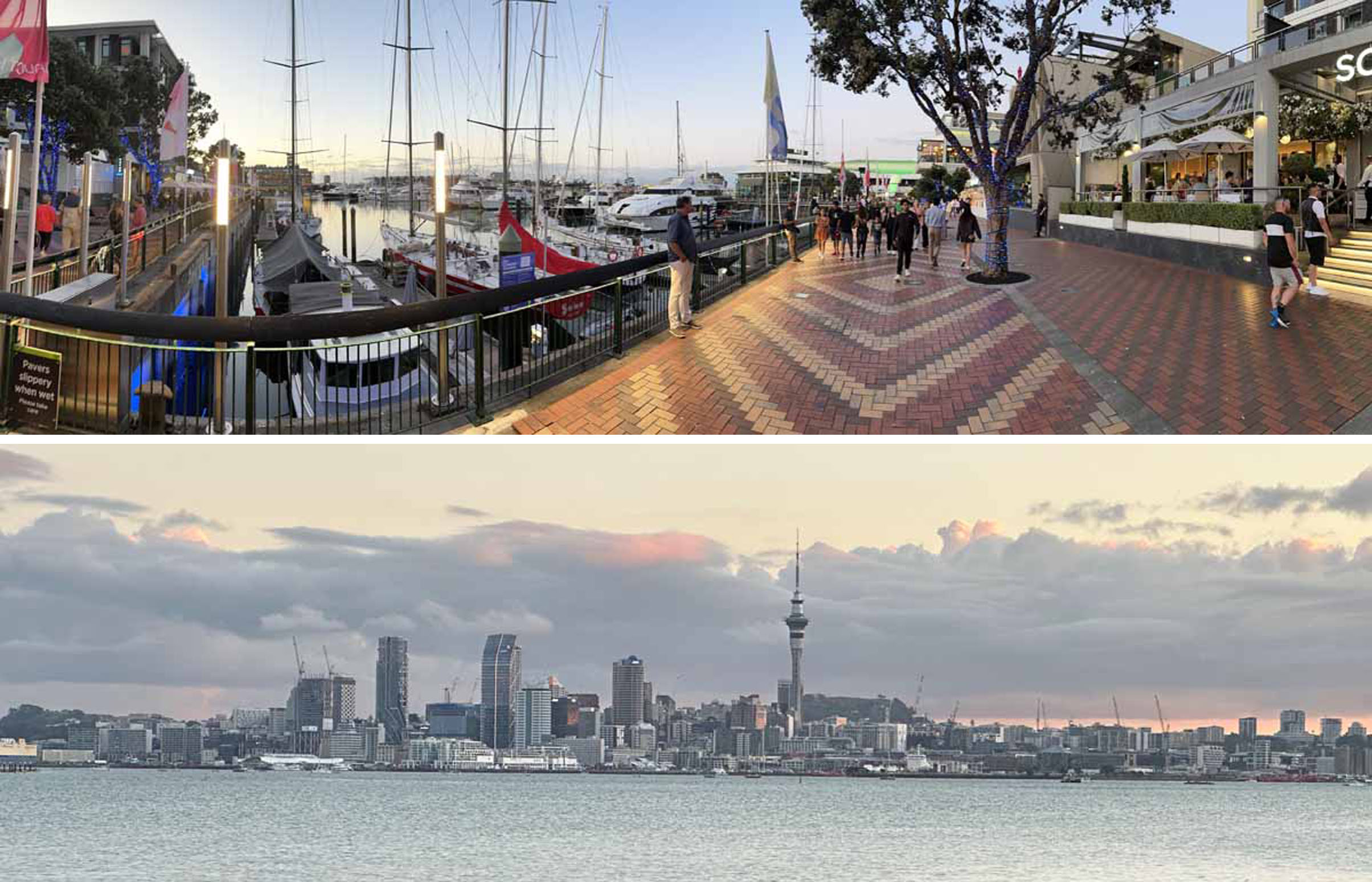
The magnificent view of Auckland’s Downtown and the Harbour from the Sky Tower.
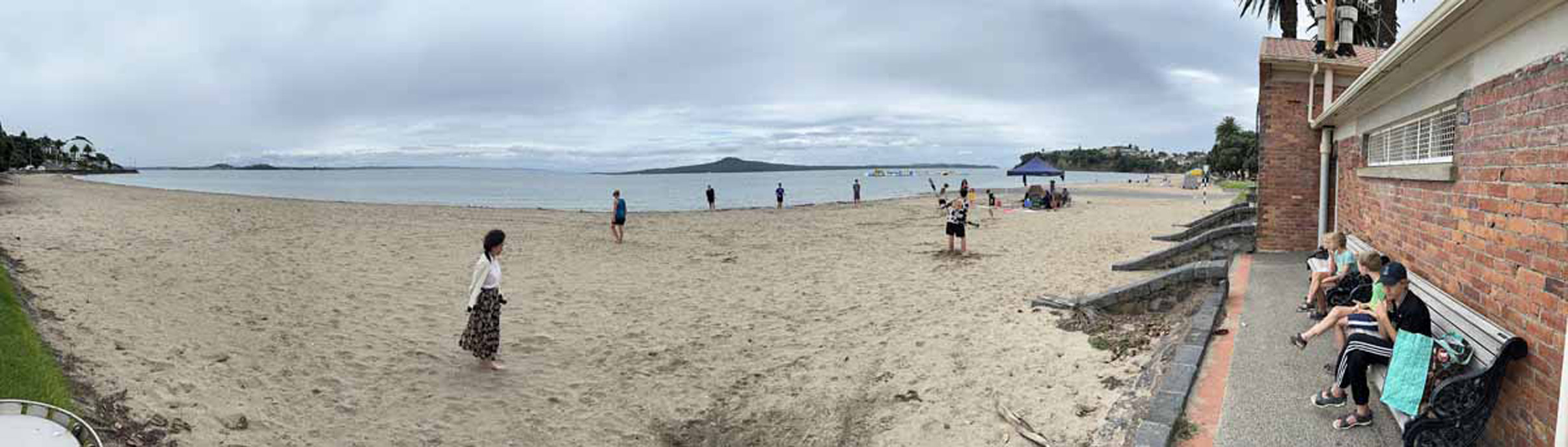
St Heliers Beach – like Sydney its Australian counterpart, Auckland has several oceanside beaches.
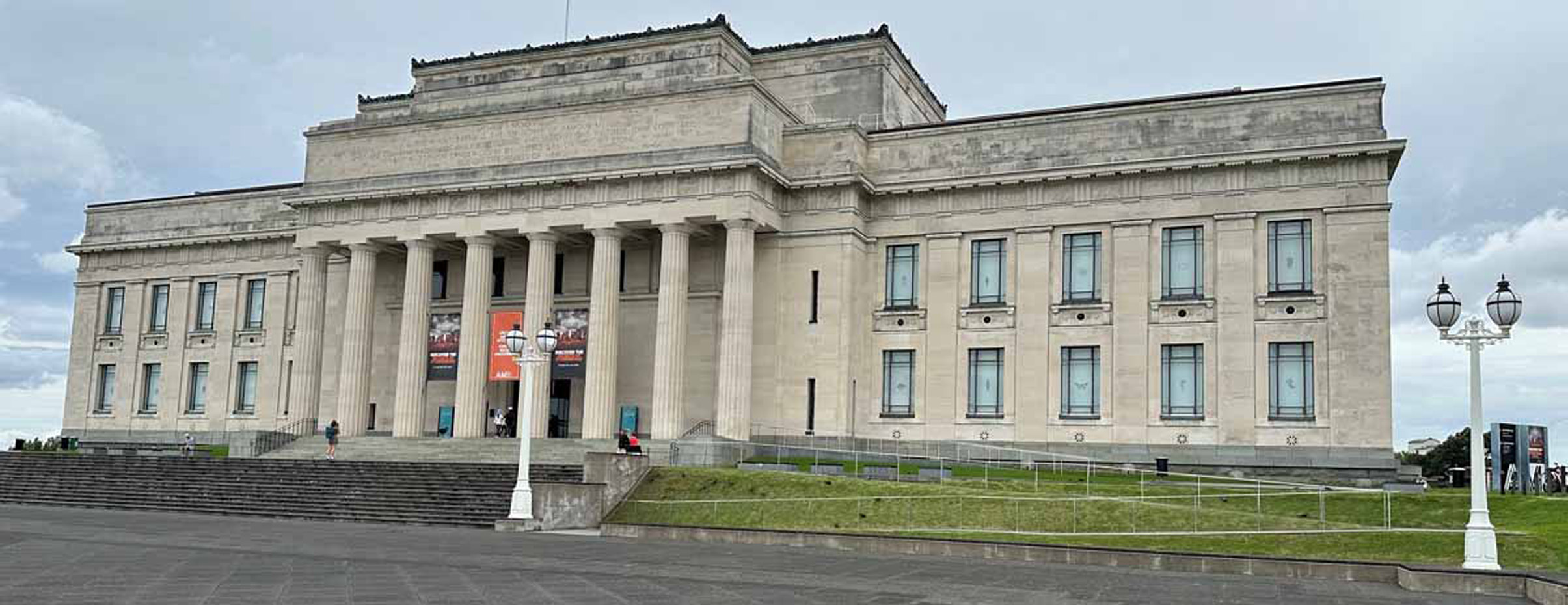
The Auckland Museum.
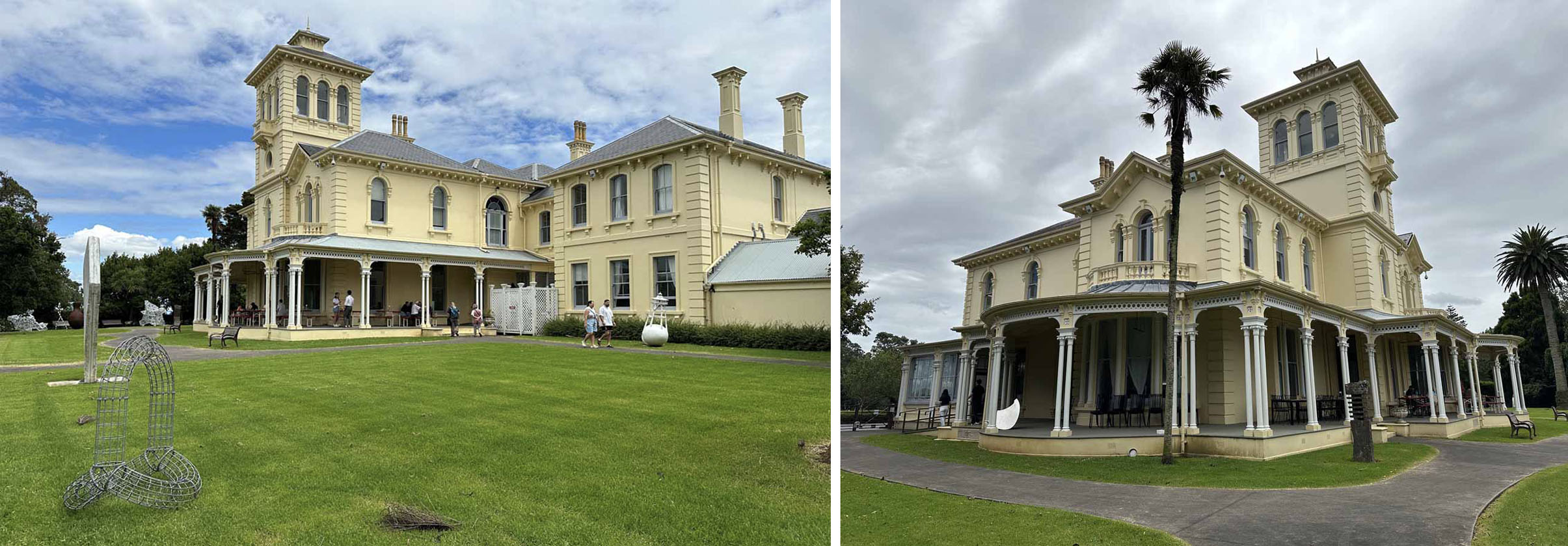
The Pah Homestead in Monte Cecilia Park has been transformed into a Gallery of New Zealand Art ……………………
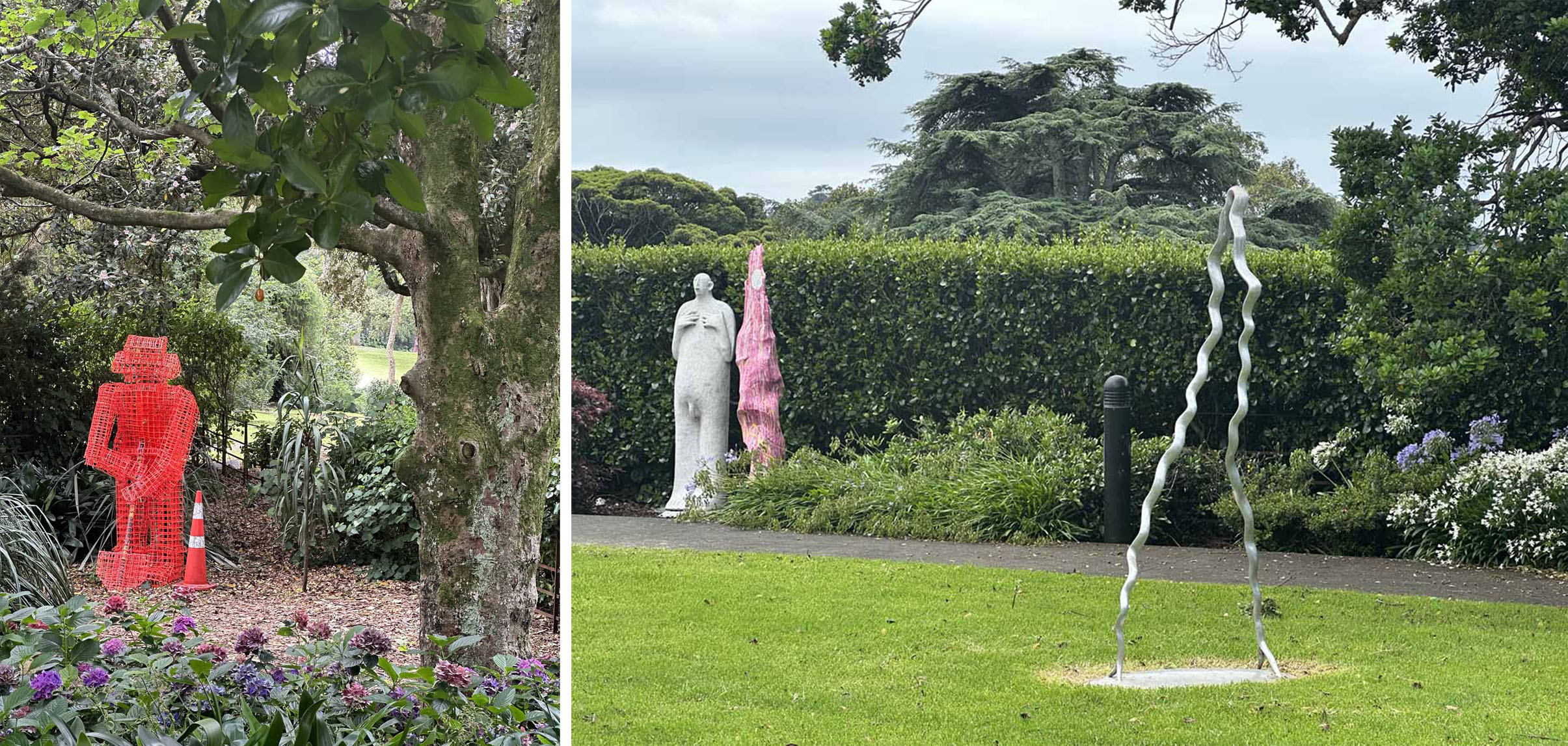
…………………… with an interesting collection of modern sculpture in the grounds.
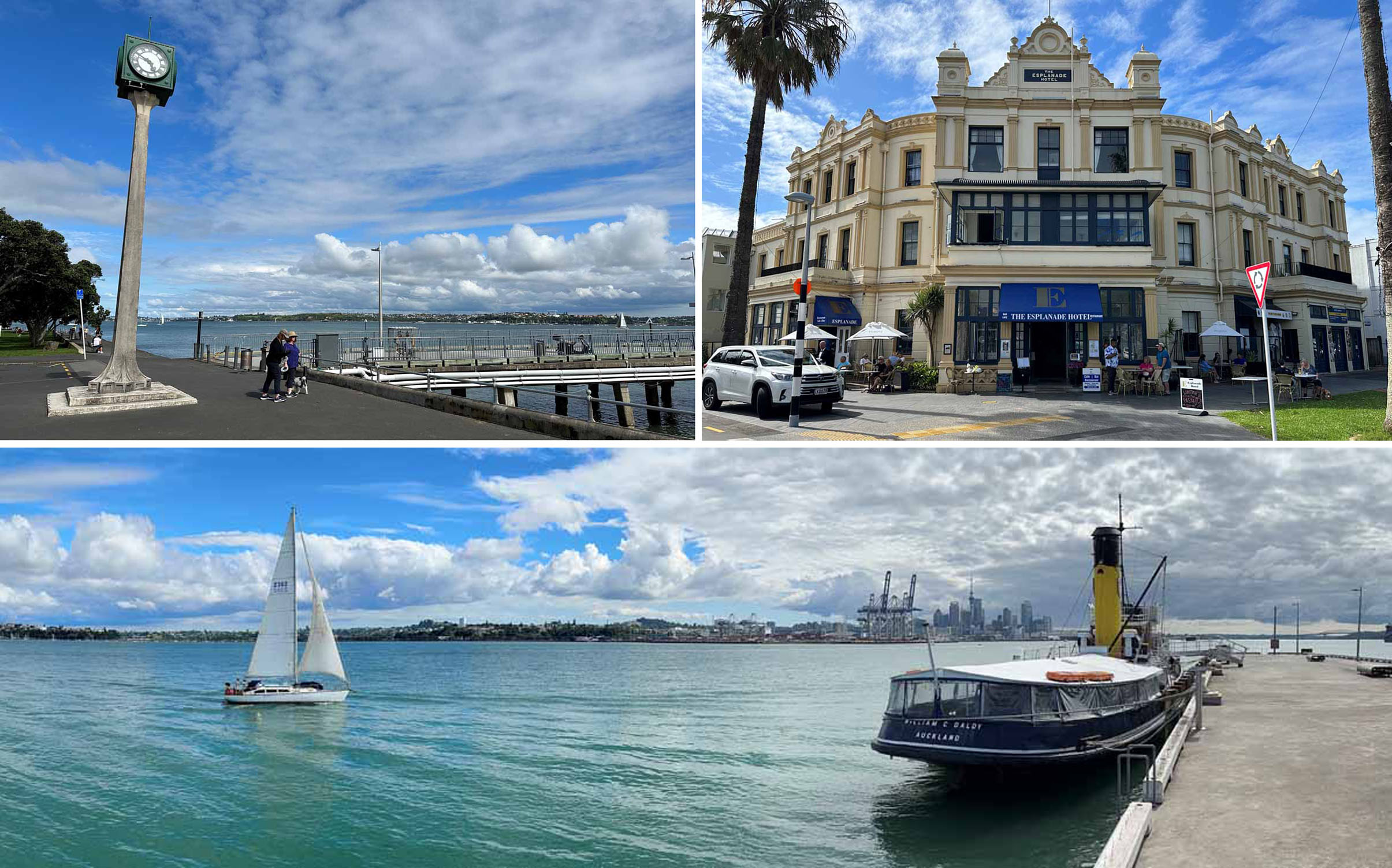
Devonport is a popular Harbourside suburb that combines heritage architecture with fine Harbour views.
North Head has been used as a coastal defence installation and provides sweeping views over Auckland Harbour.
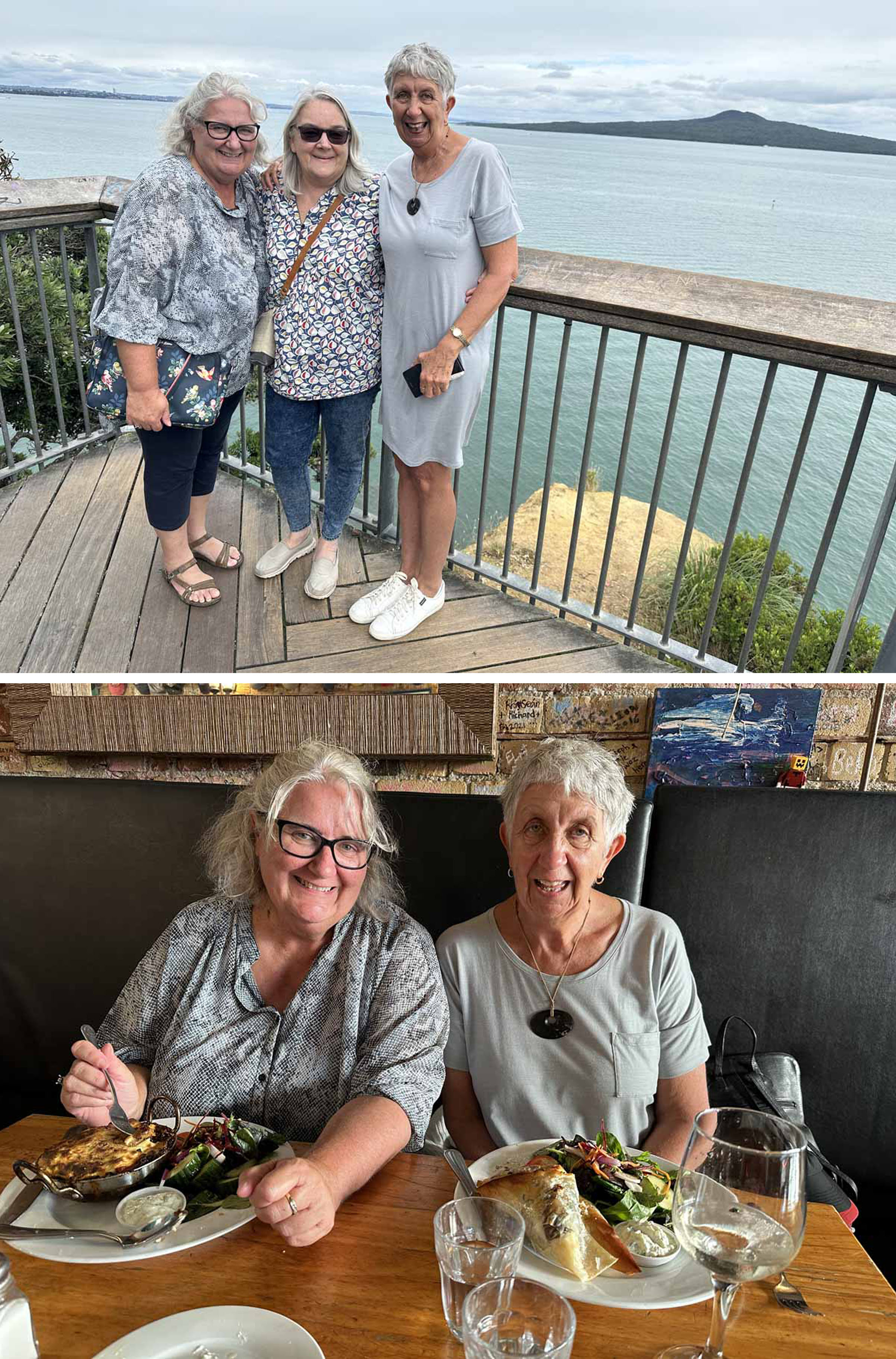
Our friends Caroline and Sarah Marino were our guides for the day as we explored Auckland.
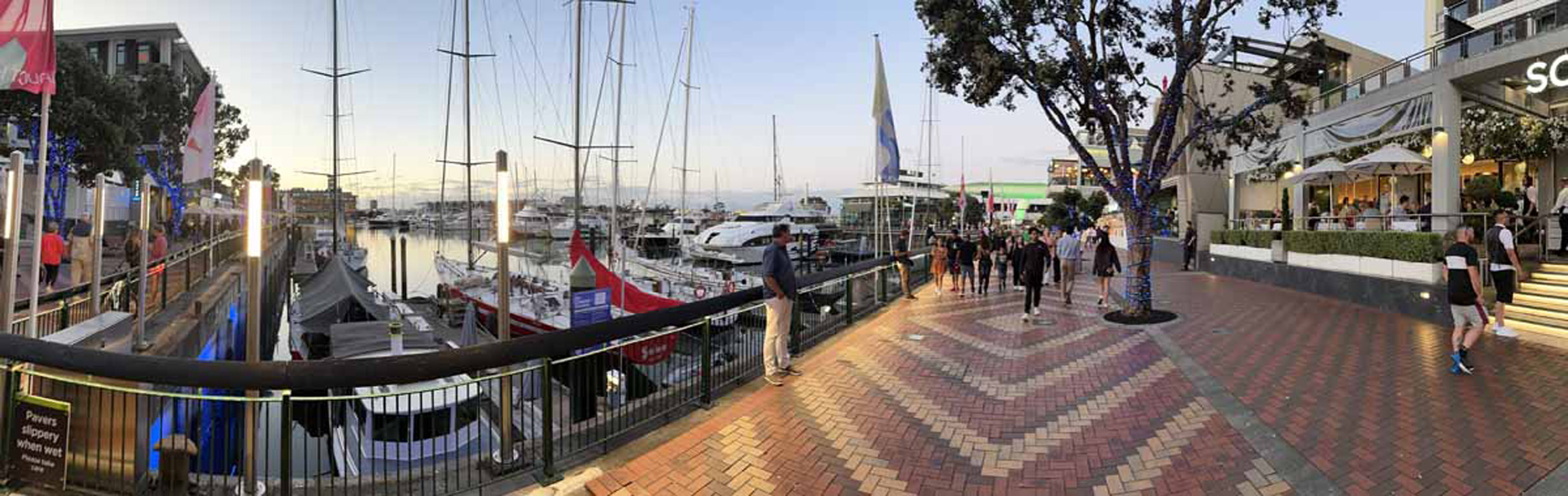
Despite bustling Harbourside Marinas …………..
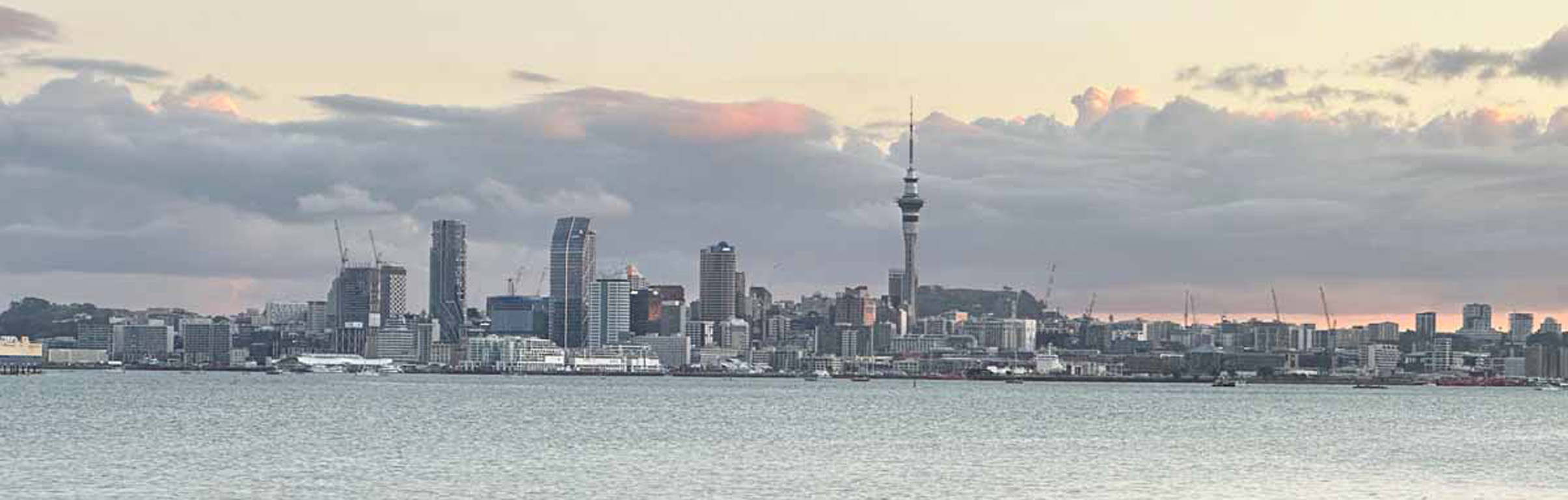
………………… Auckland remains at heart a laid back and charming City with a strong maritime tradition.
Rotorua January 14 – 17 2023
Rotorua with its Maori heritage is only rivalled by Yellowstone National Park in the USA and Iceland as the world’s foremost Geothermal area. There are so many different areas to visit, it is probably best to restrict oneself to just two or three a day.
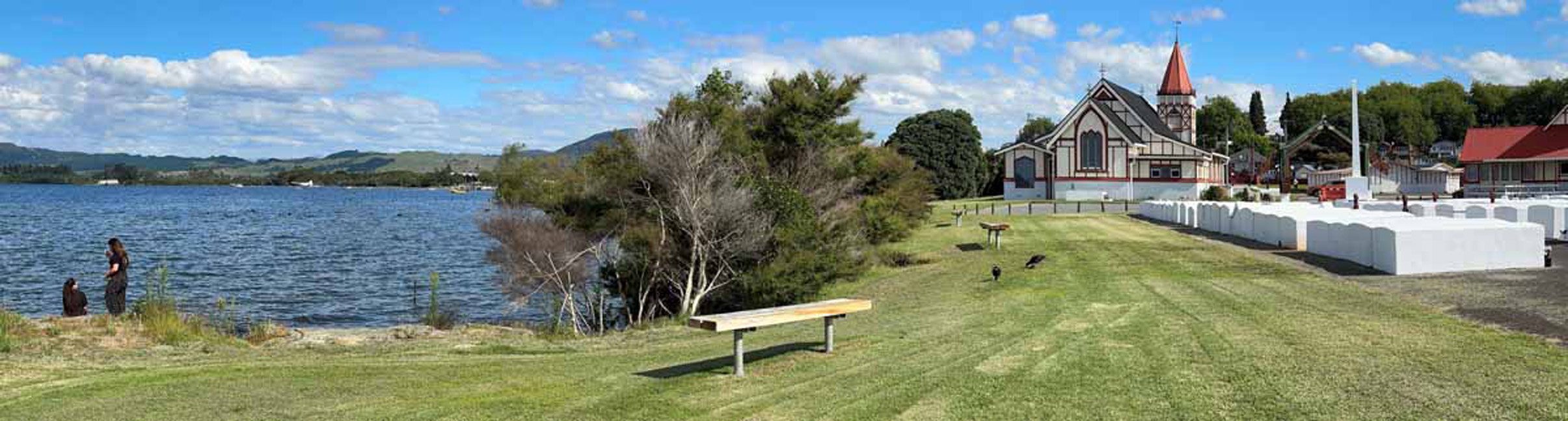
St Faith’s is an Anglican Maori Church that enjoys a picturesque location on Lake Rotorua.
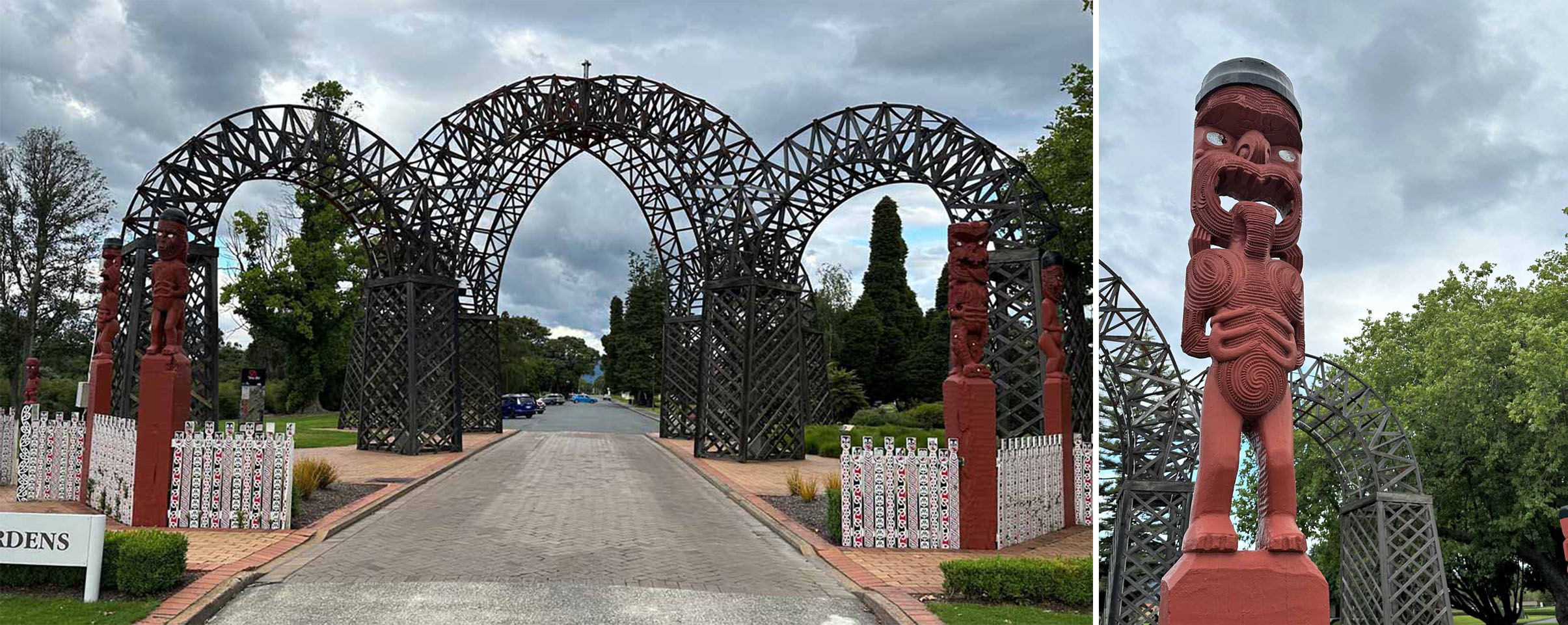
The entrance to the Government Gardens, a beautiful Public Park.
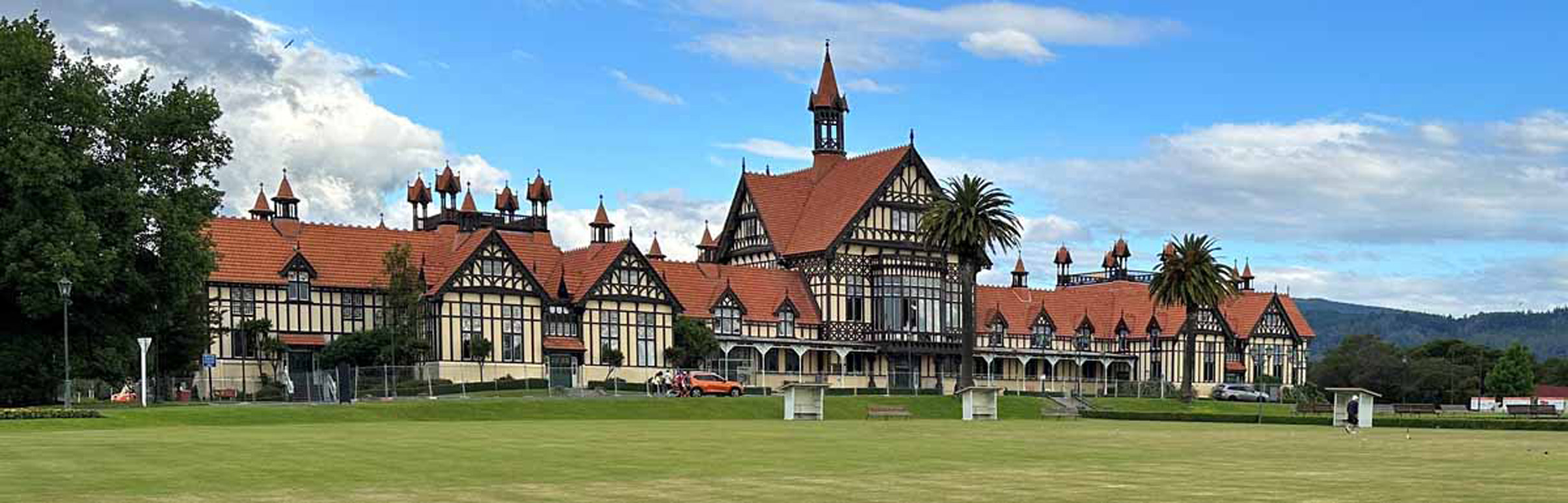
This magnificent Bath House built in an Elizabethan Tudor style dates from 1908 and dominates the Government Gardens. It now houses the Rotorua Museum and Art Gallery.
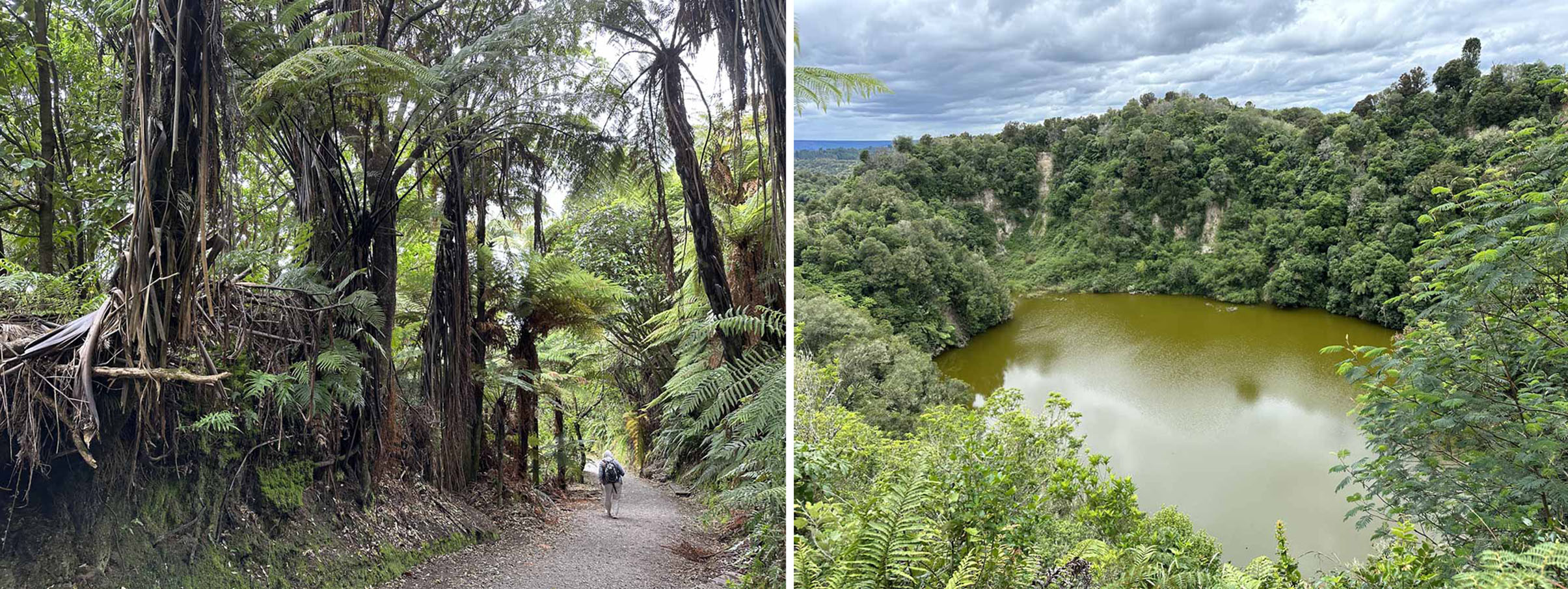
Entering the Waimangu Volcanic Valley, one of several Geothermal areas, is well worth a visit.
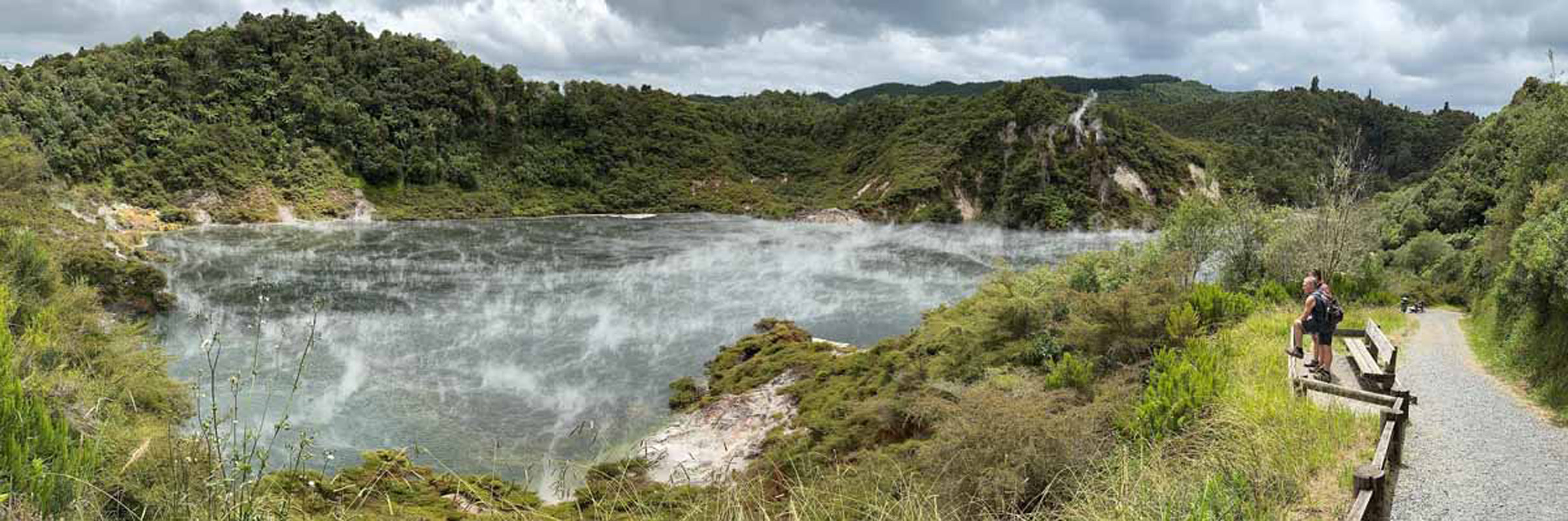
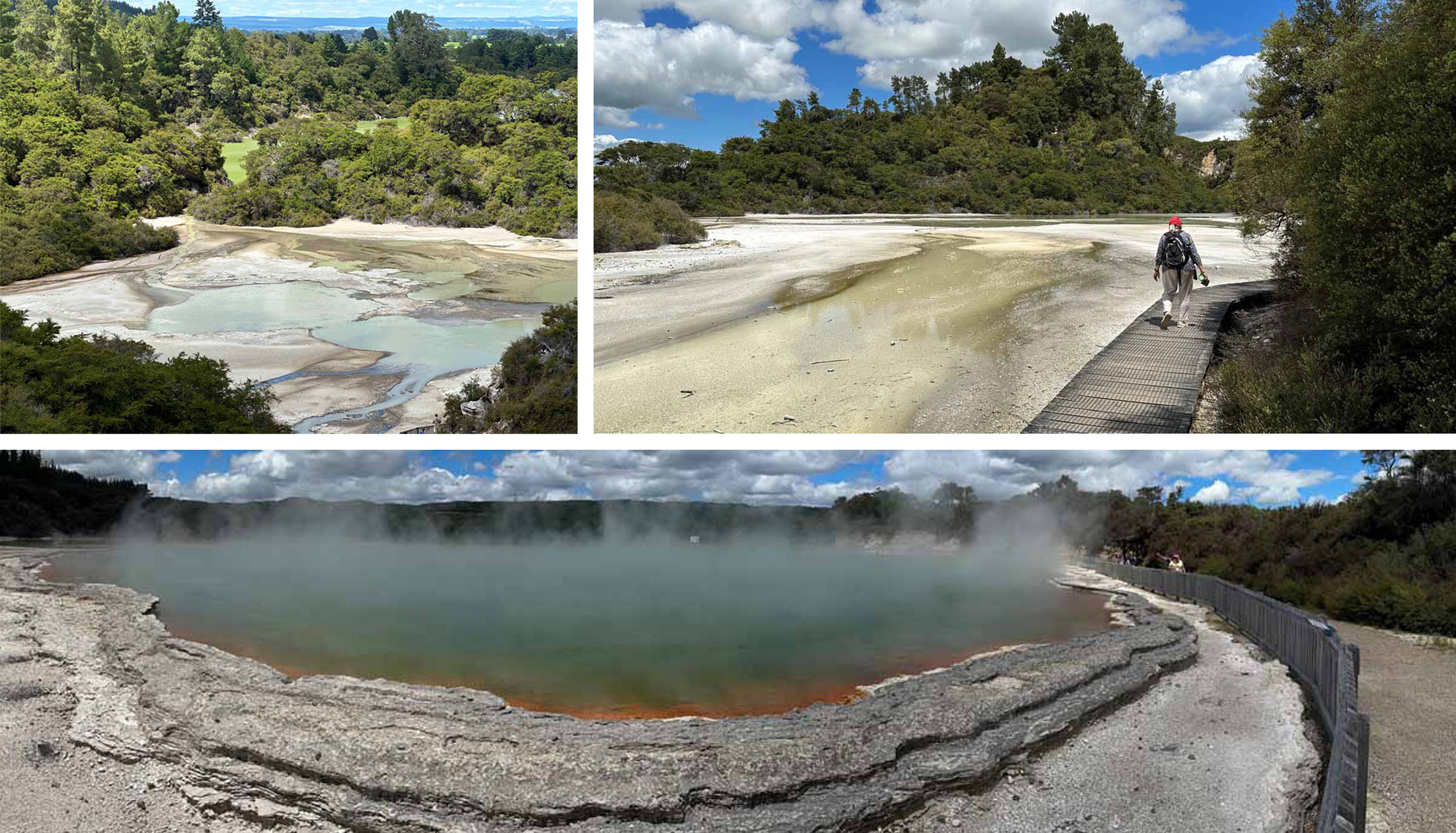
Frying Pan Lake is the world’s largest hot water spring.
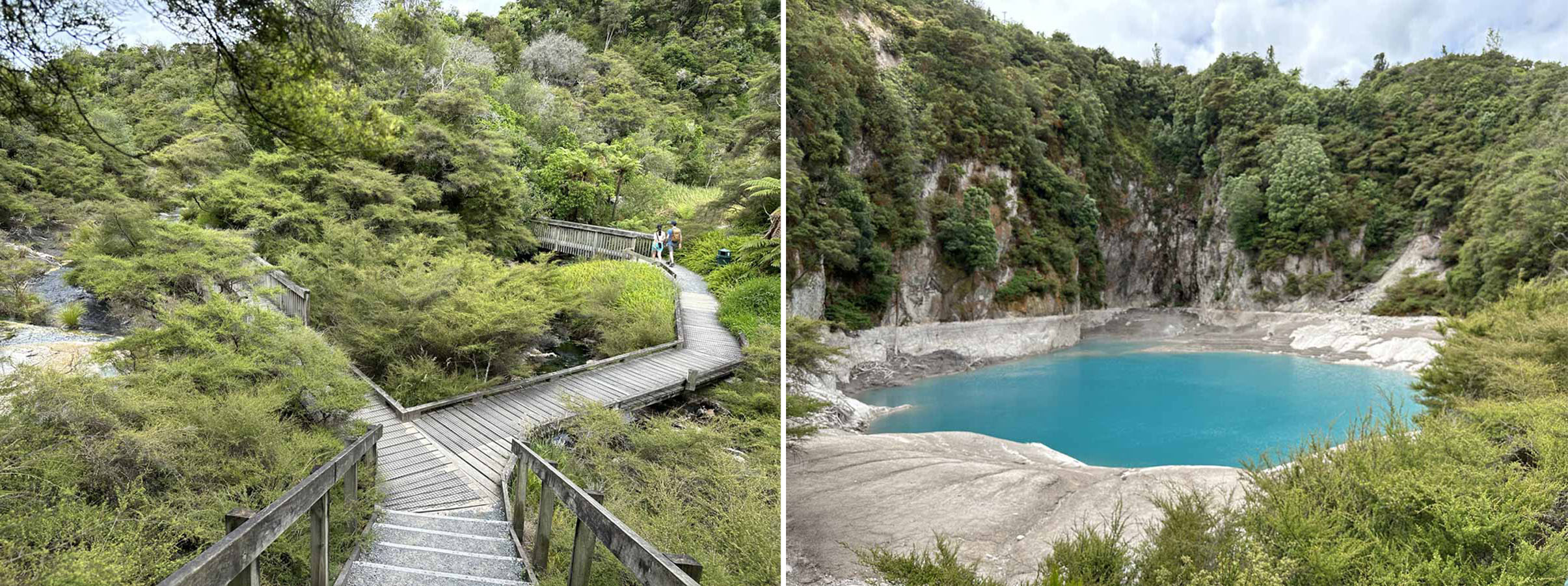
A boardwalk and wide paths lead to Inferno Crater Lake which fills and empties every 38 days. It is the world’s largest geyser like feature.

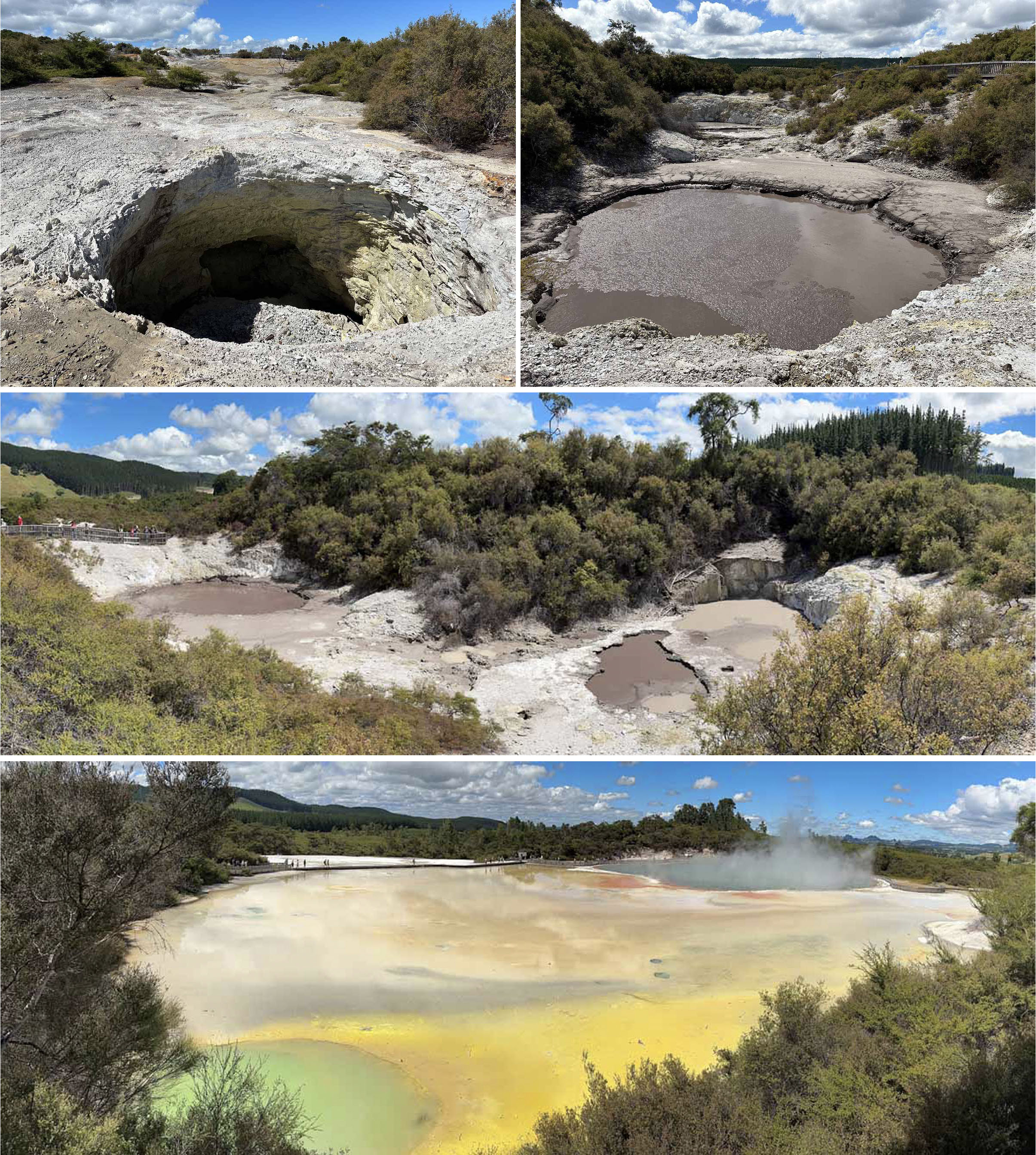
The Waimangu Volcanic Valley is characterised by beautiful Silica terraces and a wide variety of rare and endangered Botanical species.
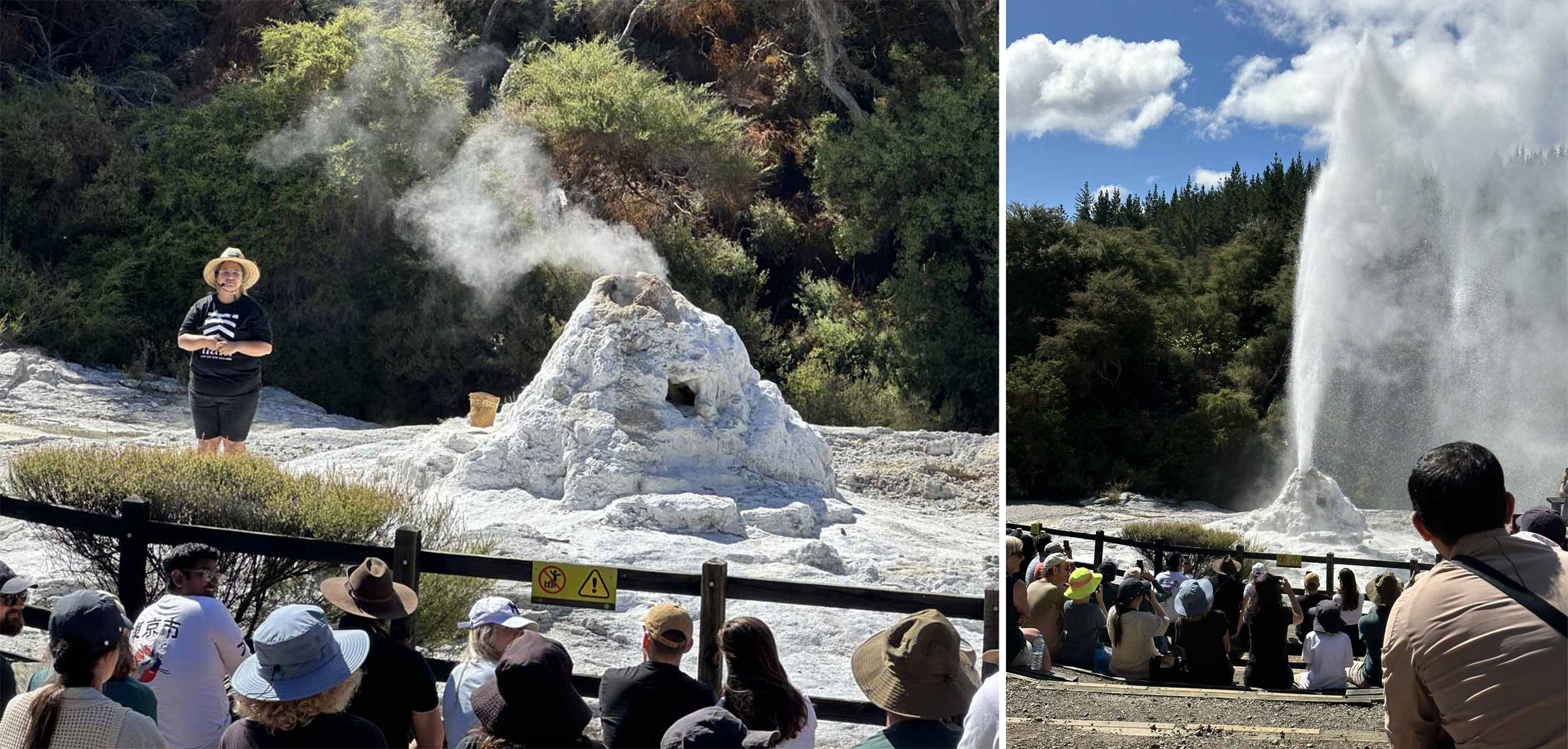
The Wai-O-Tapu Thermal wonderland (and Lady Knox Geyser) is considered Rotorua’s most spectacular and colourful geothermal area.
This huge cauldron is known as Artist’s Palette because of its many vibrant hues surrounded by a native bush backdrop.
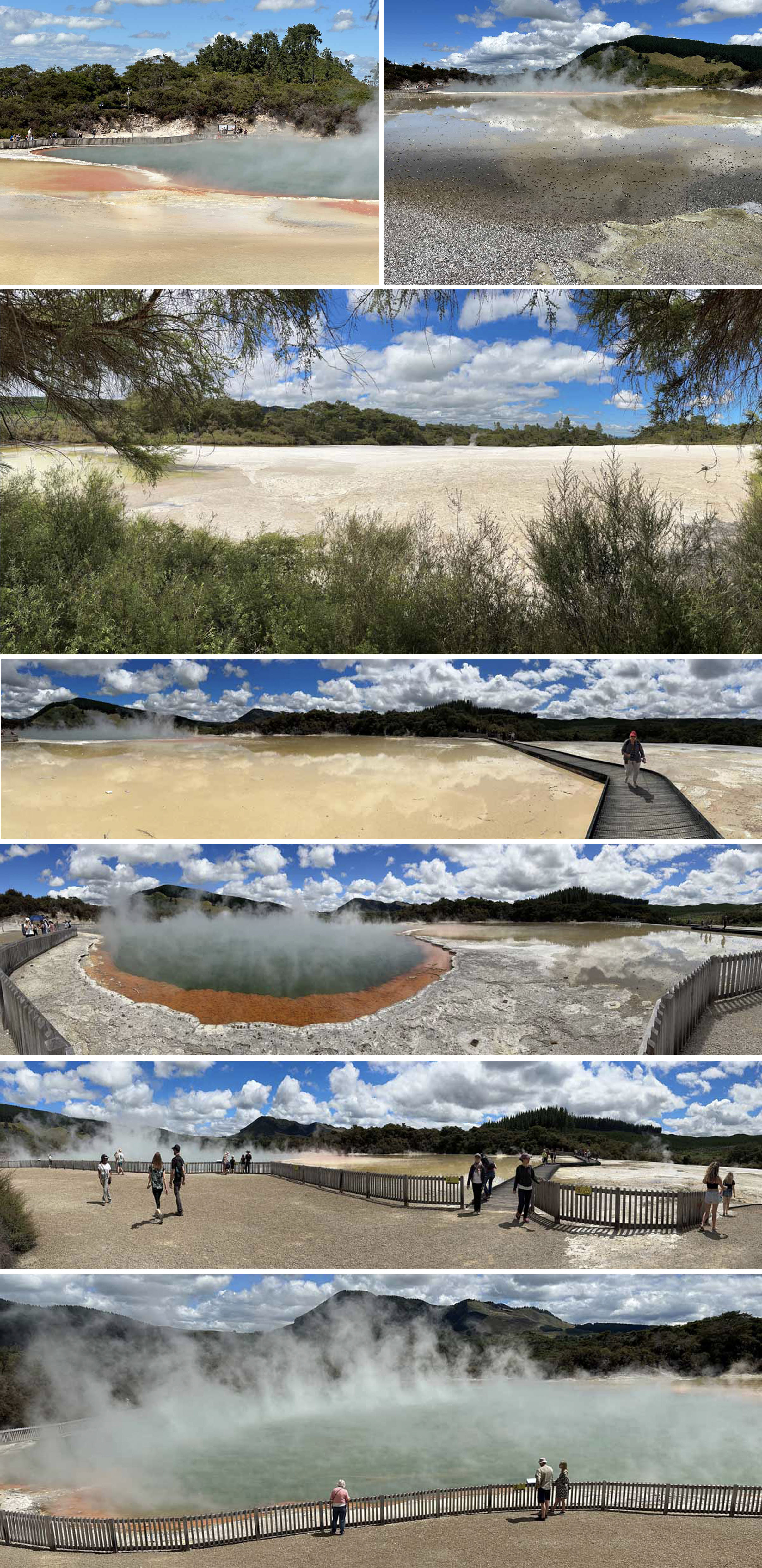
There are many spots where visitors can stop and look across the Artist Palette pool.
Exploration is easy along well marked trails.
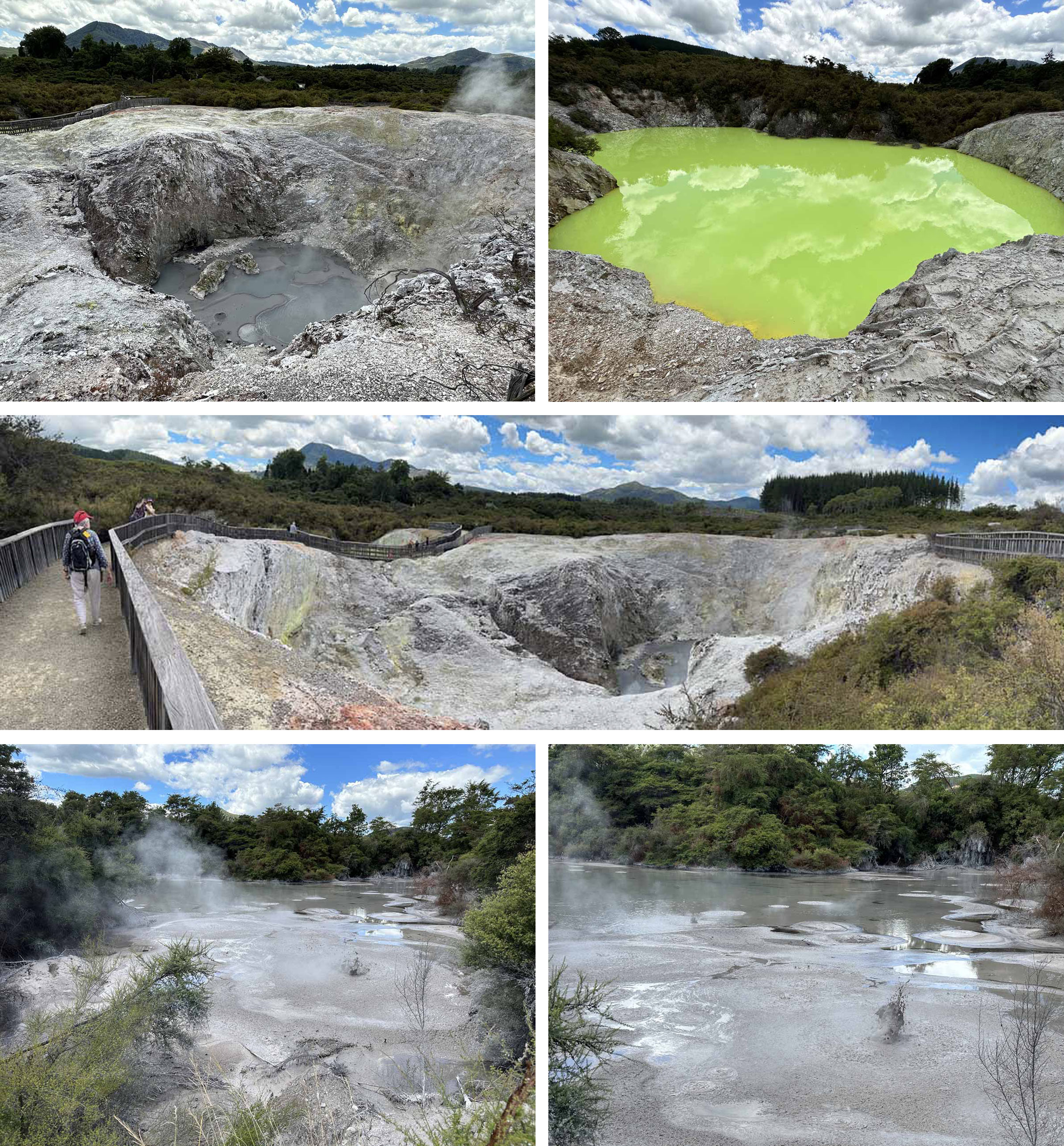
Scalding Mud Pools.
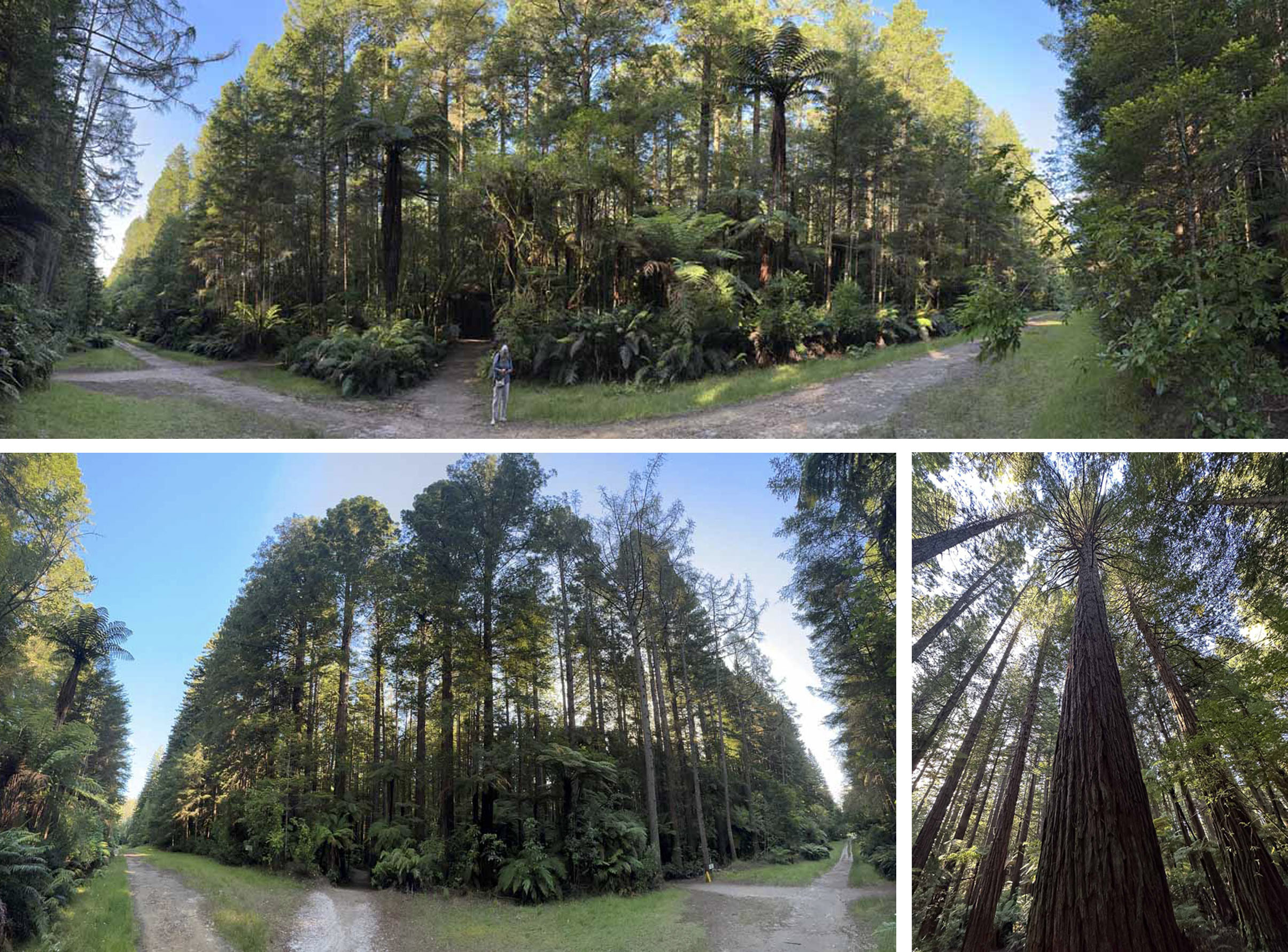
The Redwood Forest area is most impressive and includes a suspended treewalk although we were happy to stay on the forest floor.
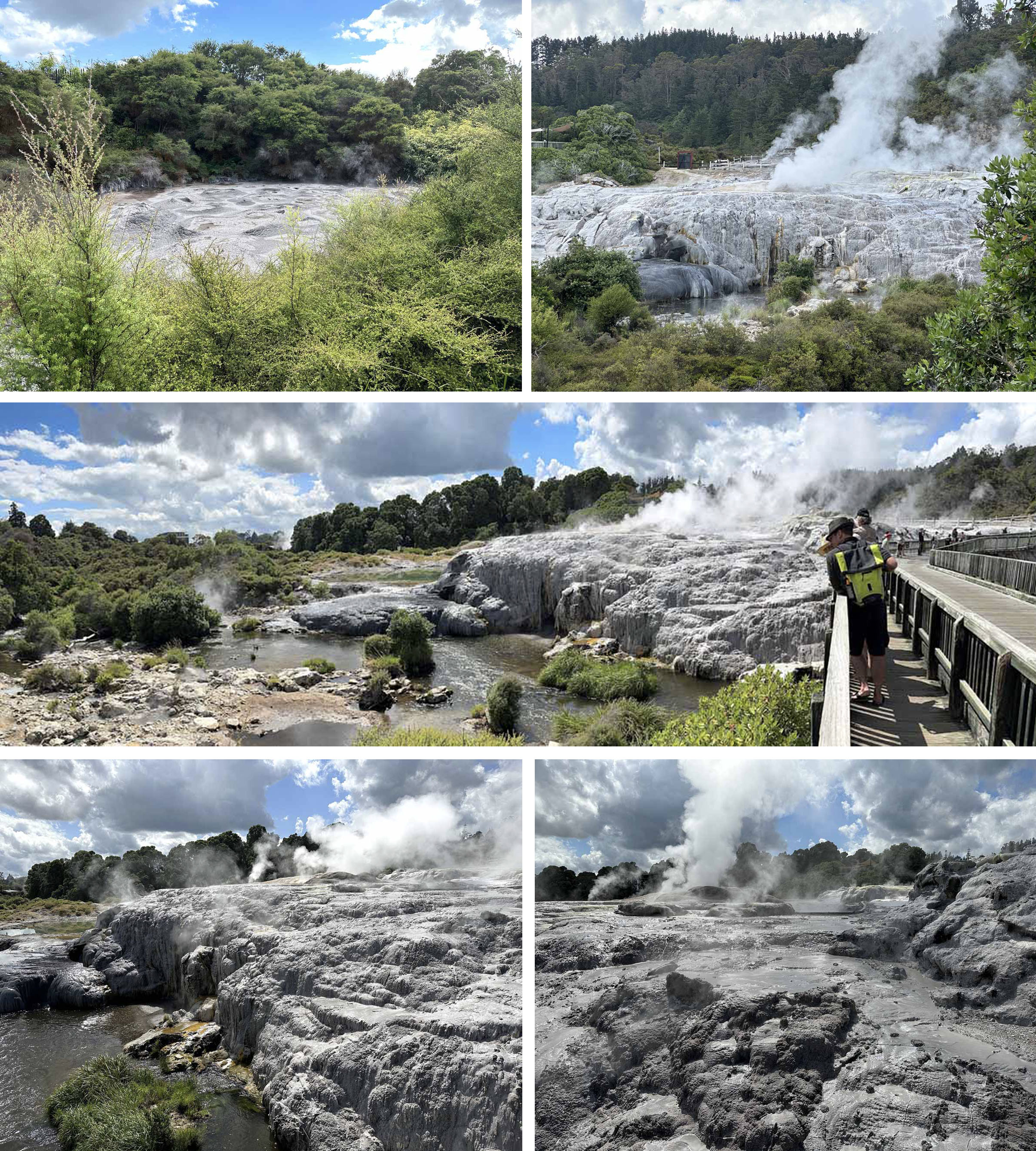
The Whakarewarewa Thermal Reserve was the destination for our third and final visit to a thermal area.
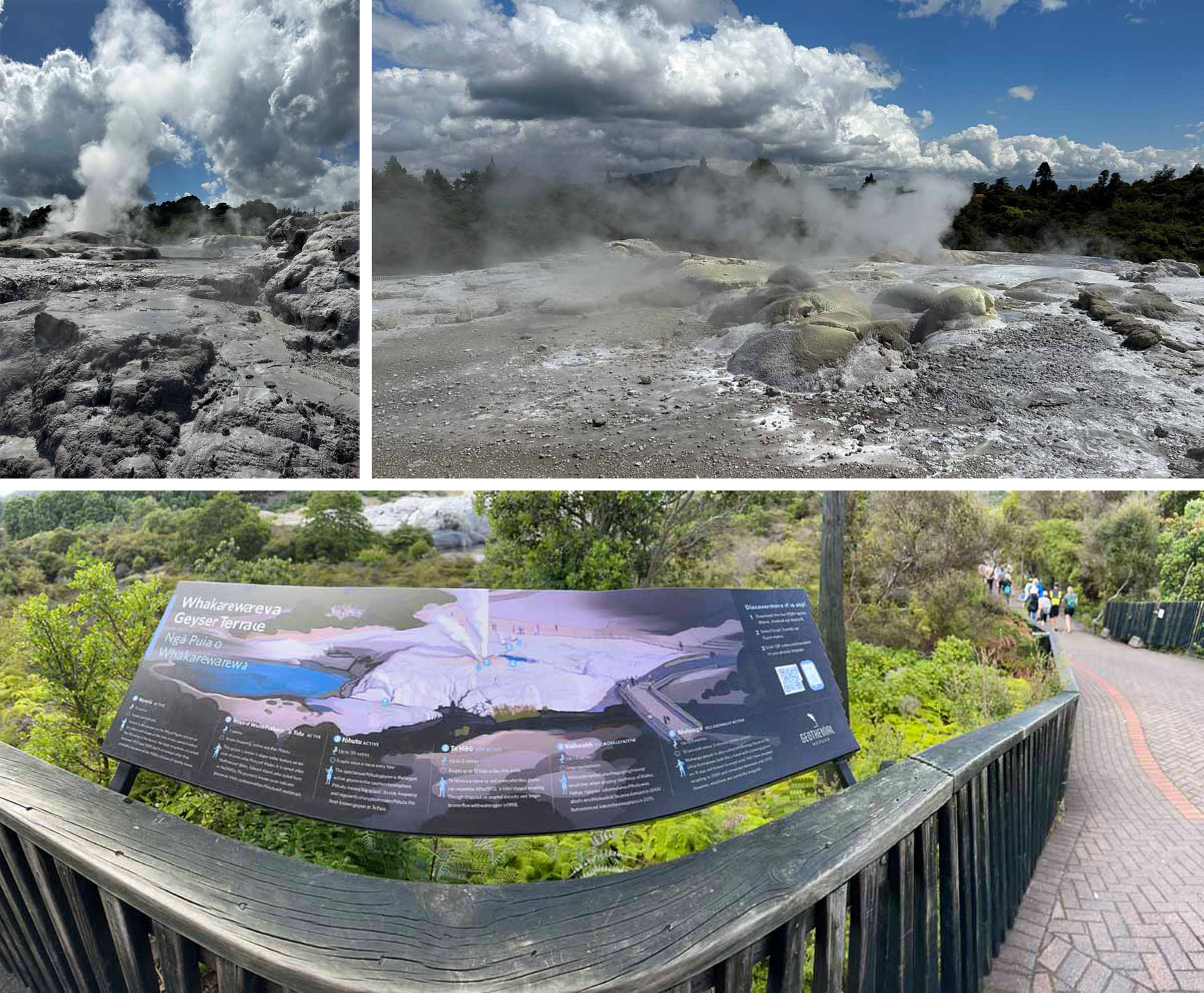
The Geyser Terrace sports a host of geysers.
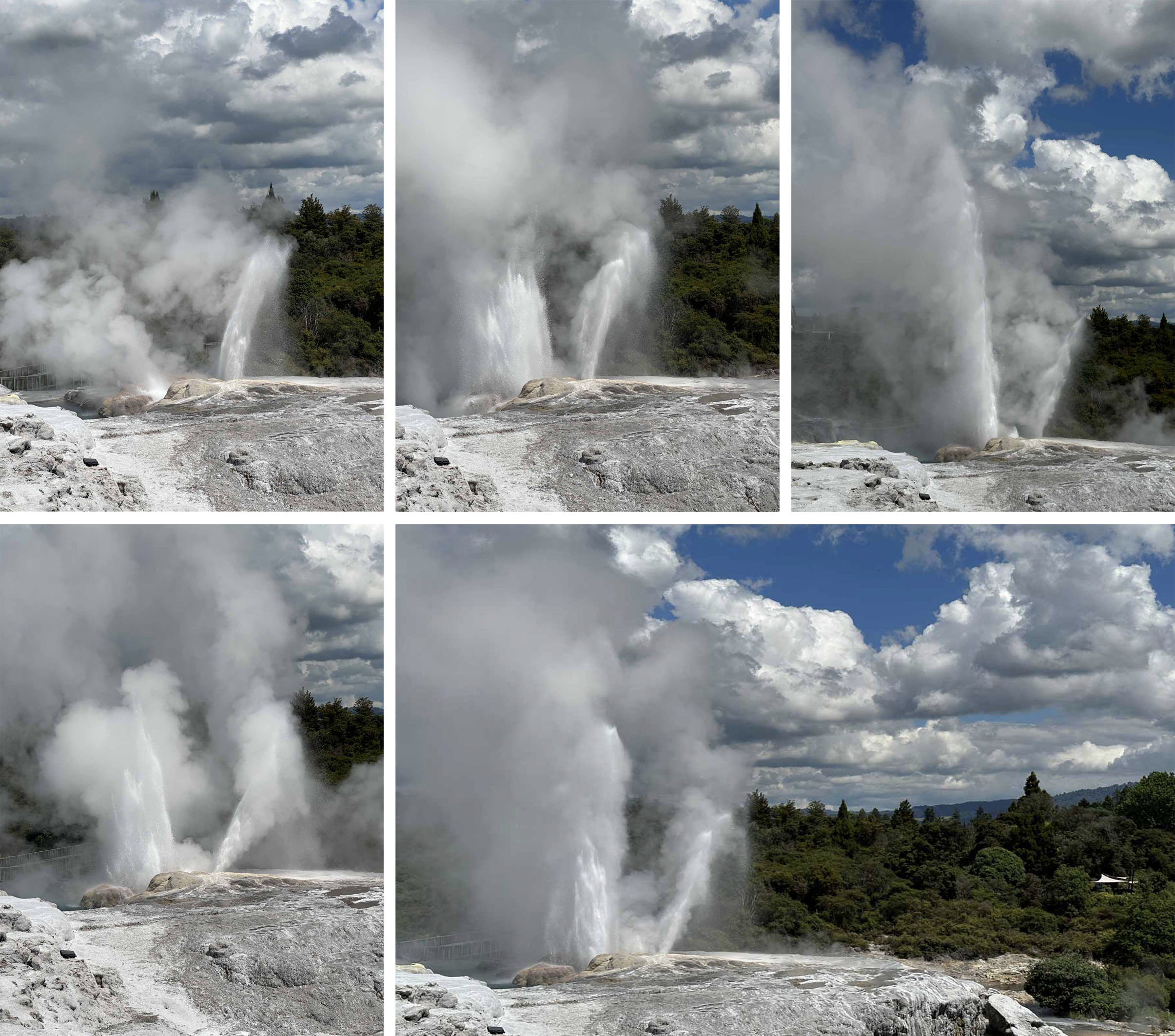
The spectacular Pohutu Geyser is the largest in the southern hemisphere.
Driving south and Levin Jan 17 – 21 2023
After Rotorua we drove south on the North Island to the town of Levin about an hour north of Wellington and where my wife Sharron’s son Stephen lives. From Levin we made day trips to visit other friends of Sharron.
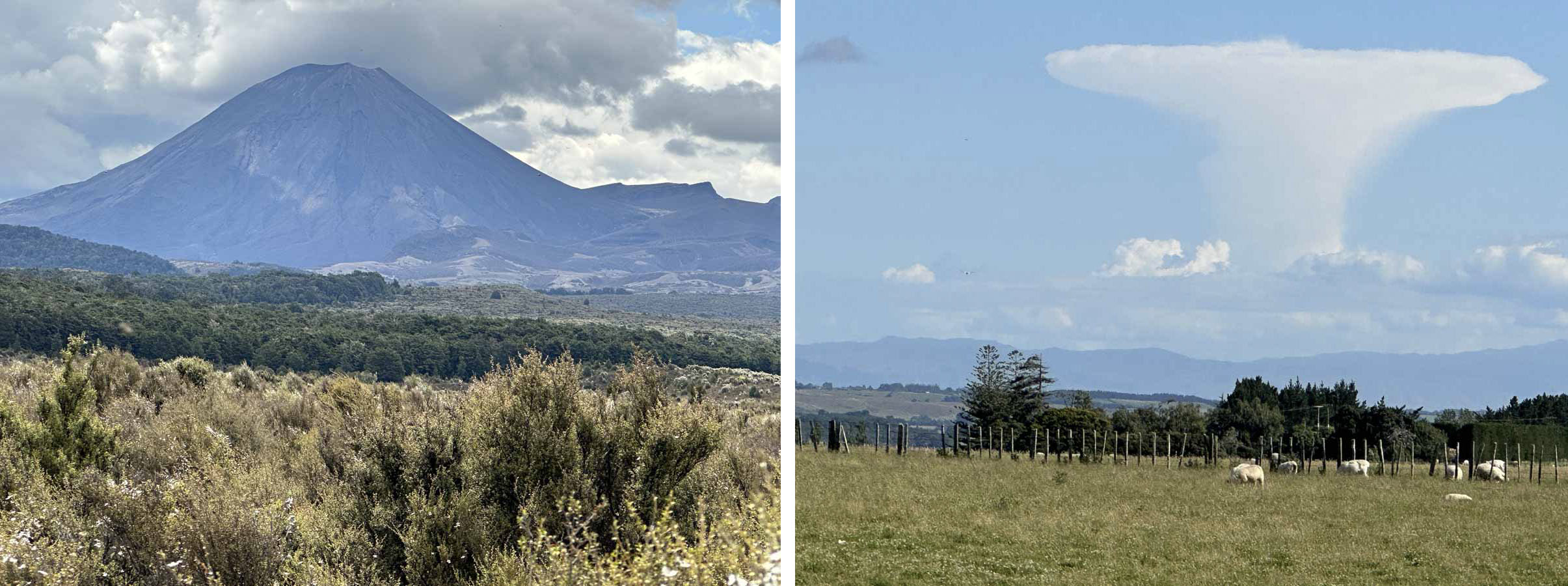
As we drove south, we passed Ngauruhoe (2287m) recognised by Lord of the Rings Movie devotees as Mt Doom, and some interesting cloud formations.
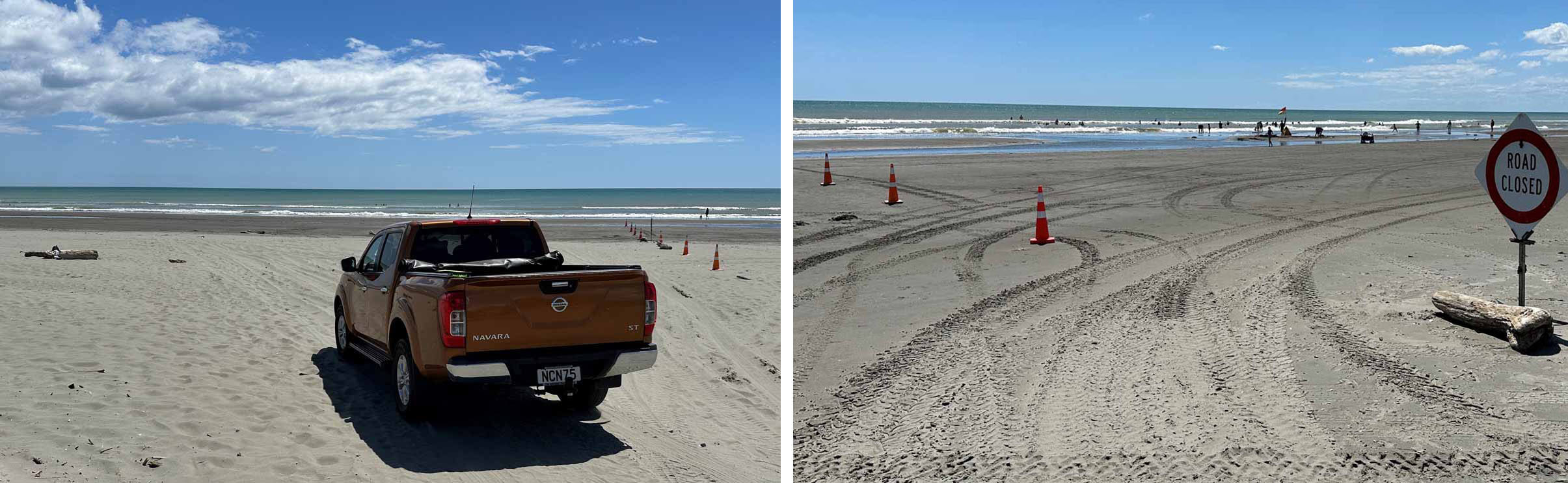
Foxton Beach near Levin is popular with car drivers!
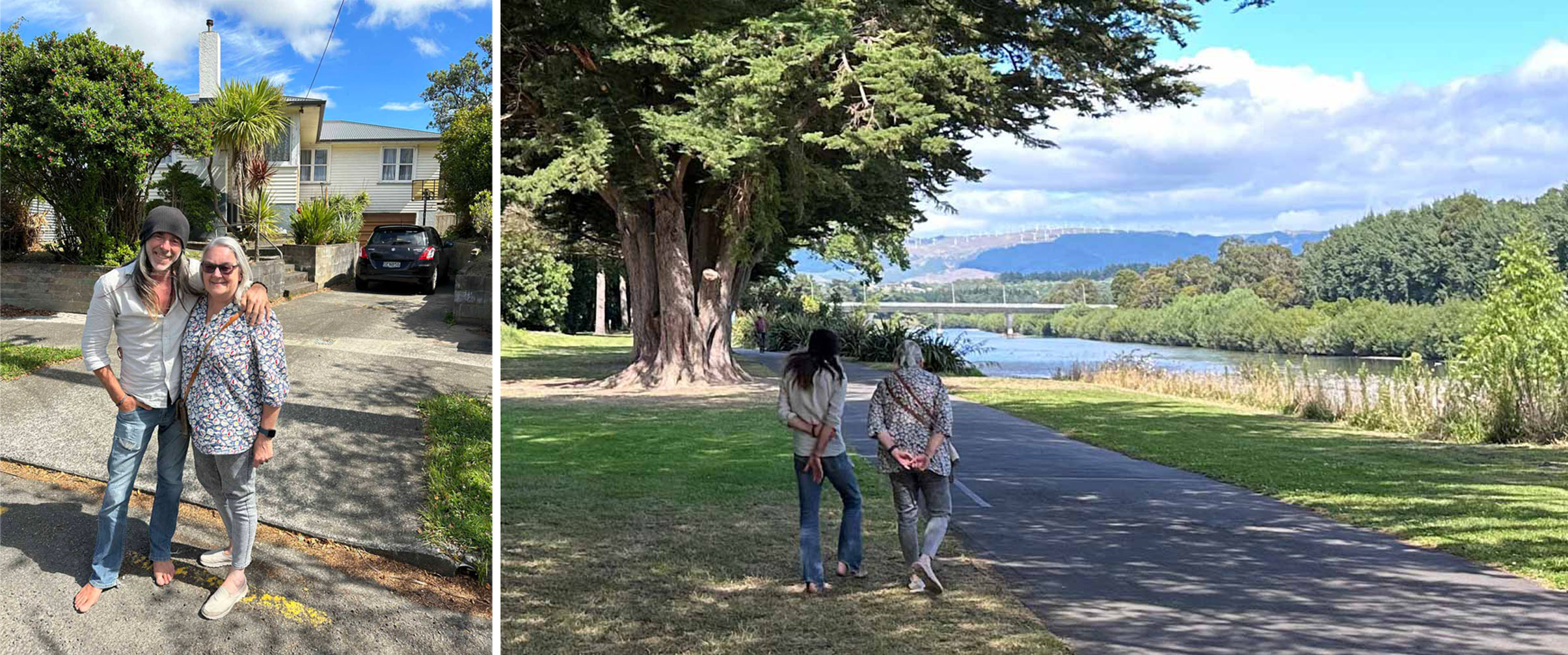
Sharron and her son Stephen in Palmerston North and outside the house where she worked as a Nanny 50 years previously!
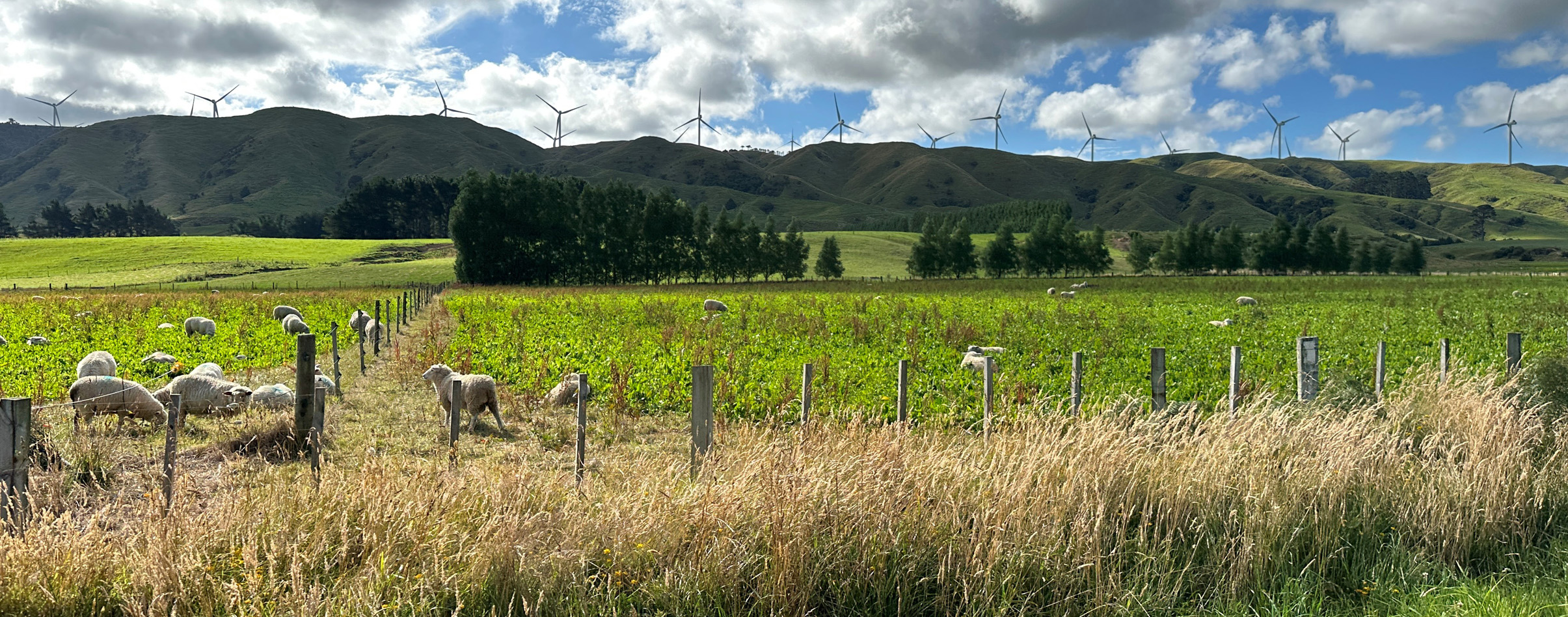
New Zealand is a country that has invested heavily in Wind Power.
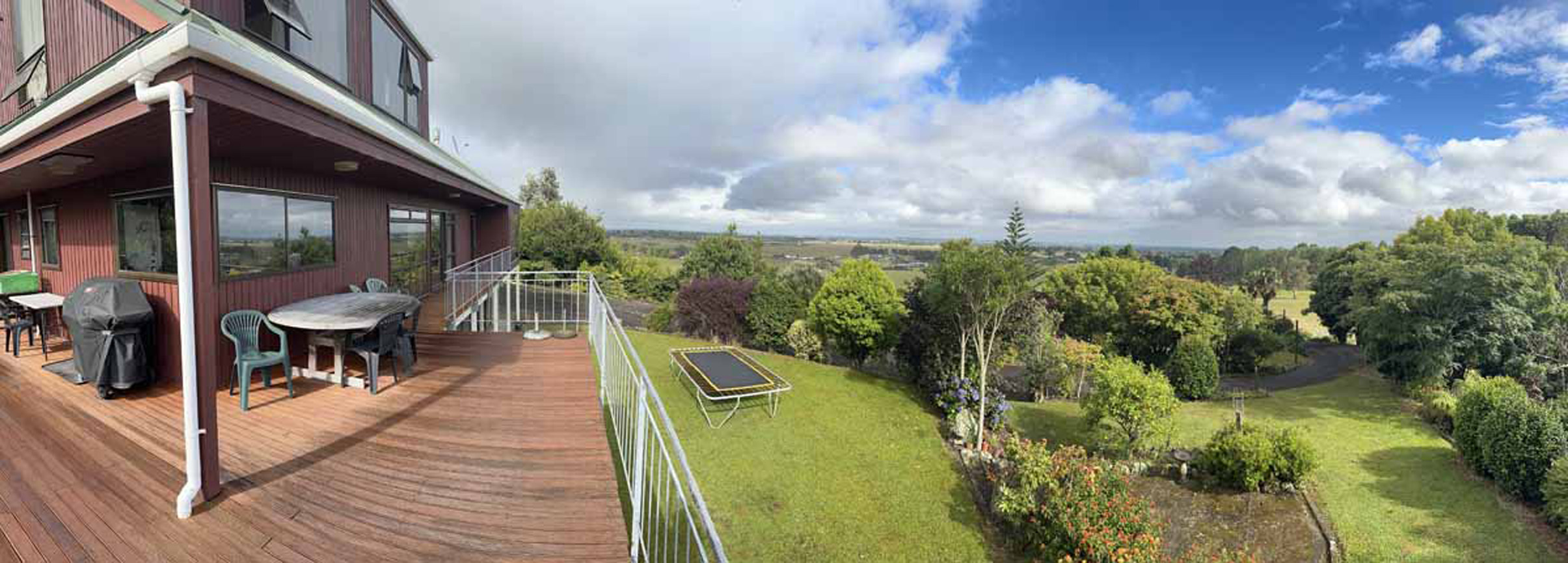
Our base in Levin offered great views over the surrounding countryside.
Crossing the South Island Jan 21 2023
It had been too complicated to try and cross the Cook Strait by ferry and drop off our hire car on the South Island (this is New Zealand!) so we drove to windy Wellington at the southern end of the north Island where we dropped off our hire car. We flew to Queenstown, outdoor activity capital of New Zealand and picked up our second hire car and then drove eastwards across the spine of the South Island to Oamaru on the east coast.
New Zealand is a country with a never-ending variety of attractive landscapes wherever one finds oneself, and the images below reflect what an attractive drive it was from Queenstown to Oamaru.
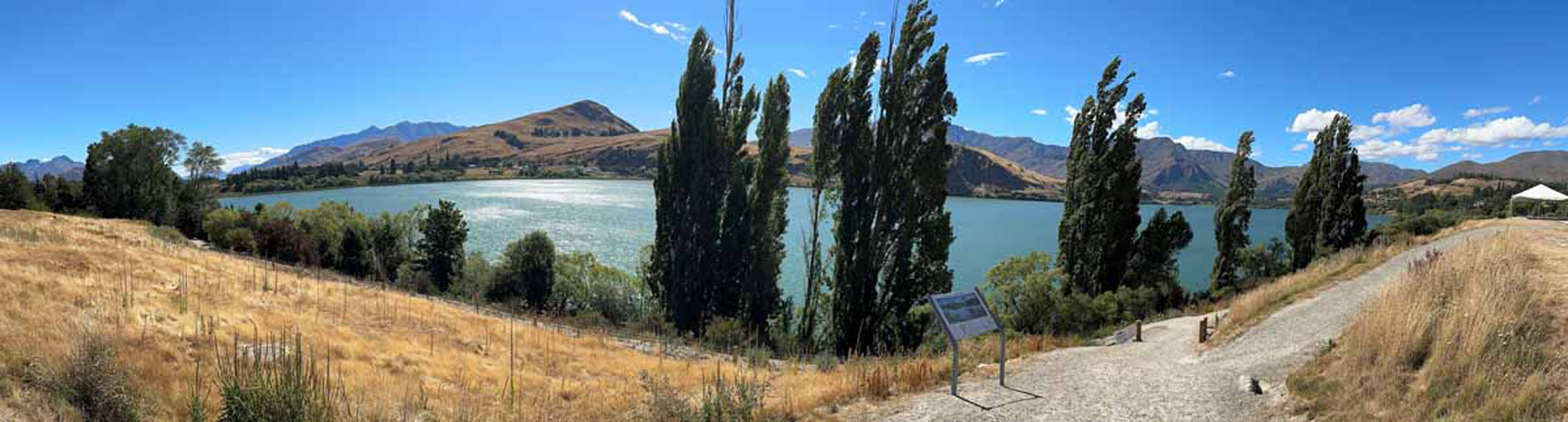
Lake Hayes is found 8 miles east of Queenstown.
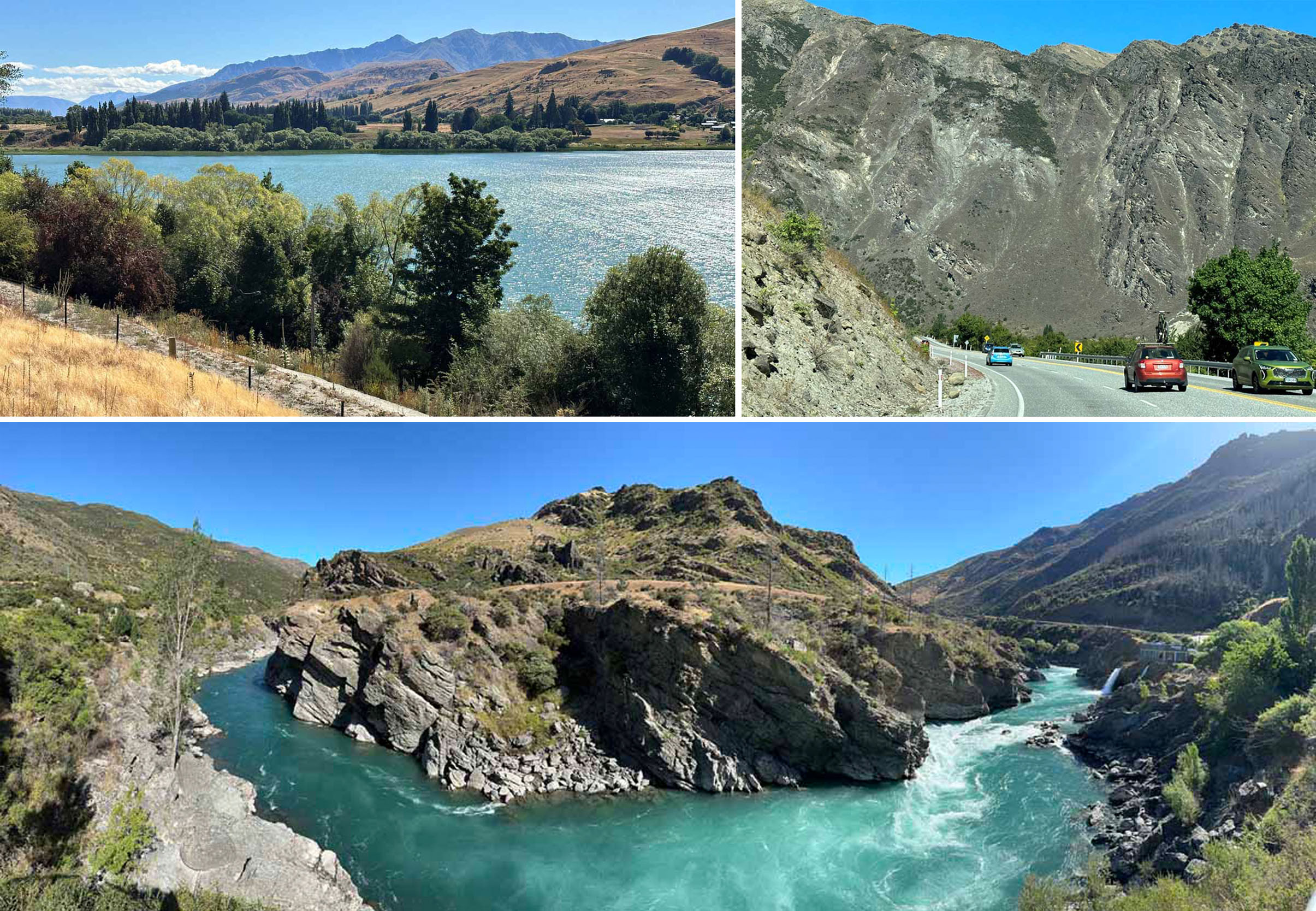
Kawarau Gorge.
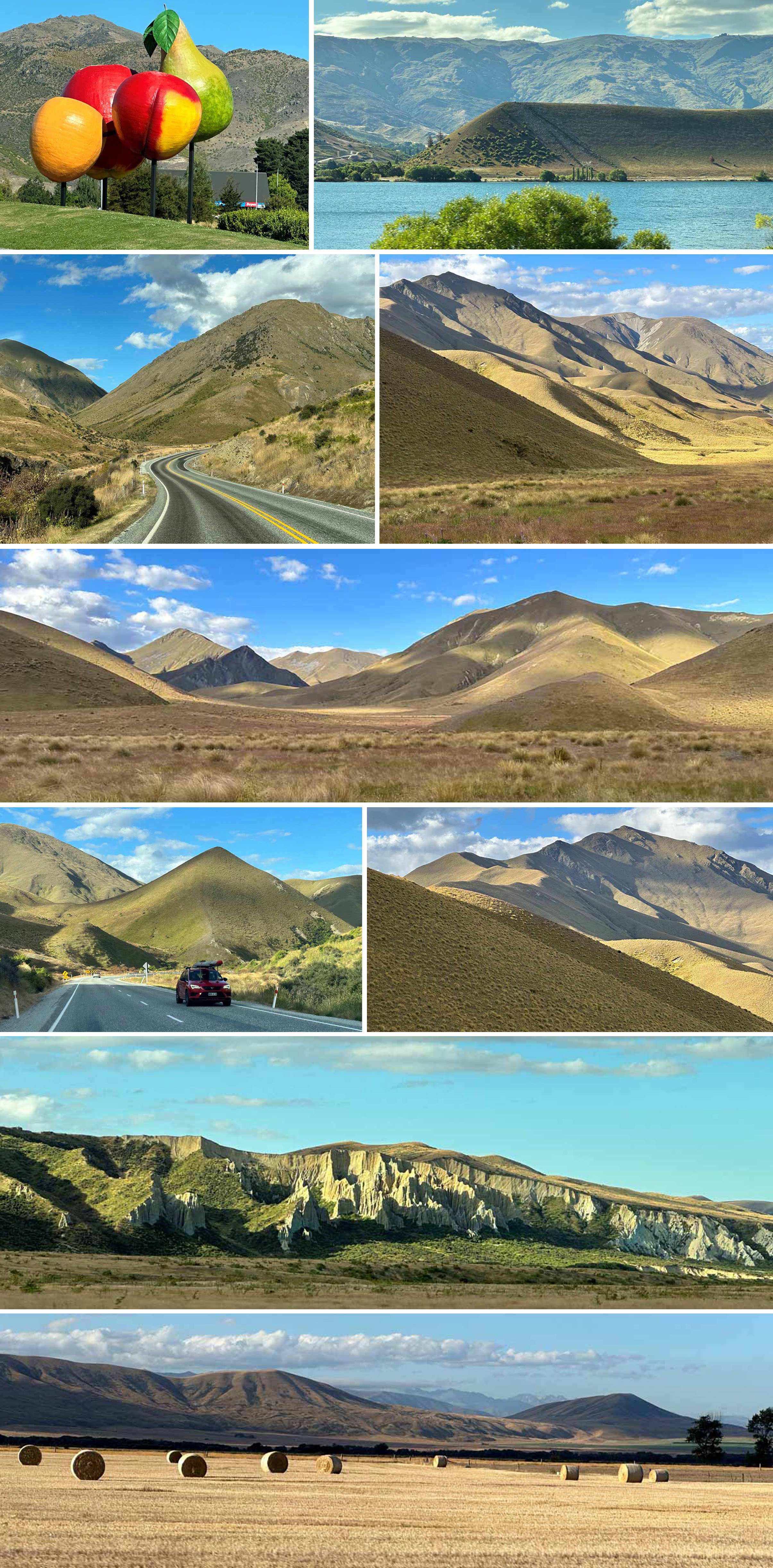
The drive from Queenstown to Oamaru was continually scenically attractive.
Oamaru Jan 22 2024
I had never even heard of Oamaru and certainly did not visit it during my only previous visit to the South Island (50 years previously!). Our only reason for visiting Oamaru was to briefly meet up with a friend of our daughter Sarah who was working there, but in fact I found it was perhaps the most interesting destination of our three week journey around New Zealand.
The town as an absolute treasure trove of magnificent nineteenth century Whitestone architecture and the historic area besides the port area has also been restored into an area of Galleries, Craft shops, Coffee shops and restaurants which is arguably the most atmospheric and interesting urban area in New Zealand.
When one also includes the miniature Steam Railway, Seals and Penguins at the Bushy Beach Scenic Reserve and the bizarre and futuristic Steampunk Museum there is no doubt Oamaru offers something for everyone and not just lovers of fine architecture.
I certainly hope to return and certainly for more than just a single day’s visit next time.

The Opera House and former Post Office were both designed by architect C J Forrester.
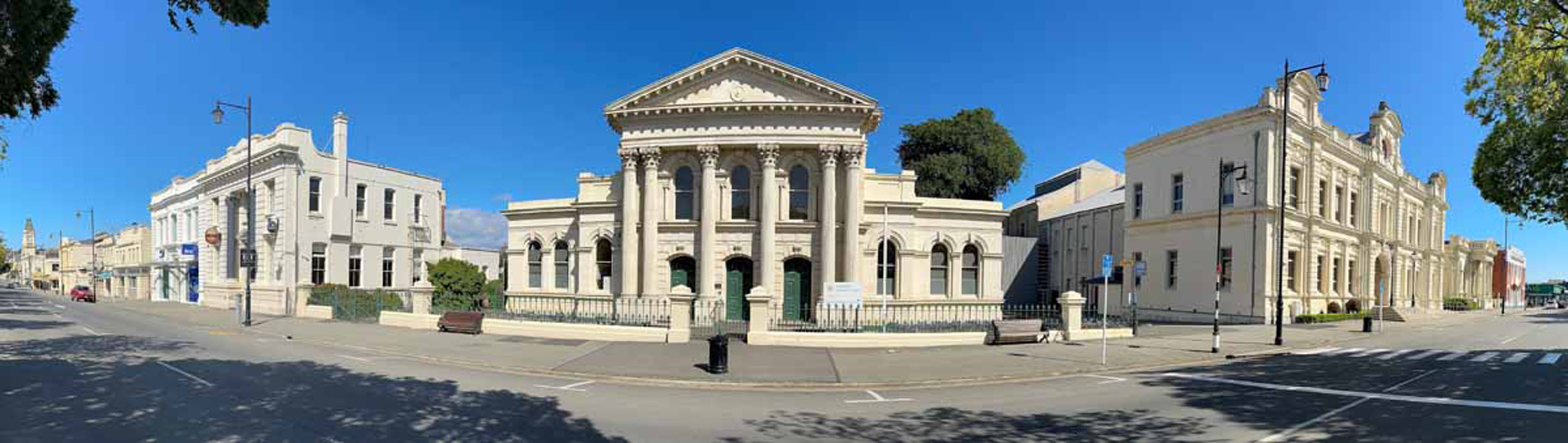
The Oamaru Court House dates from 1882 – 1883 and the well proportioned classical design reflects the influence of Palladian architecture.
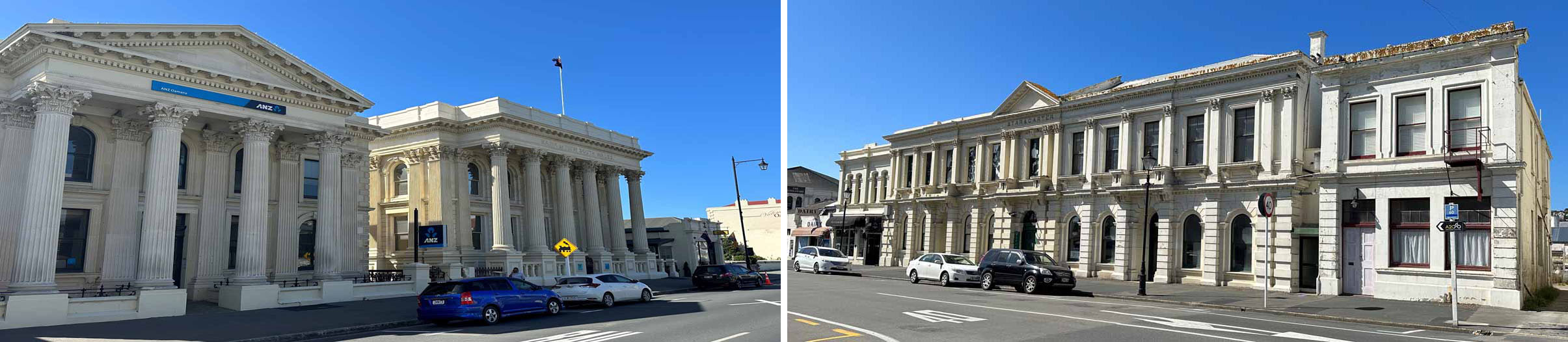
The imposing ANZ Bank and Forrester Gallery (formerly Bank of NSW) are both adorned with Corinthian columns.
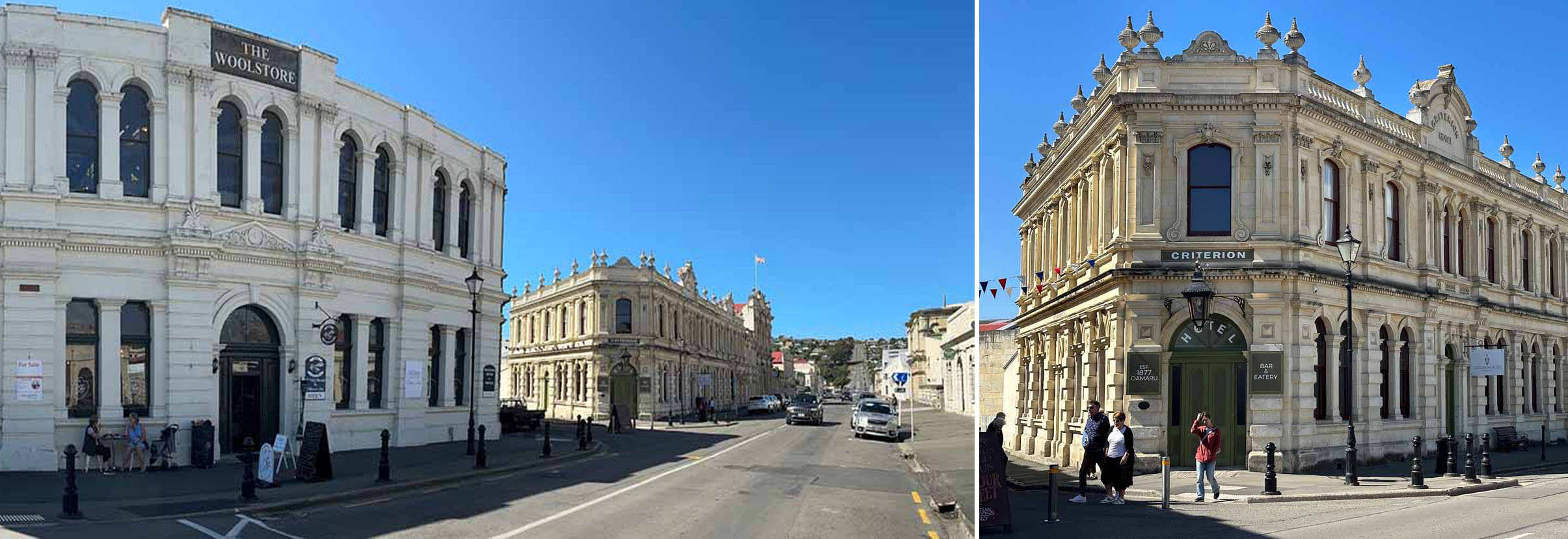
The Criterian Hotel dates from 1877 and was designed by C J Forrester in a Victorian Italianate style.
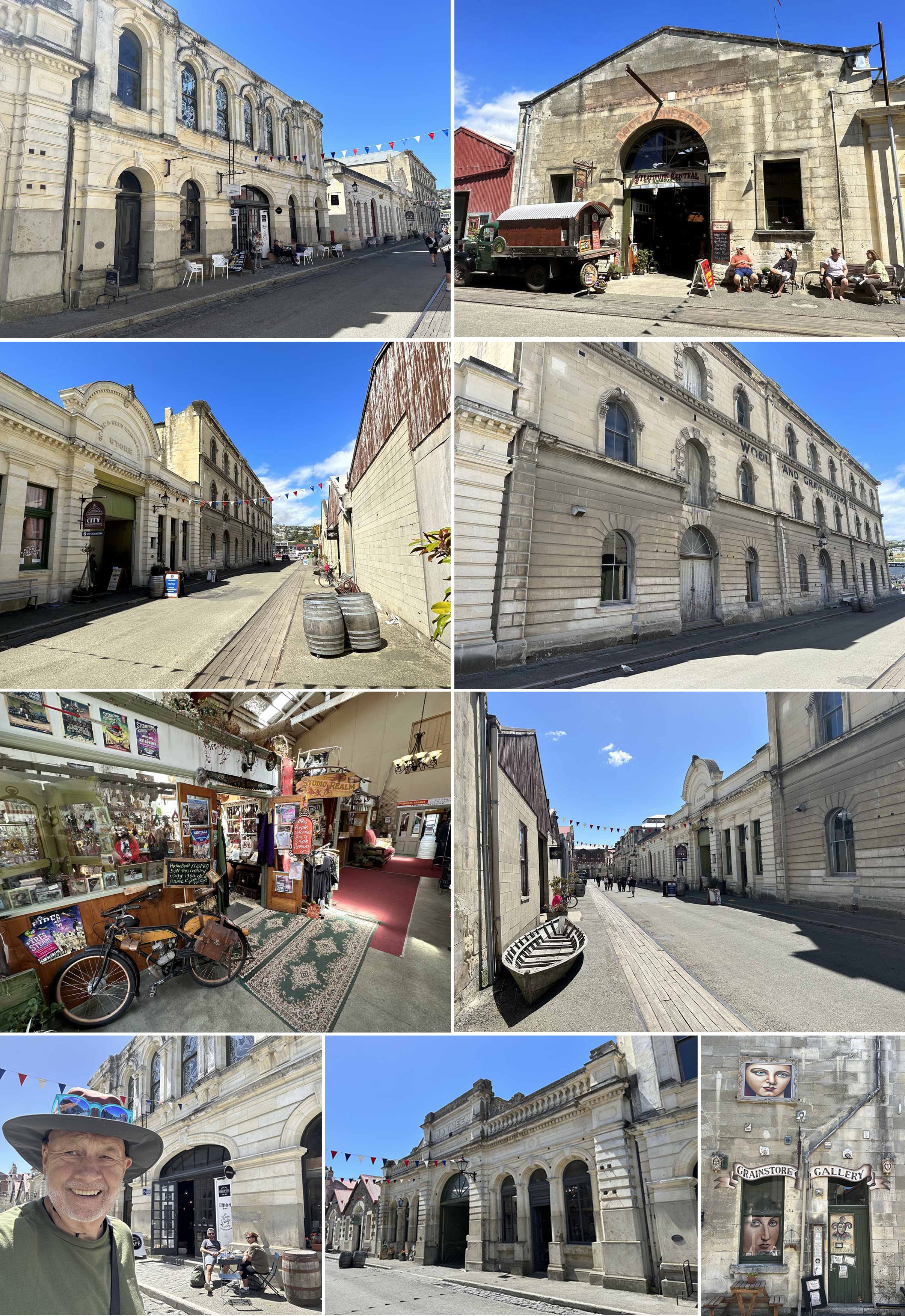
The historic Port area of Oamaru has been transformed into a vibrant area of Galleries, Markets, Craft and Coffee Shops.
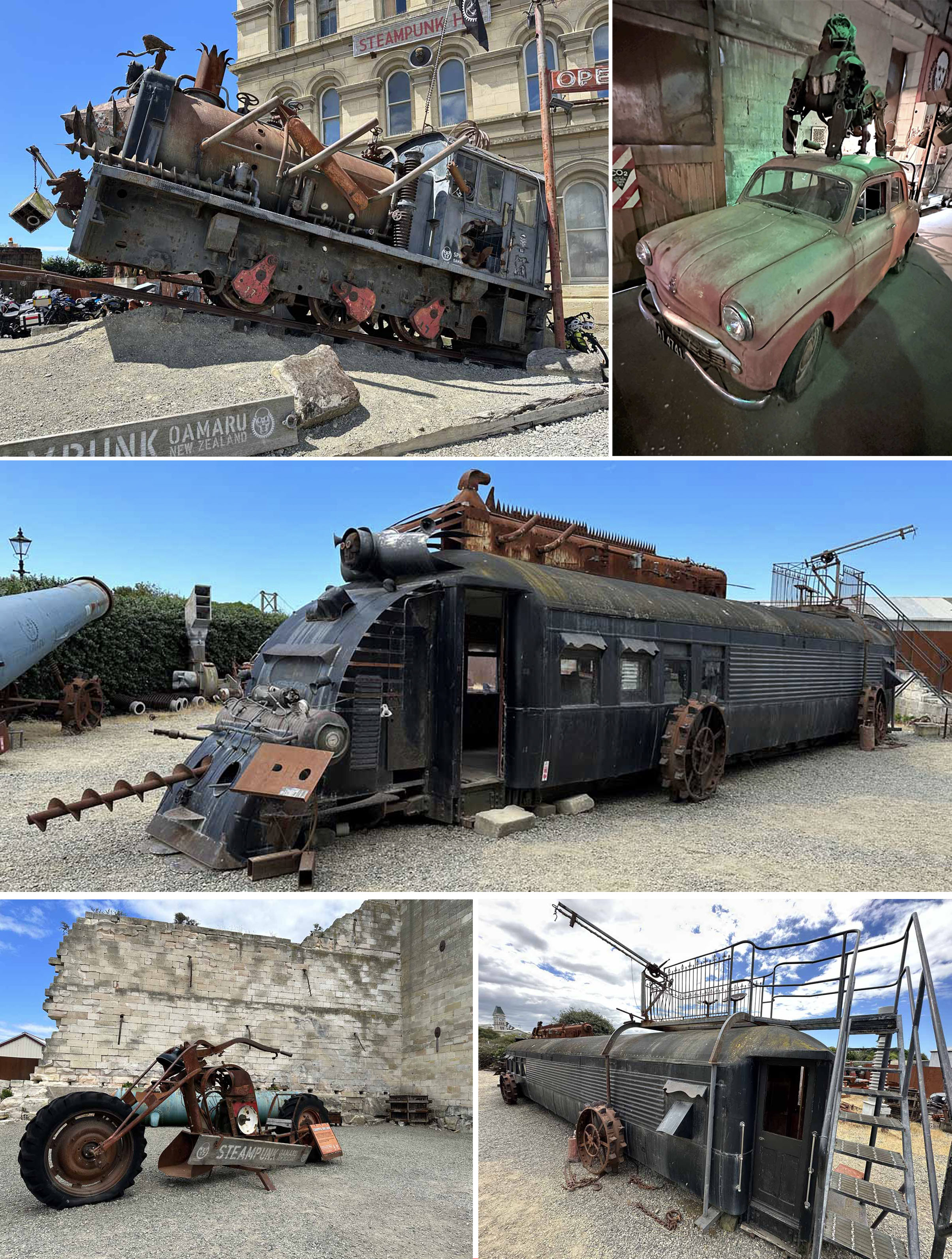
The eclectic collection of futuristic and fantasy sculptures in the Steampunk Museum is akin to walking on to a Mad Max movie set!
Christchurch and the Banks Peninsula Jan 23 – 25 2023
Christchurch is the largest city on the South Island with a population of just 400,000 and is the second largest city in New Zealand after Auckland! It has long had a reputation for being an ‘English’ and/or ‘Garden’ city because of similarities with English architecture and Garden Cities as well as a close cultural connection with the ‘Mother Country’. In February 2011 much of the City was severely damaged and 185 people lost their lives when a devastating earthquake hit the city, parts of which are still being rebuilt.
It was good to meet up with another former Casterbridge (Chief) guide, David Hodgson, who we had not seen for over 35 years. As well as being one of the world’s great Anglophiles David, now a retired teacher, still retained his guiding skills and took us on an excellent tour of the nearby volcanic Banks Peninsula.
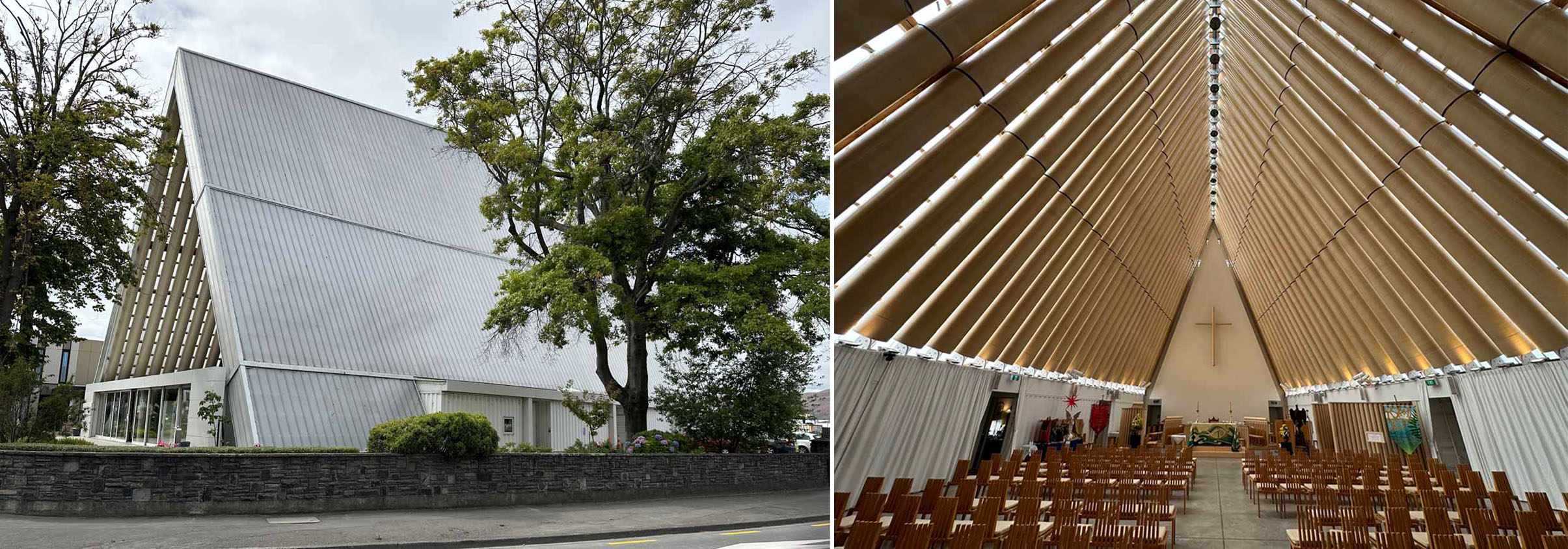
The Cardboard Cathedral is a short-term solution after the destruction of Christchurch Cathedral in the 2011 Earthquake. It has a 50 year lifespan and is constructed out of 98 x 120kg cardboard tubes reinforced with timber and concrete for extra stability.
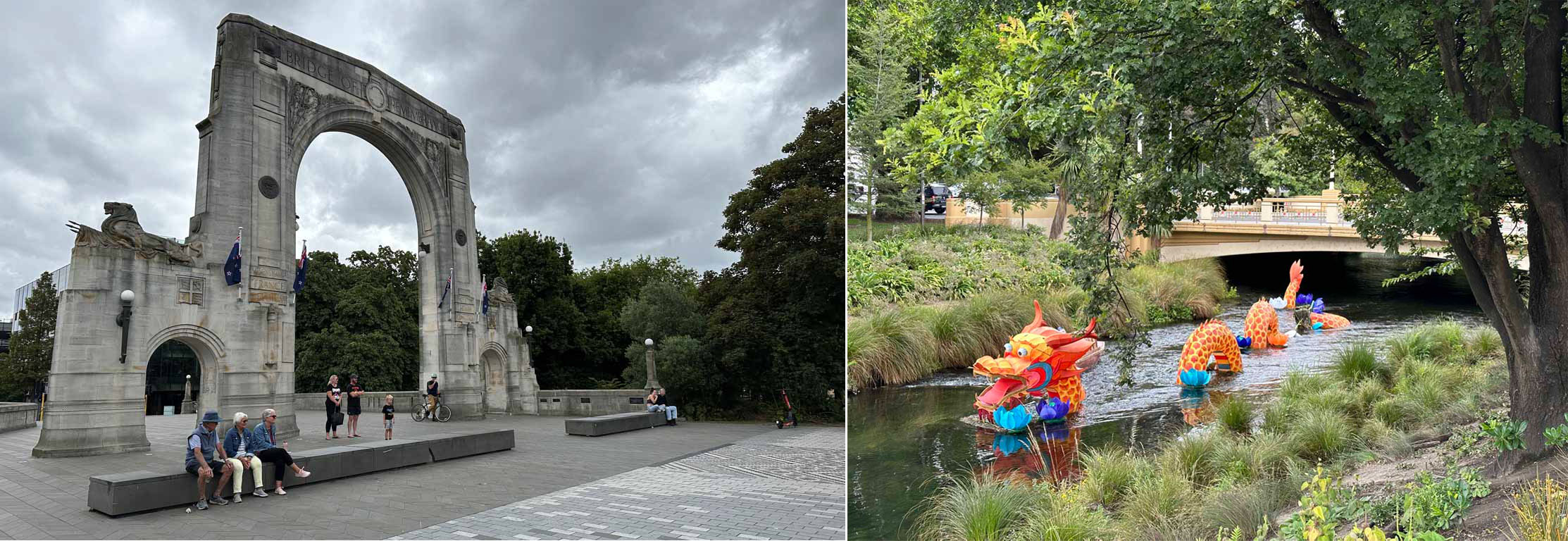
The Bridge of Remembrance War Memorial incorporates a triumphal arch and spans the Avon River.
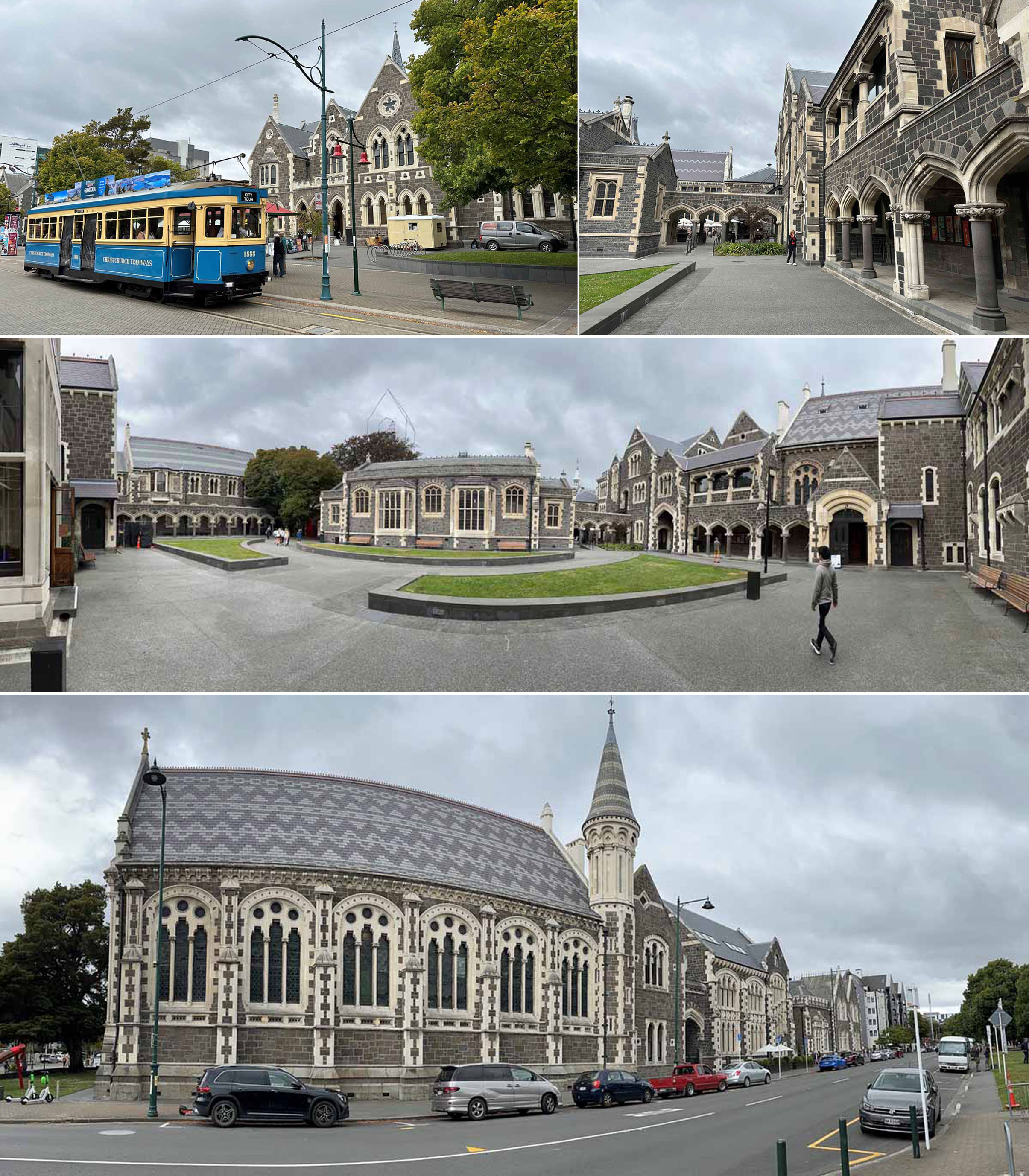
The Arts Centre is a complex of 23 heritage buildings with shops, restaurants, art spaces and hosts cultural events.
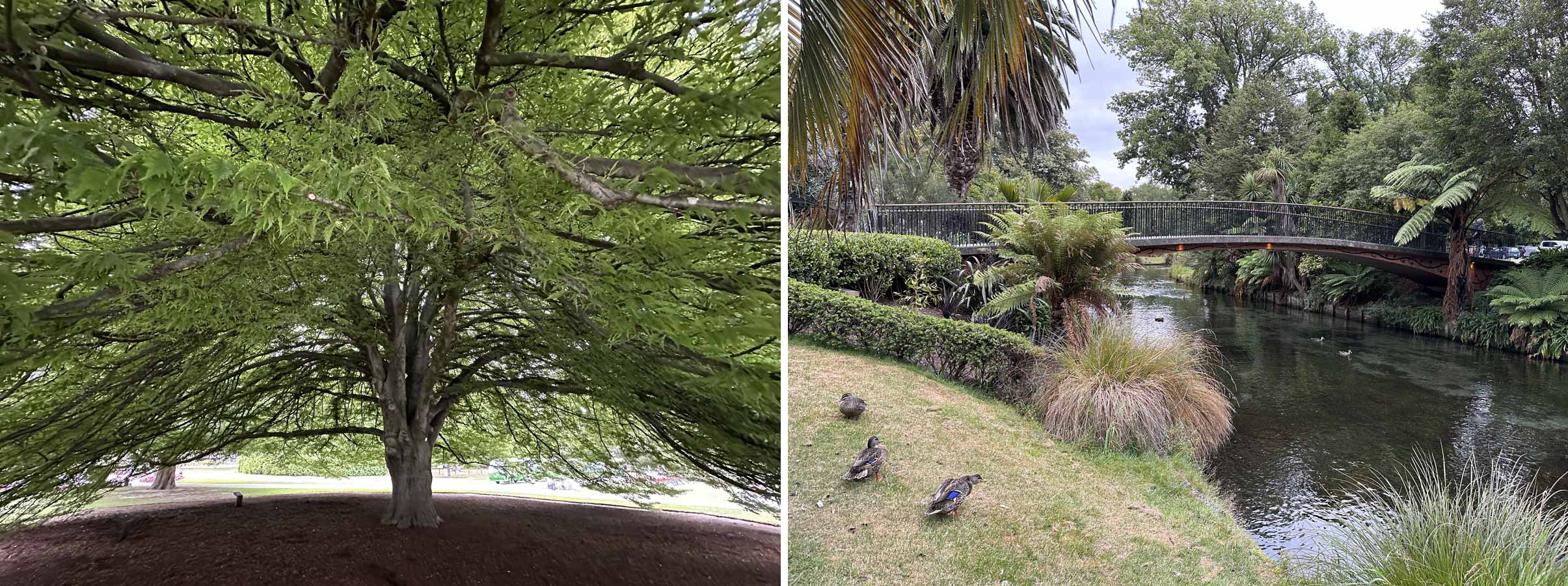
The Botanical Gardens comprise 21 hectares of pristine nature in the centre of Christchurch.
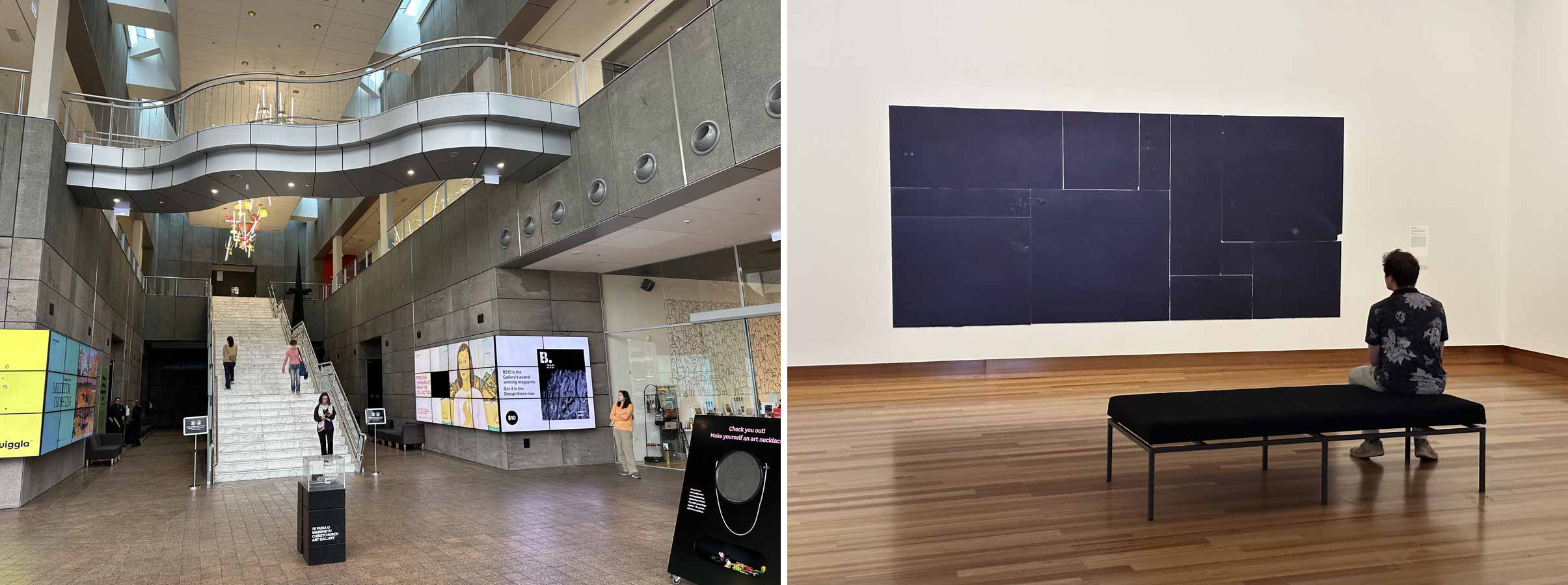
The Christchurch Art Gallery is the biggest art institution on New Zealand’s South Island.
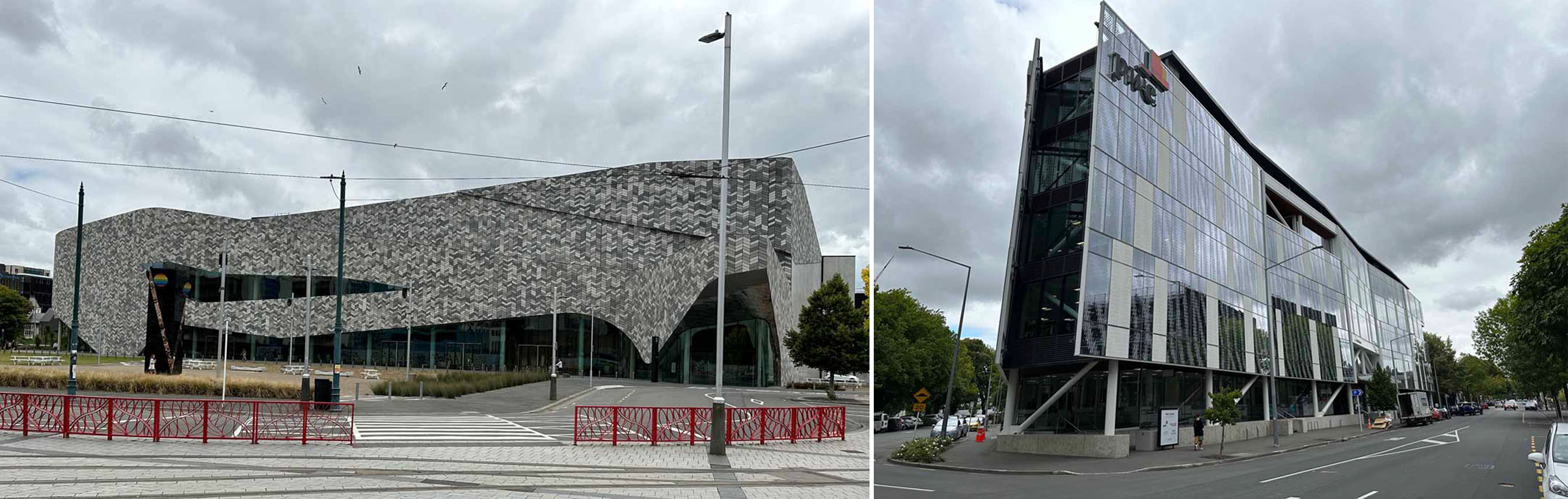
As the city rebuilds after the devastating 2011 earthquake some stunning new architecture is being added to the cityscape.
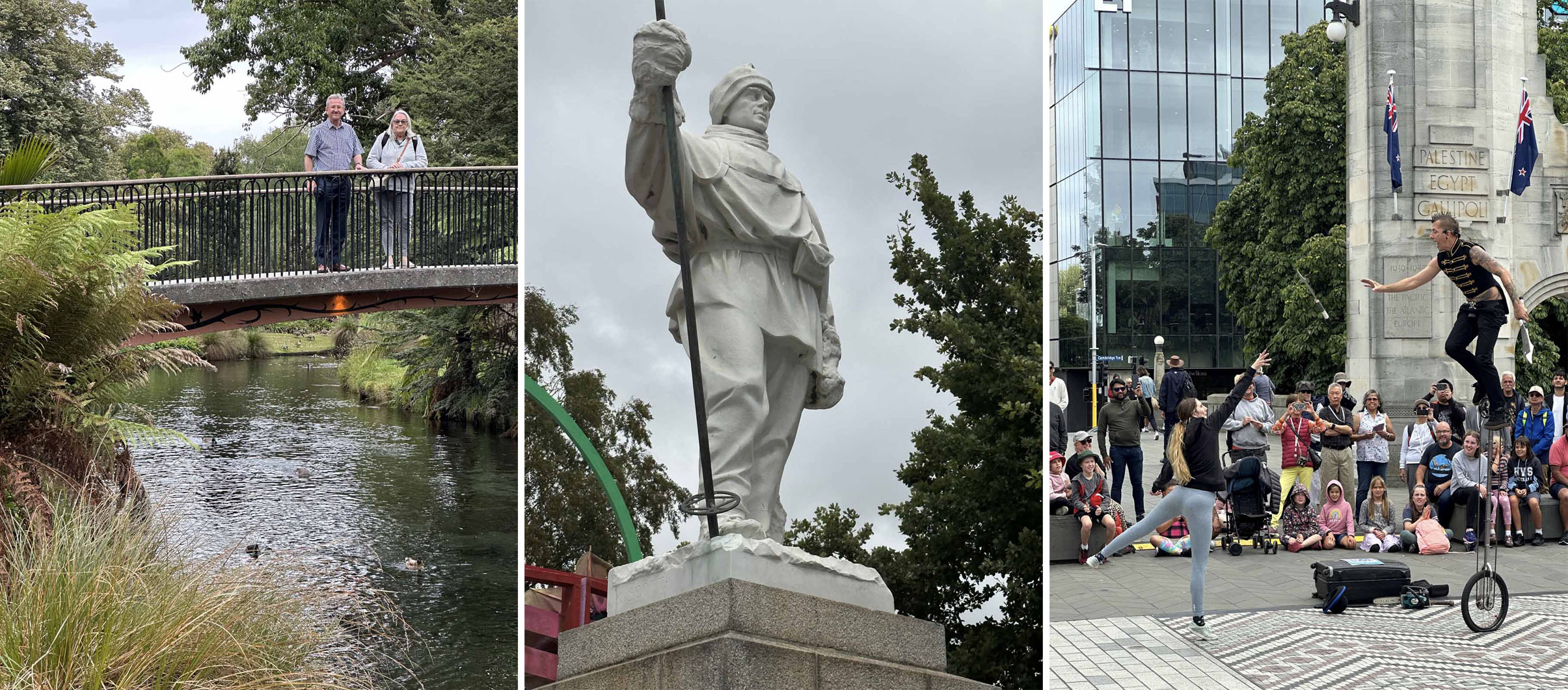
Christchurch offered a peaceful stroll along the Avon, a statue to an iconic Antarctic explorer (Robert Falcon Scott) and the world busking championships all in close proximity.
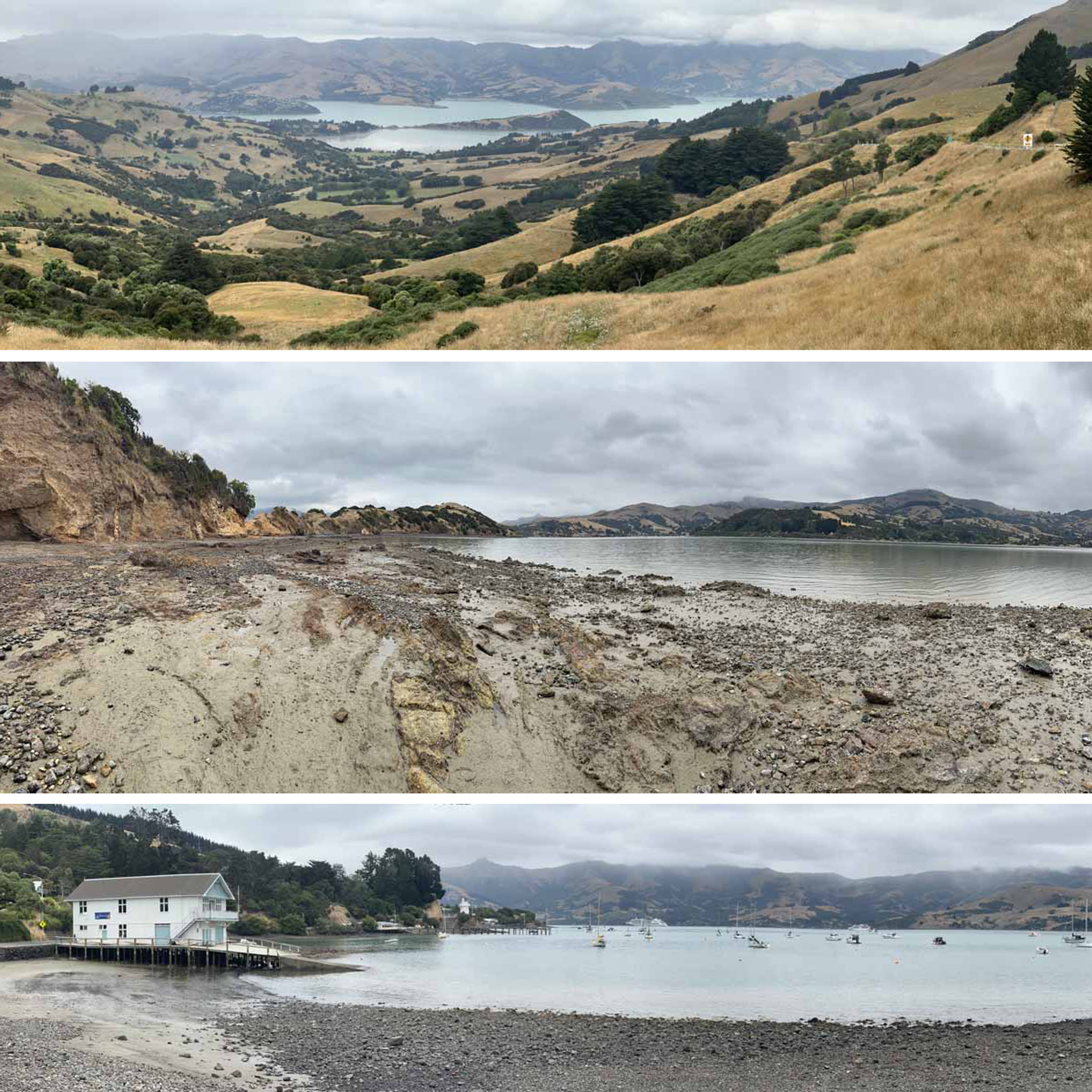
Even on an overcast day the Banks Peninsula offered some memorable landscapes.
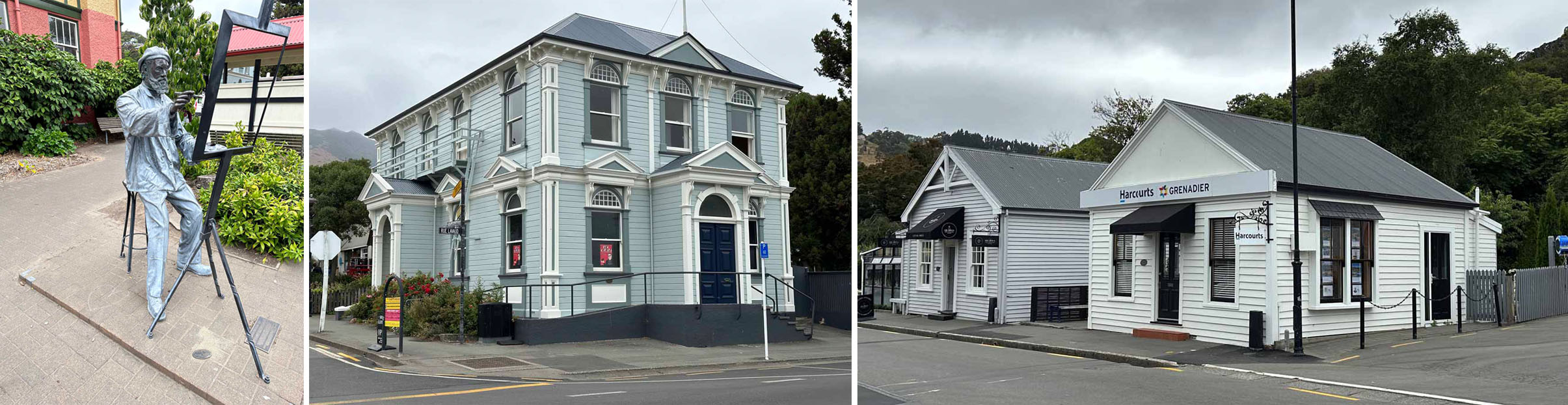
Akaroa is a historic and picturesque town on the Banks Peninsula that the earliest European settlers used as a whaling base.
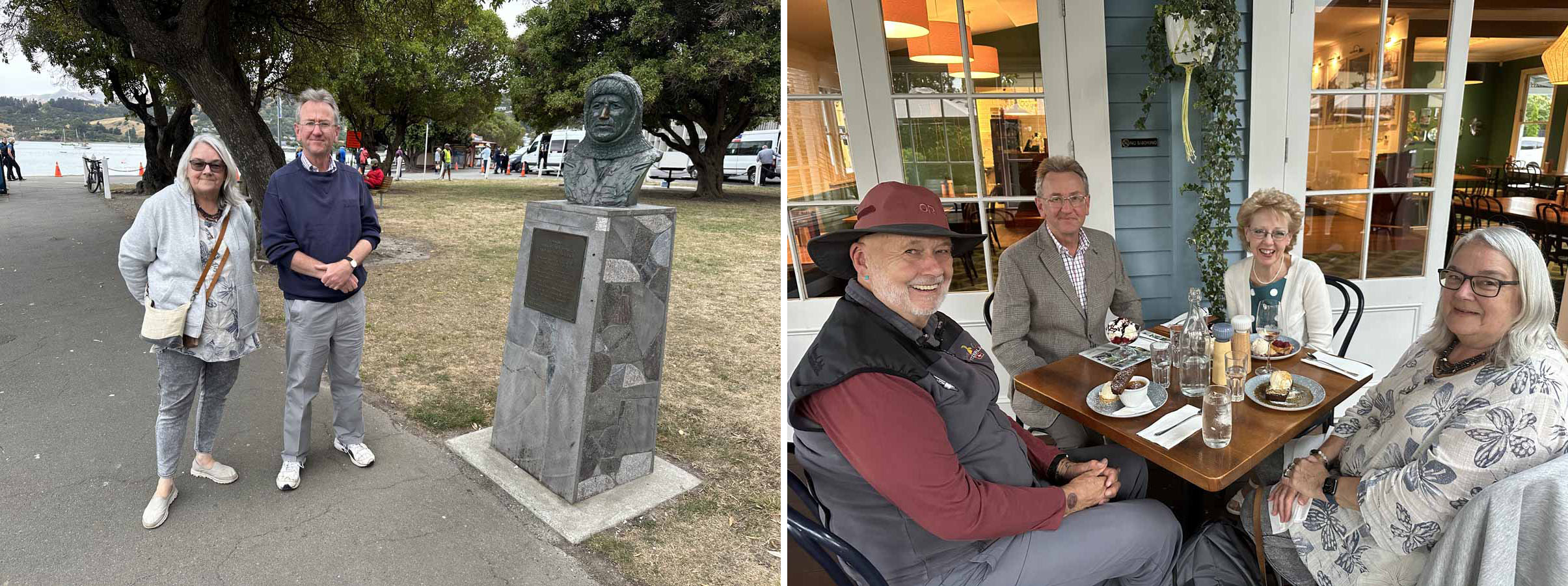
David Hodgson reprised his 1980s UK Tour guiding skills to show us Christchurch and the Banks Peninsula.
Westwards to Hokitika Jan 25 2023
We recrossed the South Island to reach the West Coast at Hokitika and our journey was accompanied by a never ending variety of impressive landscapes.

Hokitika and the West Coast Jan 25 – 26 2023
The West coast is famed for the spectacular scenery around the Fox and Franz Josef glaciers and an abundance of rainfall! We enjoyed Hokitika and thereafter the views were largely obscured by cloud and rain!
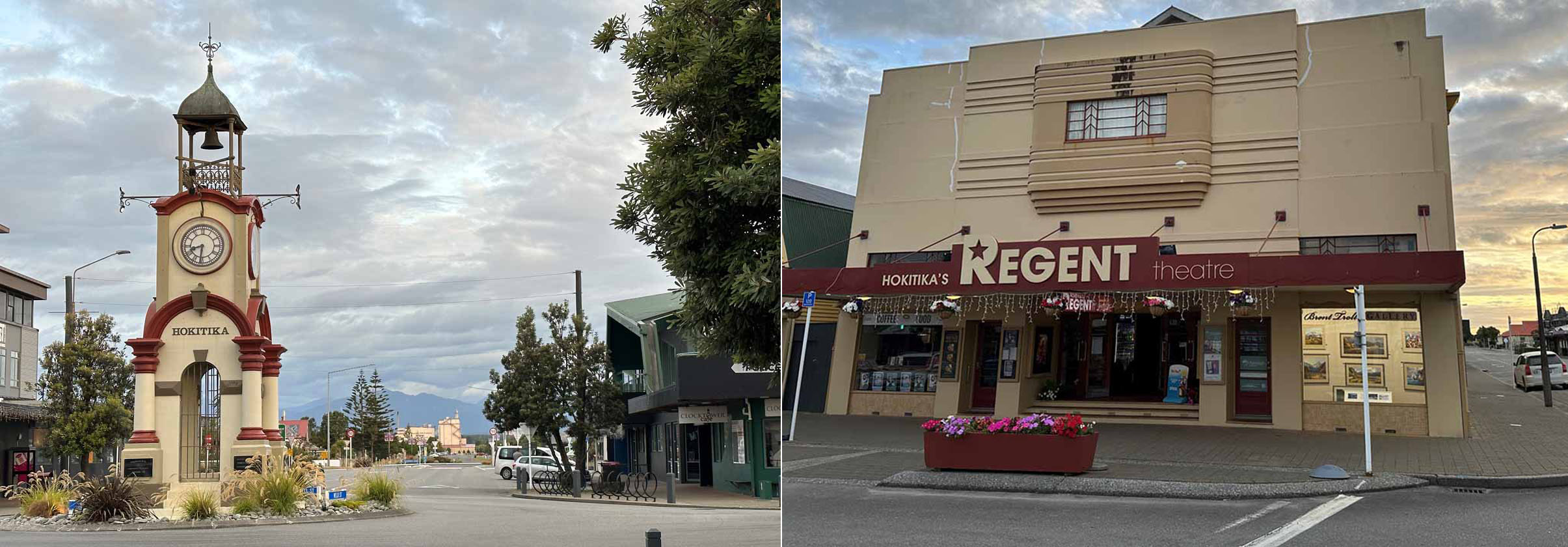
We discovered a magnificent Art Deco cinema in Hokitika.
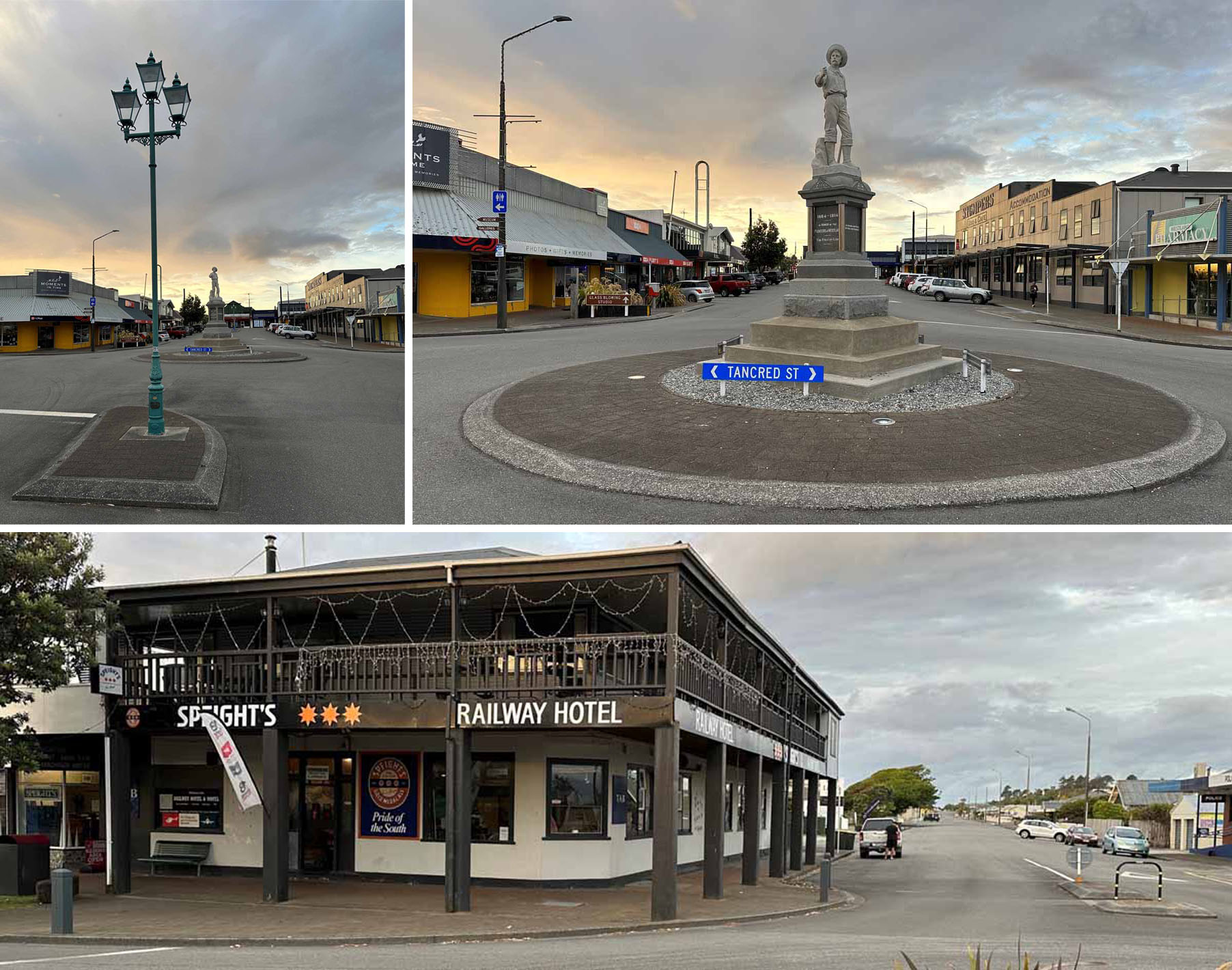
Hokitika is a former gold mining centre with a busy harbour that looks as if it belongs in an earlier era.

The Hokitika River.
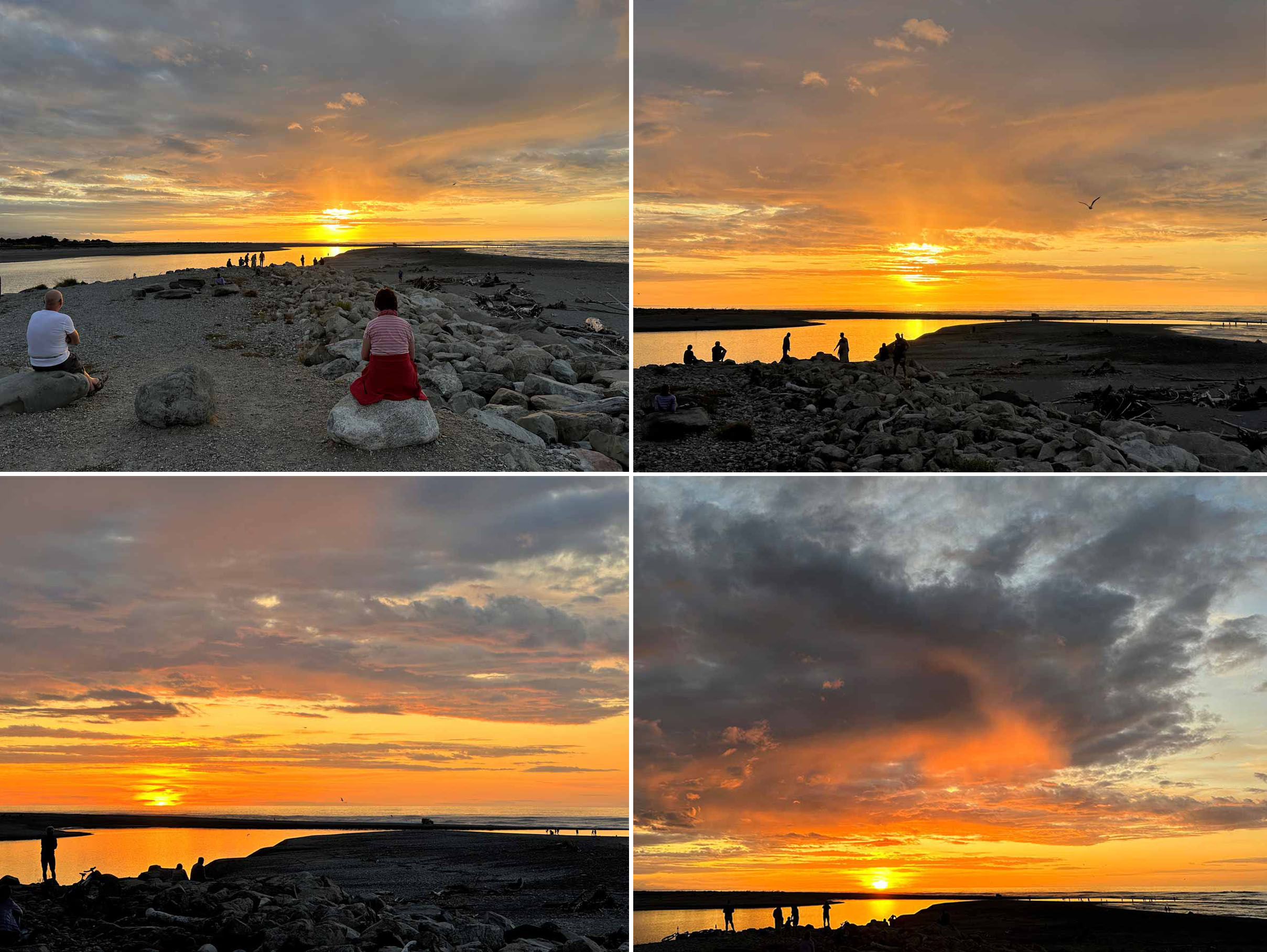
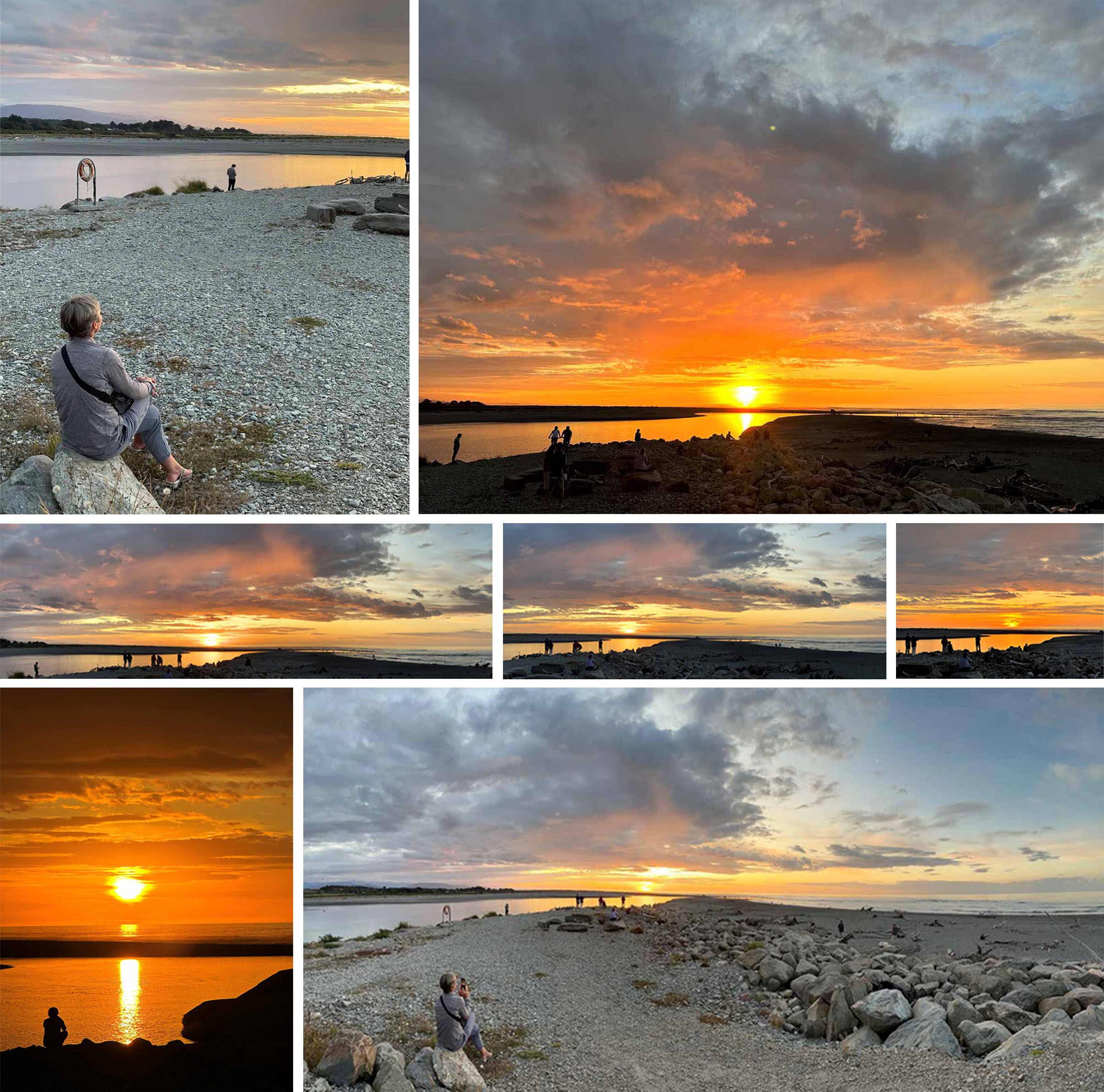
Hokitika is justifiably famous for its sunsets.
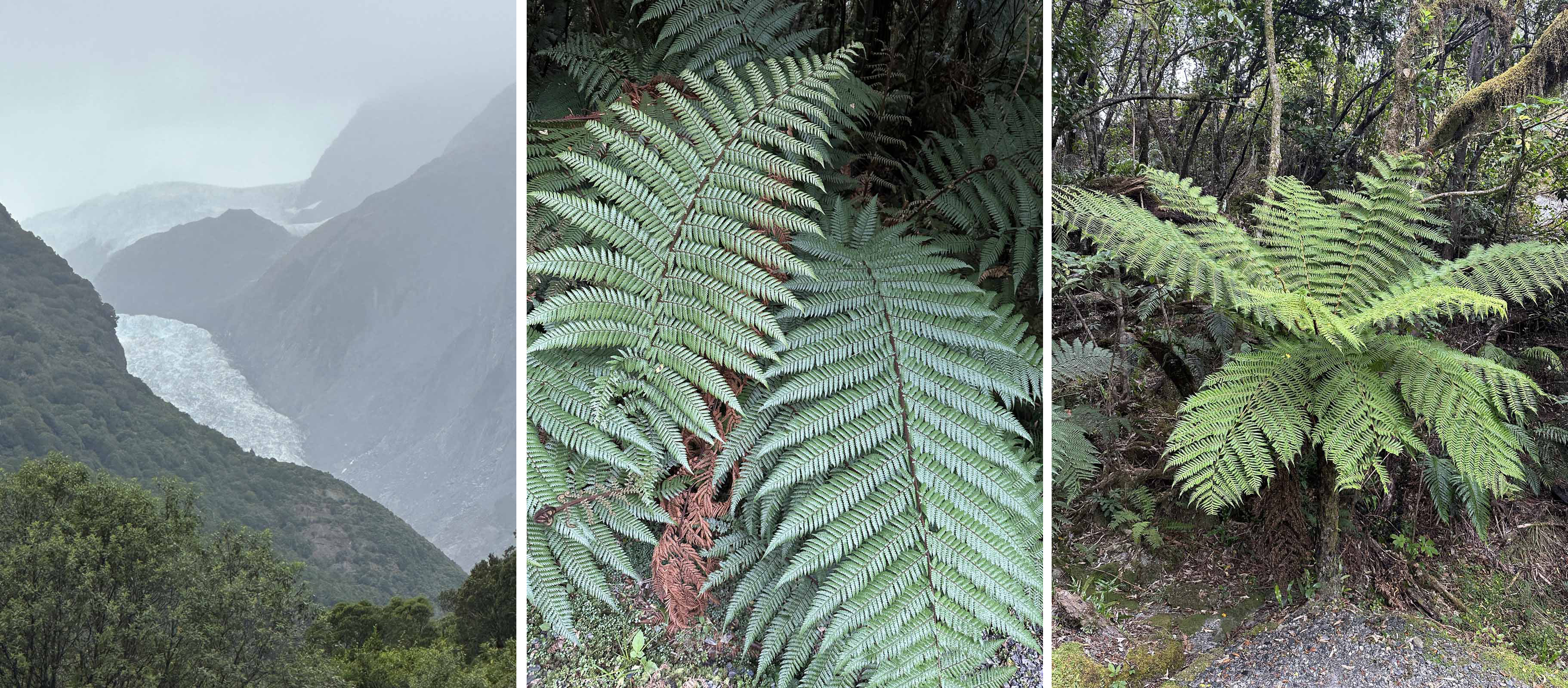
Other than this distant view of the Fox Glacier we saw much more of the luxuriant West Coast vegetation than we did of mountain views!
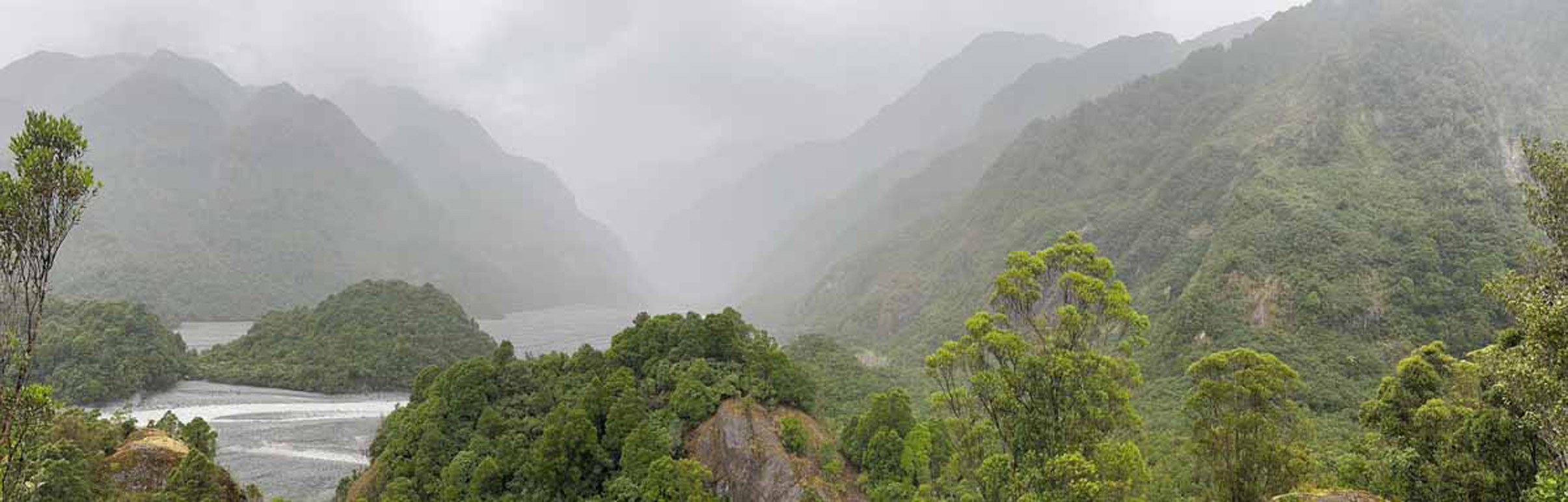
There is a glacier at the head of the valley – honestly!
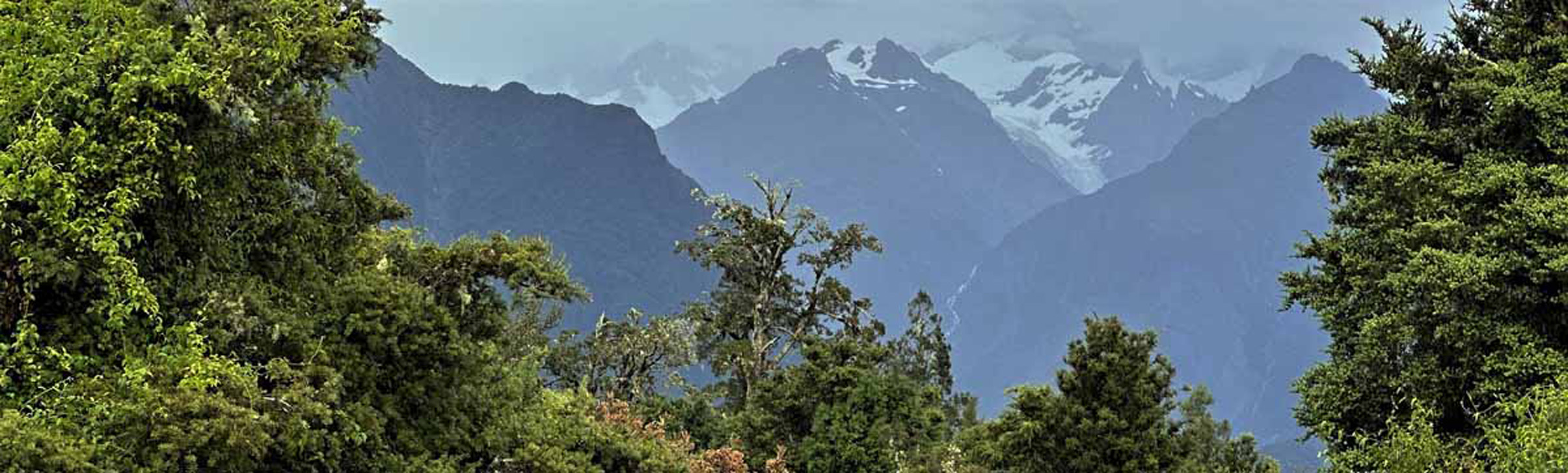
A distant view of Mt Cook amidst the clouds.
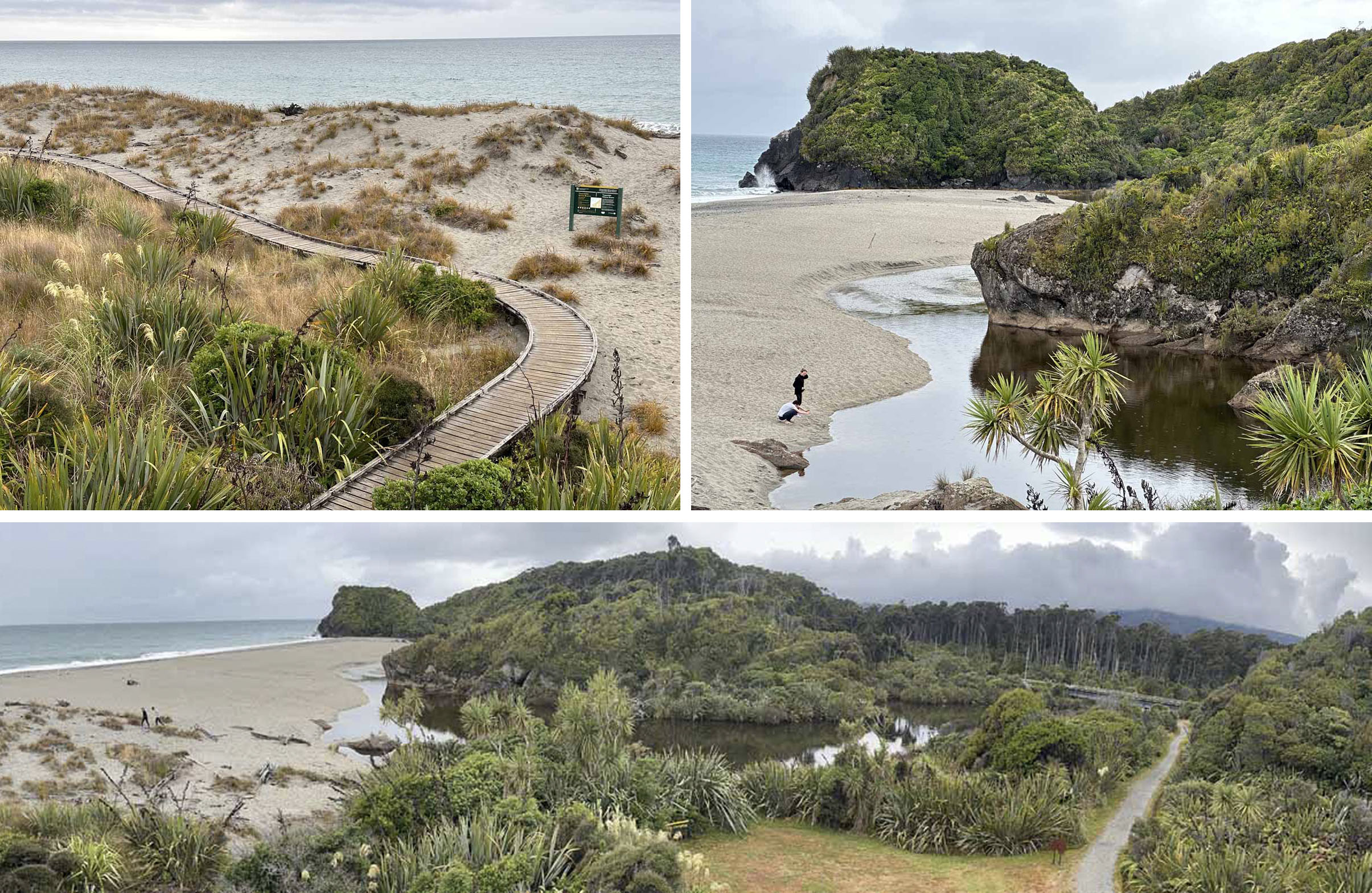
We stopped at the Tauparikaka Marine Reserve at Ship Creek.
A Boardwalk guided us through the dense and wet vegetation!
To Mt Cook Jan 27 2023
Our journey from Haast where we left the West Coast to Mt Cook will be long remembered because of the mysterious disappearance of our rental car keys as we refuelled our car at a small outback gas station. Despite the efforts of the two of us and three staff, the keys, which had to be present for us to drive into the gas station, were nowhere to be found. The only credible explanation is they had fallen out of a pocket and down the toilet!
The rental company in Queenstown was only 3 hours distant but it emerged the only spare keys were ……………….. wait for it ………………. kept at Auckland, a two-hour flight away! After a 6 hour wait the Rental Car company sent a replacement vehicle on a tow truck and took ours away! The cost of this operation almost exceeded the cost of an already expensive 10 day car hire!
The images below will confirm that our journey to Mt Cook took us through some magnificent scenery but with a 6 hour delay there was not much time to stop and admire the views as we raced the clock to arrive at Mt Cook before dark!
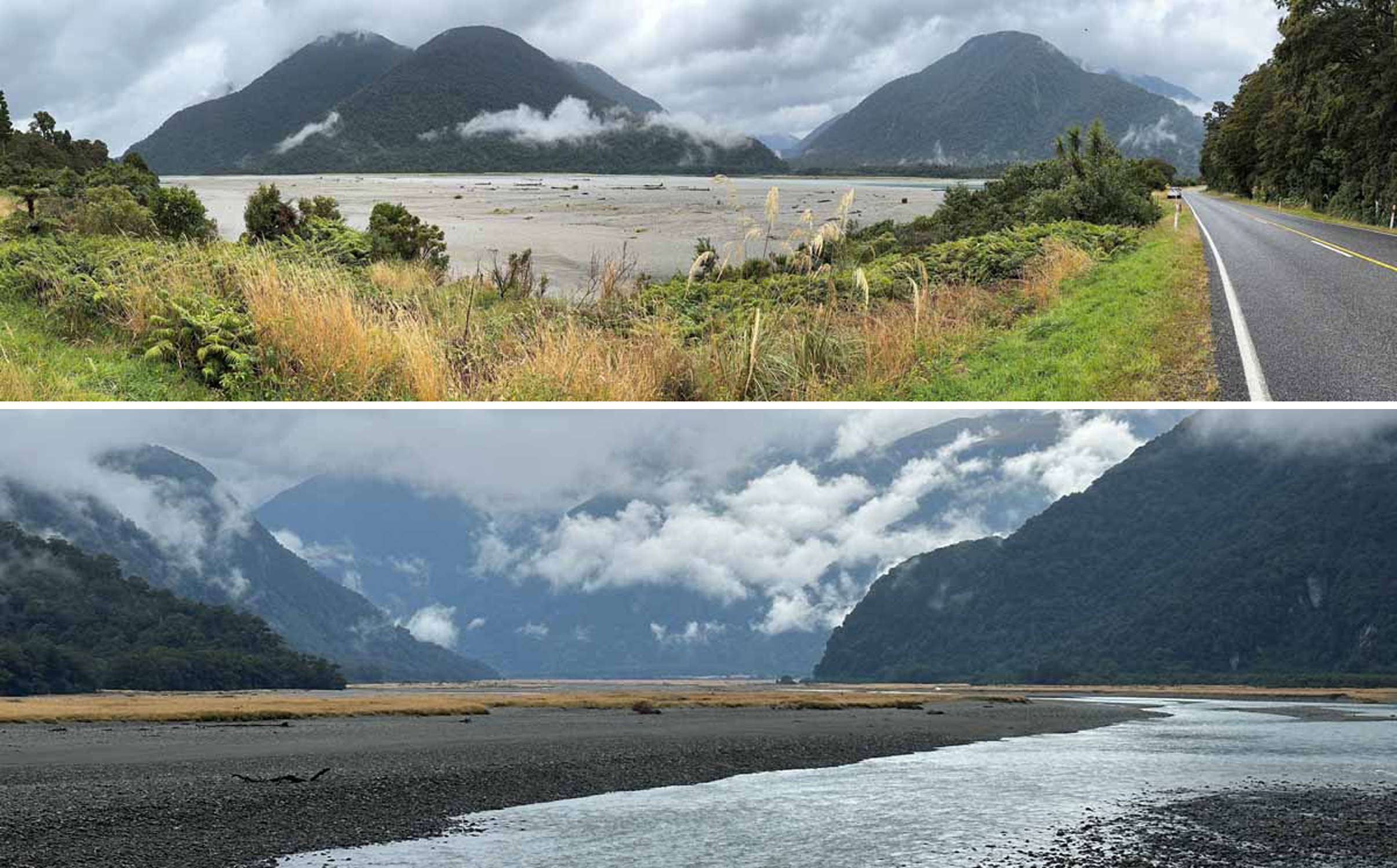
Heading inland from Haast.
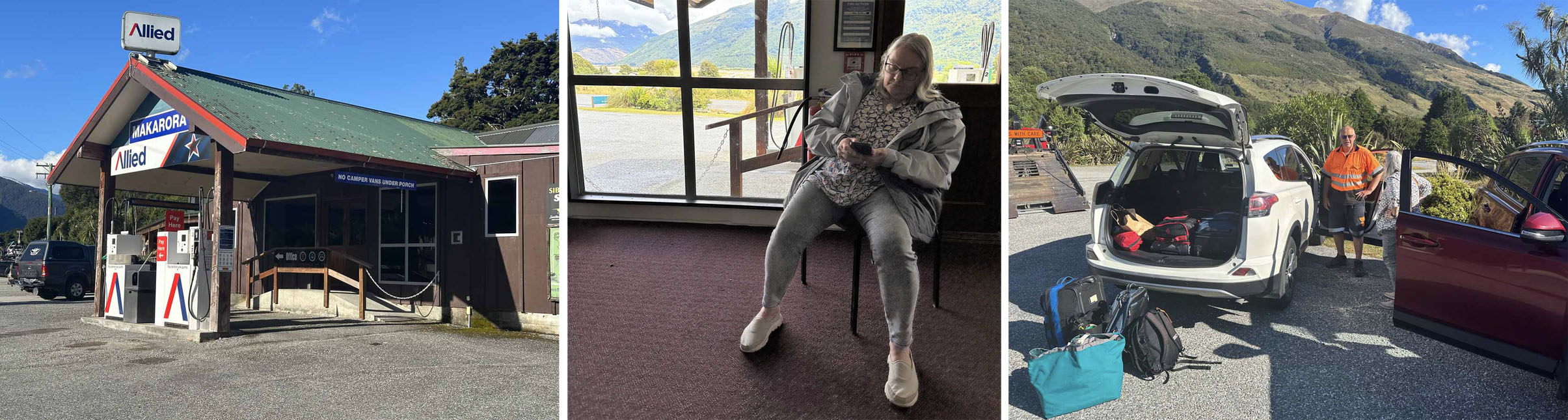
Somehow between the Petrol Pumps and the toilet our car keys disappeared forever and after 6 hours a tow truck delivered a replacement vehicle!
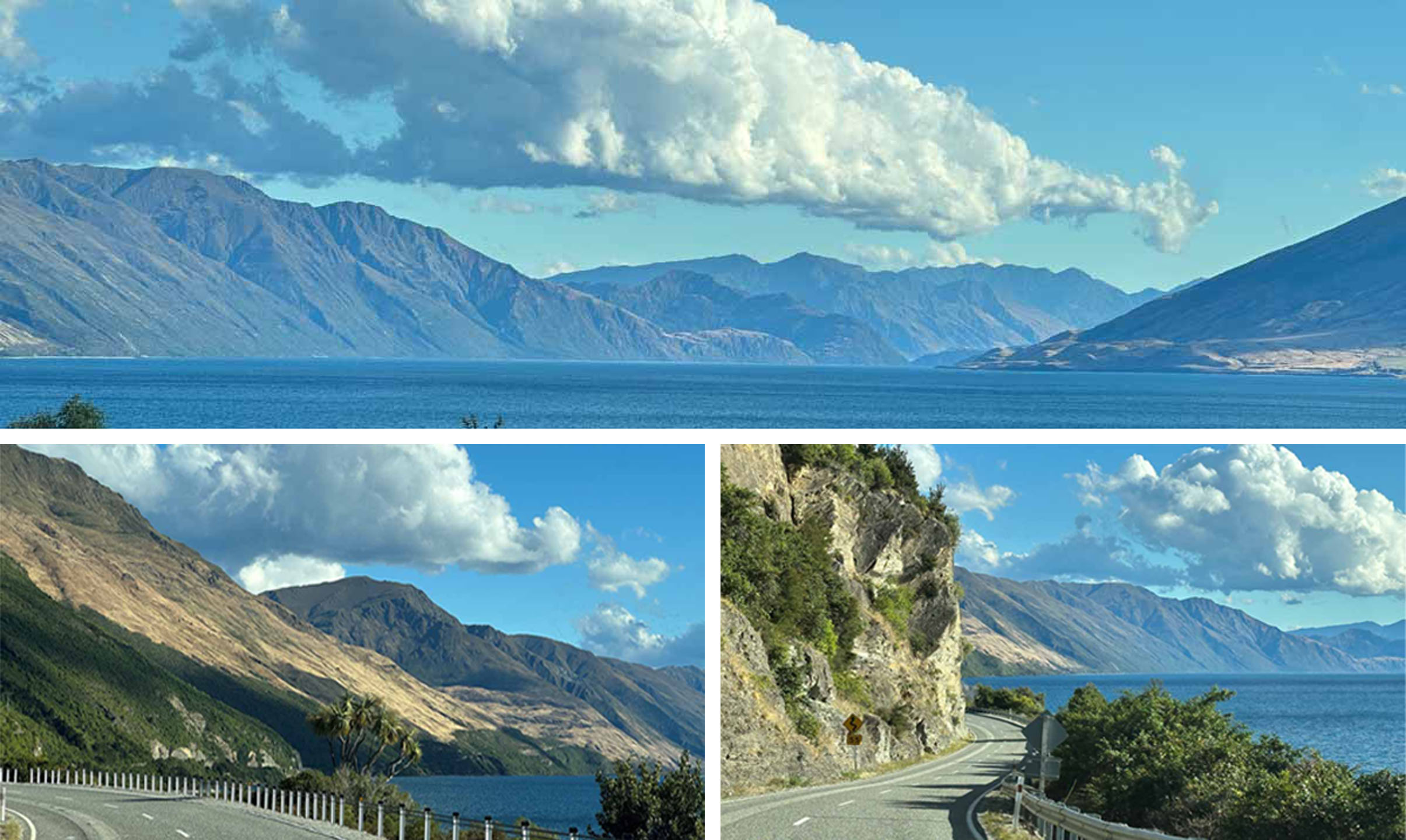
The drive alongside Lake Wanaka was spectacular.
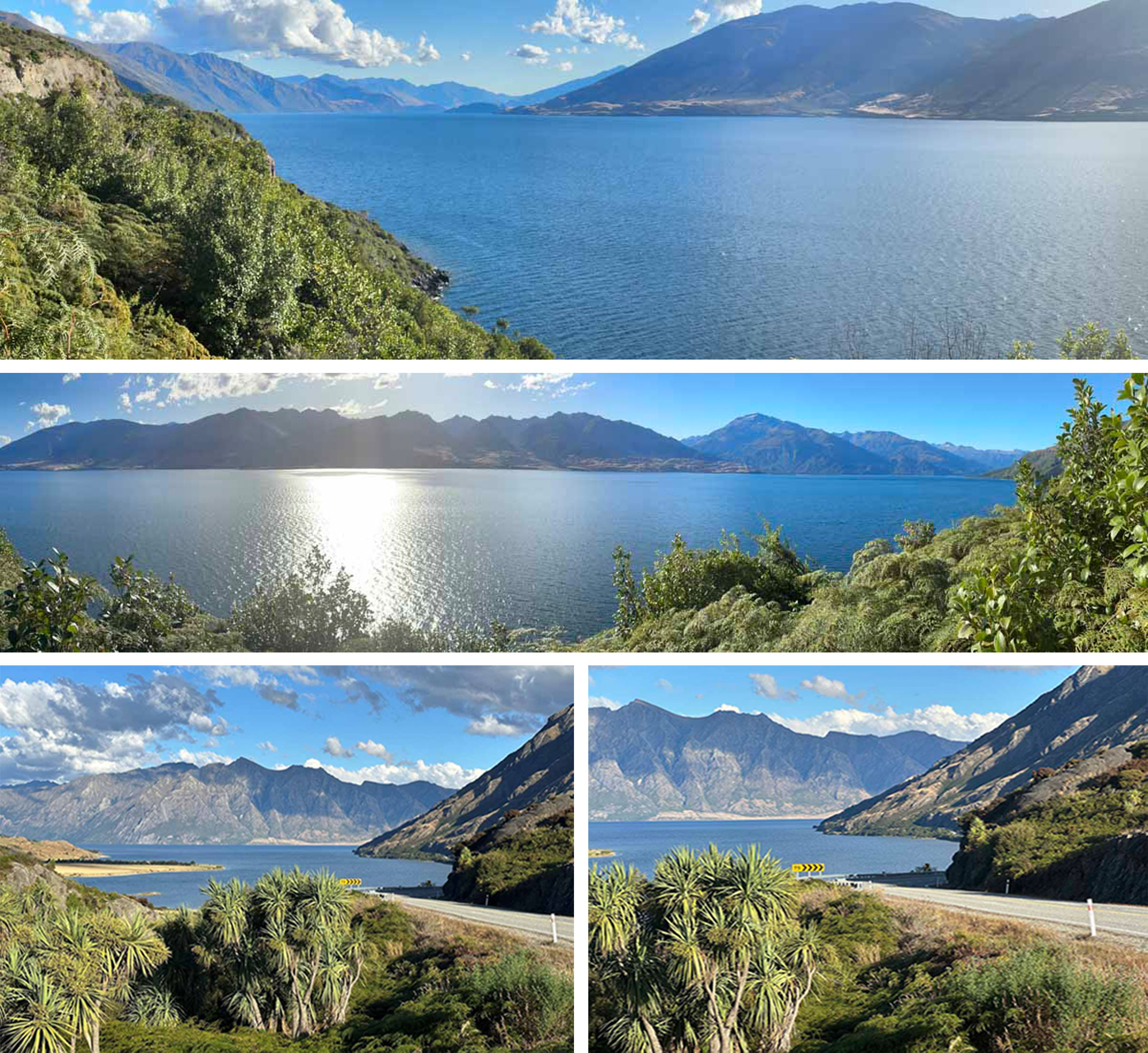
Approaching Lake Hawea.
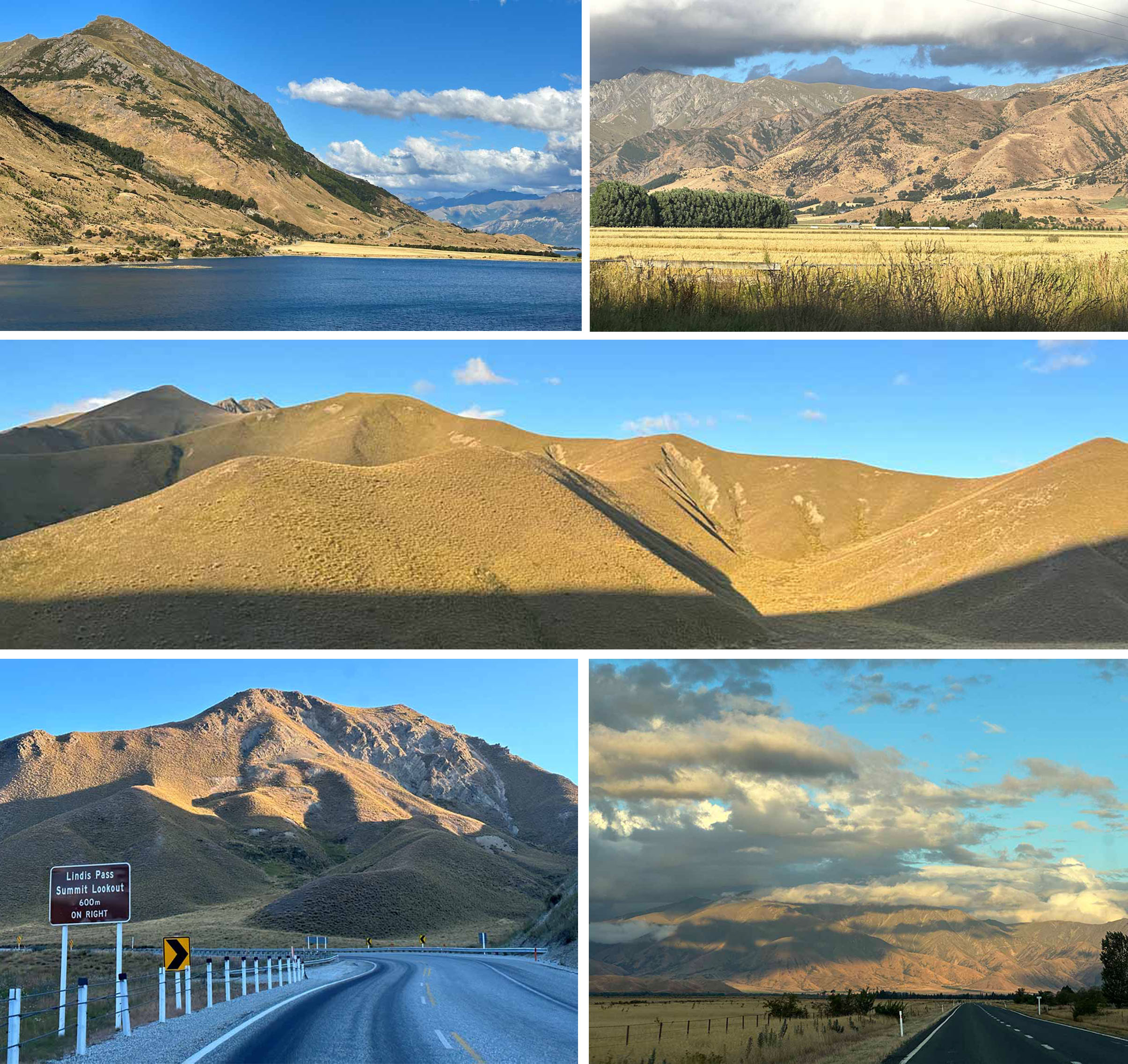
Racing the clock to Mt Cook!
Mt Cook Village and National Park Jan 28 – 29 2023
Mt Cook village dates from the opening of the Hermitage Hotel in 1884 and is the preeminent Alpine and climbing centre in New Zealand. The Aoraki/Mount Cook National Park was established in 1953 and contains 21 peaks over 3000m/10,000ft and the highest mountains and largest glaciers in New Zealand. It was here that Sir Edmund Hillary honed his climbing skills before he and Tenzing Norgay became the first to conquer Everest in 1953.
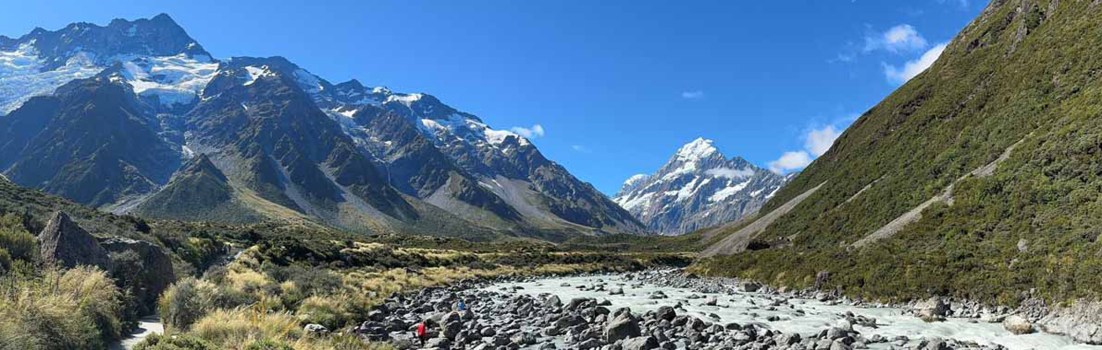
There are numerous hiking trails to suit all abilities and it was here in January 1973 that I undertook my first serious Alpine hike and at that time when I saw numerous hikers striding off into the distance and carrying giant packs I understood why it was a Kiwi who had been one of the first to conquer Everest!

The Sealy Range towers above Mt Cook village and drive towards the Tasman Lake.
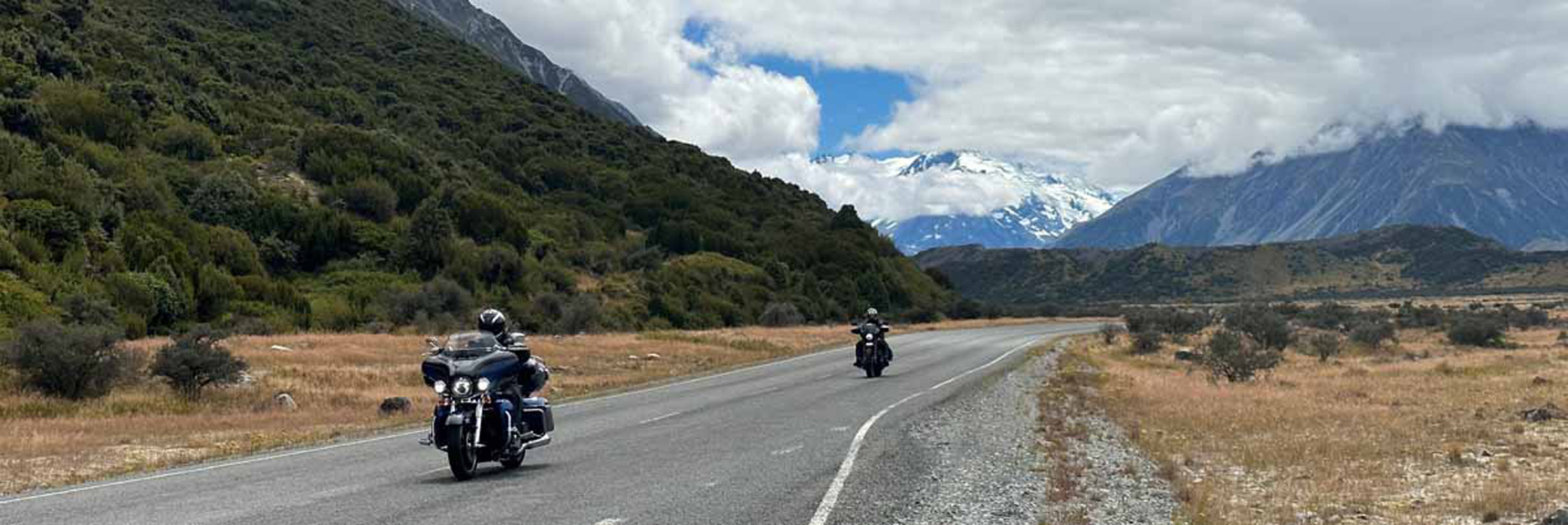
Mountains always seem to attract Bikers! On the Tasman Valley Road.

Hiking up to the Blue Lakes.

The Tasman glacier flows into the Tasman Lake.
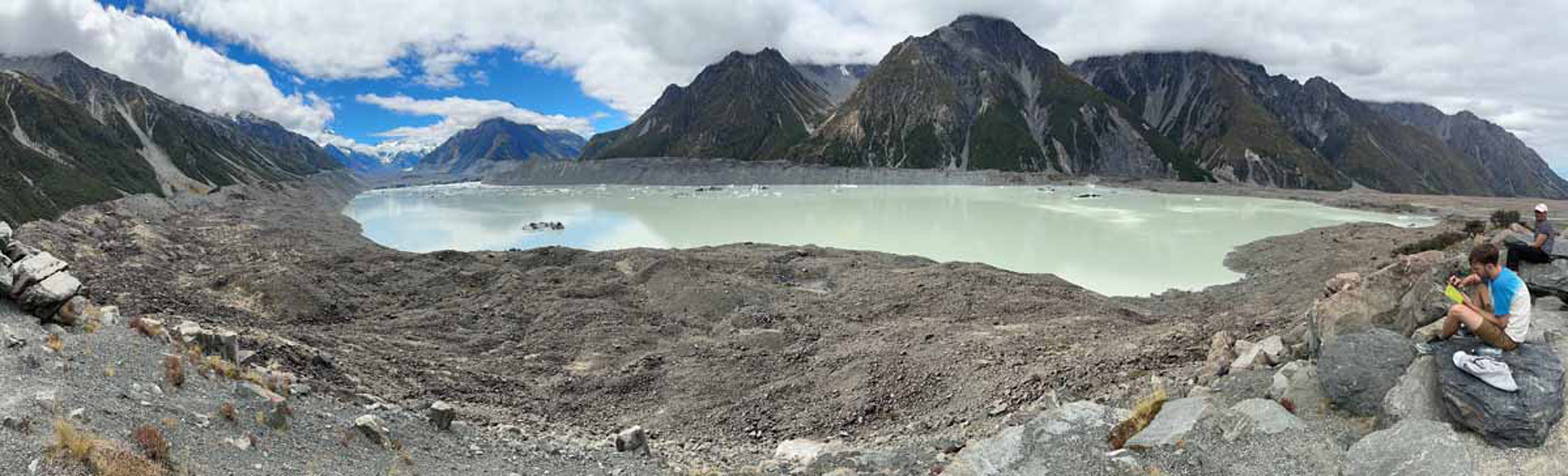
The Tasman Lake and surrounding moraine from the Tasman viewpoint.
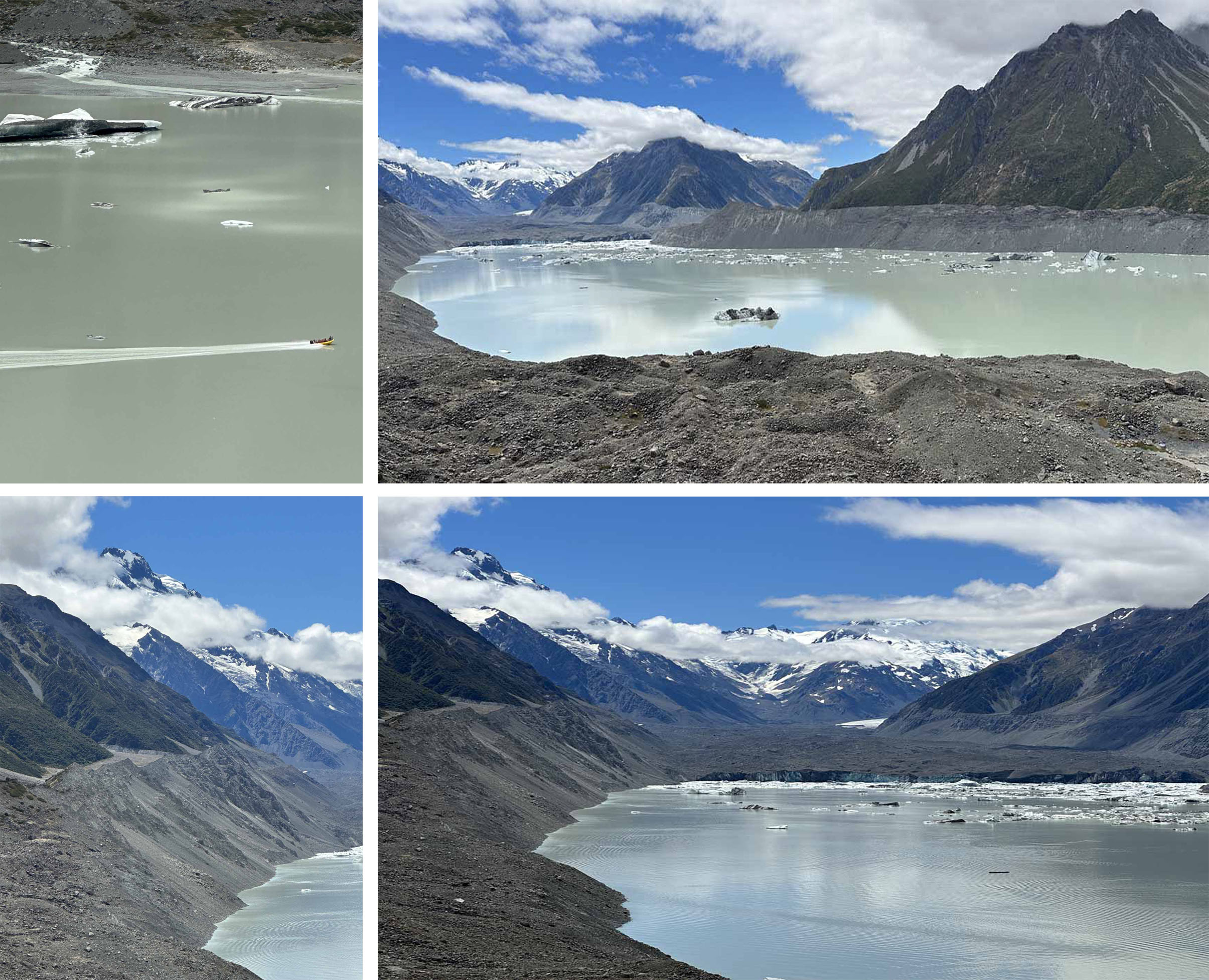
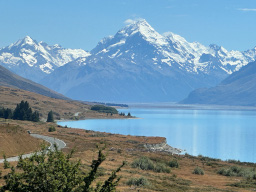
Mt Cook overlooking the Tasman Lake and glacier.
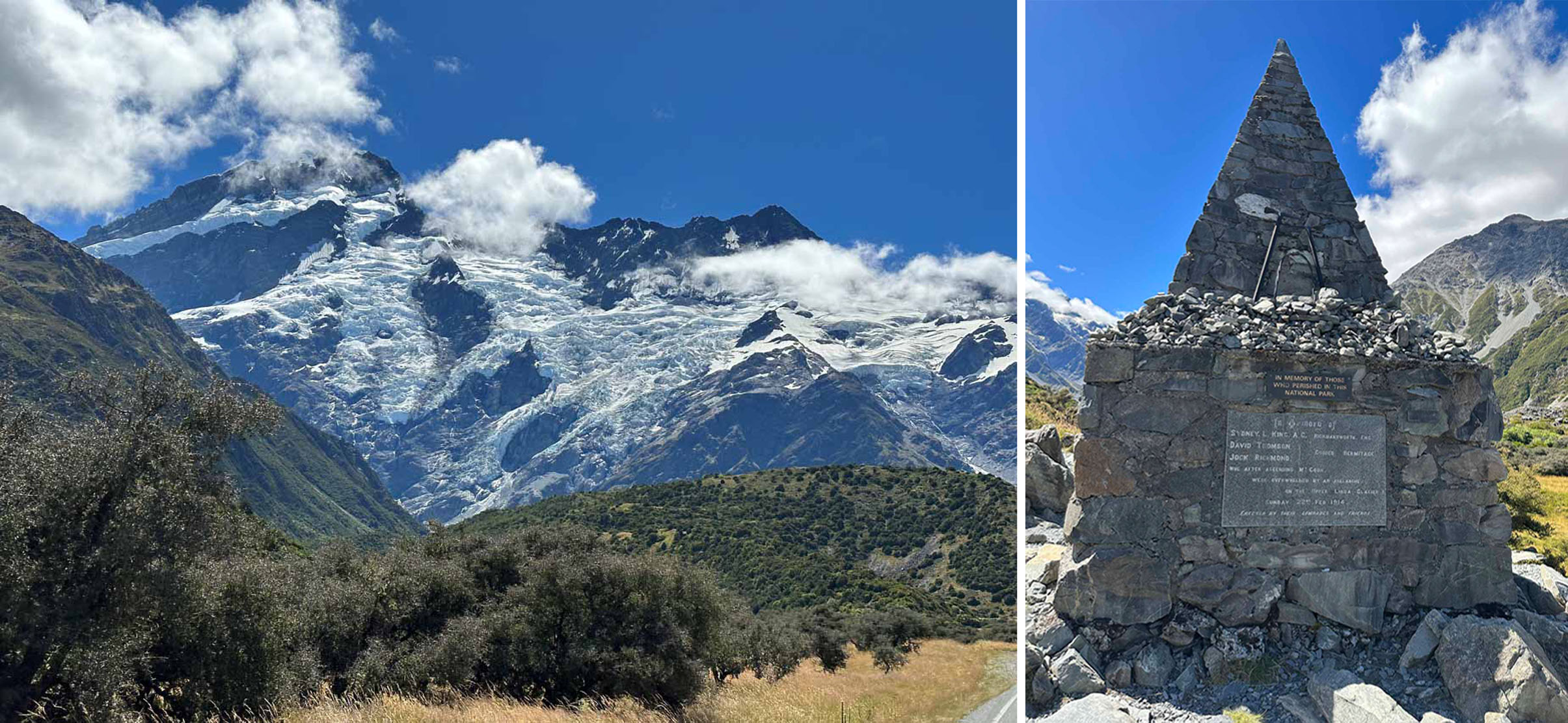
The Sealy Range and the Alpine Monument on the Hooker Valley trail which provides the most spectacular views of Mt Cook.
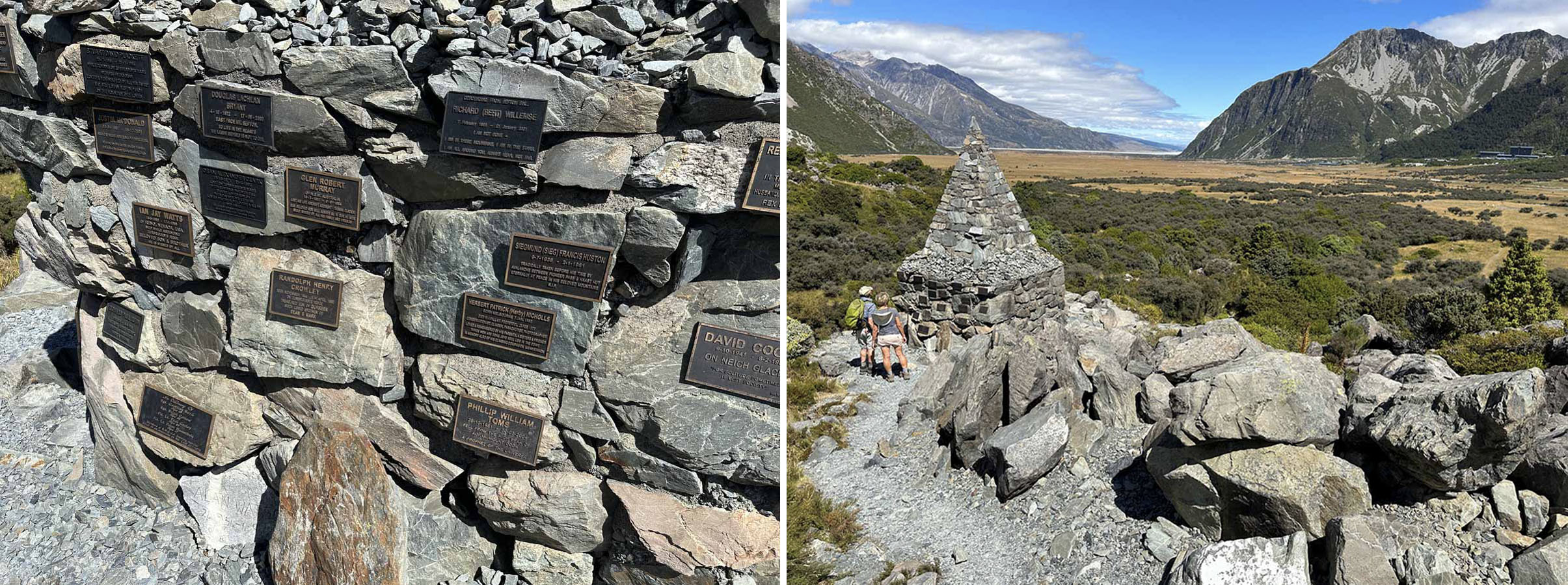
The Alpine Memorial with Mt Cook village beyond.
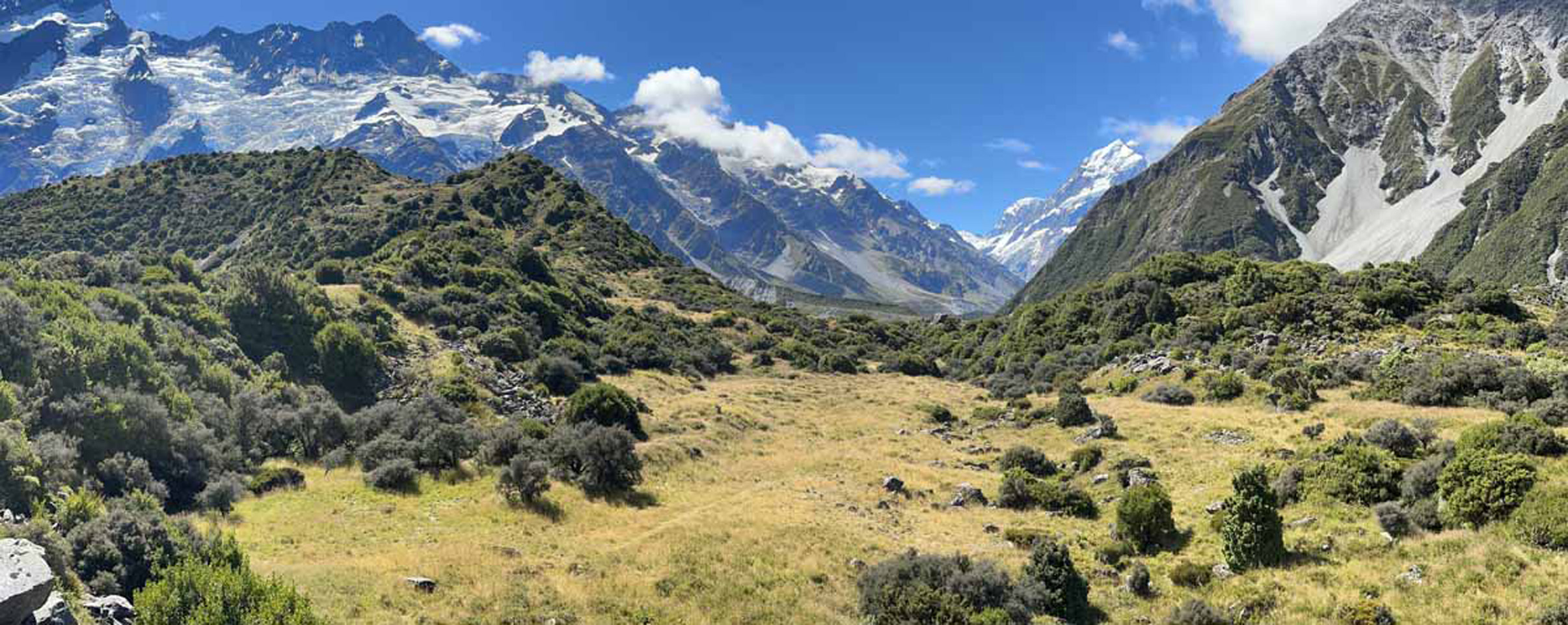
Mt Cook from the Alpine Memorial.
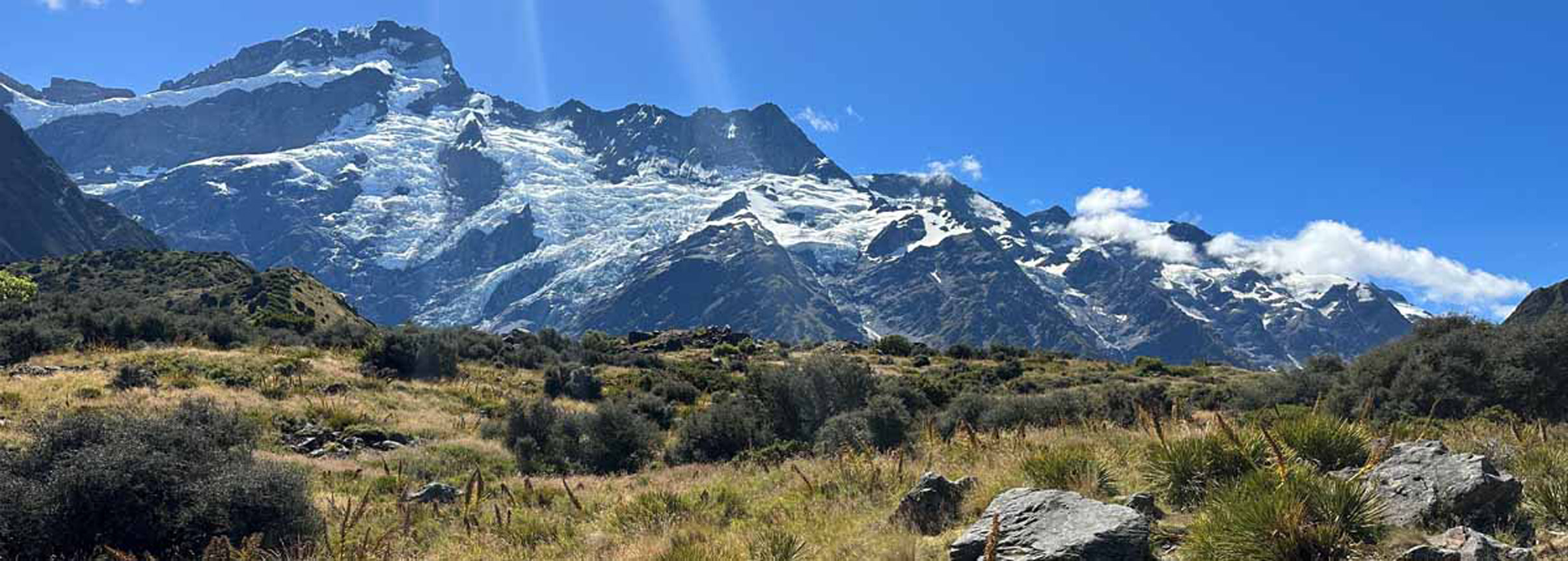
The Aroarokaehe Range from the Alpine Memorial.
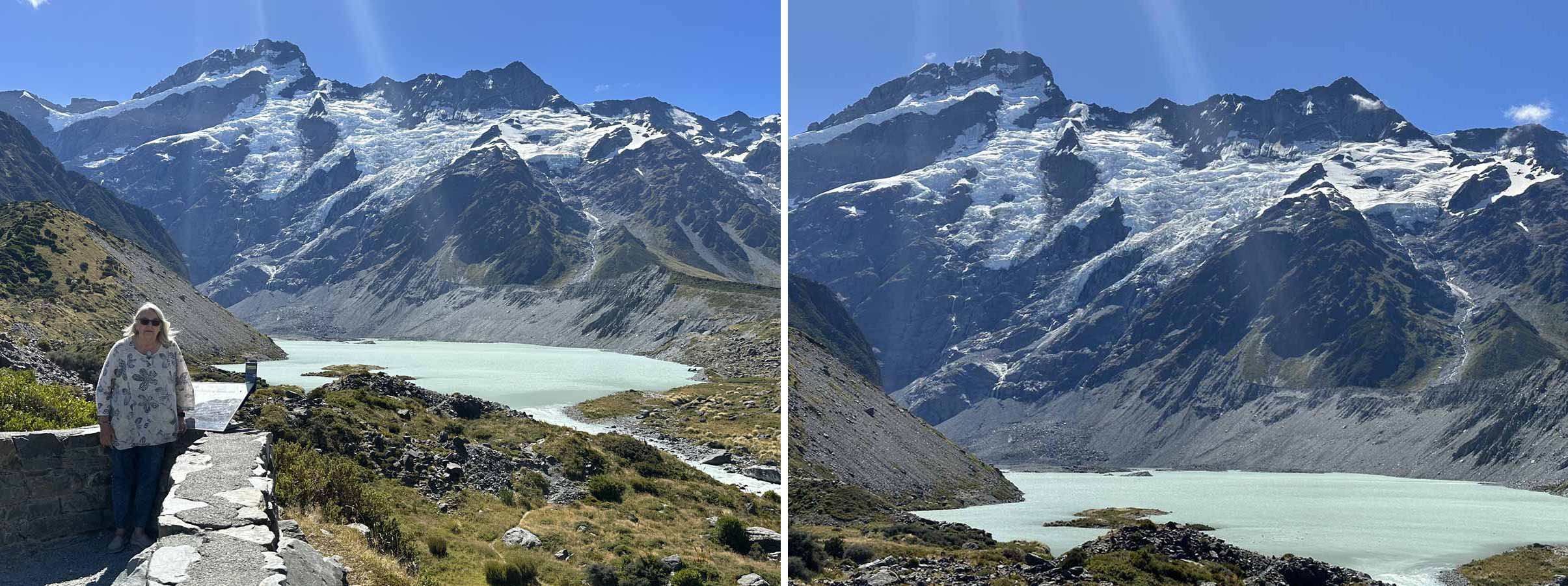
Mueller Lake.

The first of three Swing Bridges on the Hooker Valley Trail.
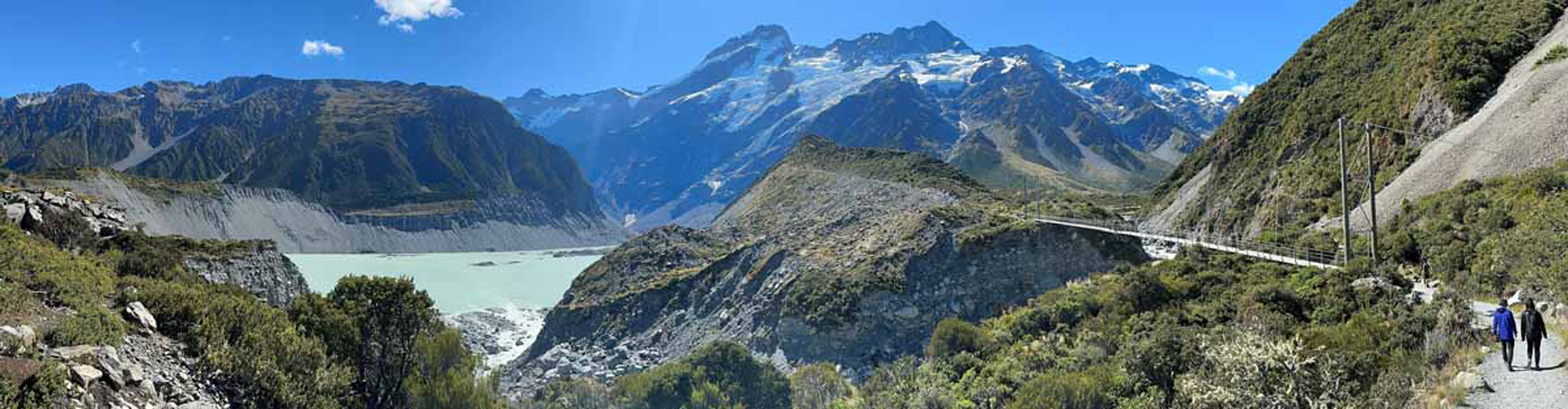
Approaching the second Swing Bridge.
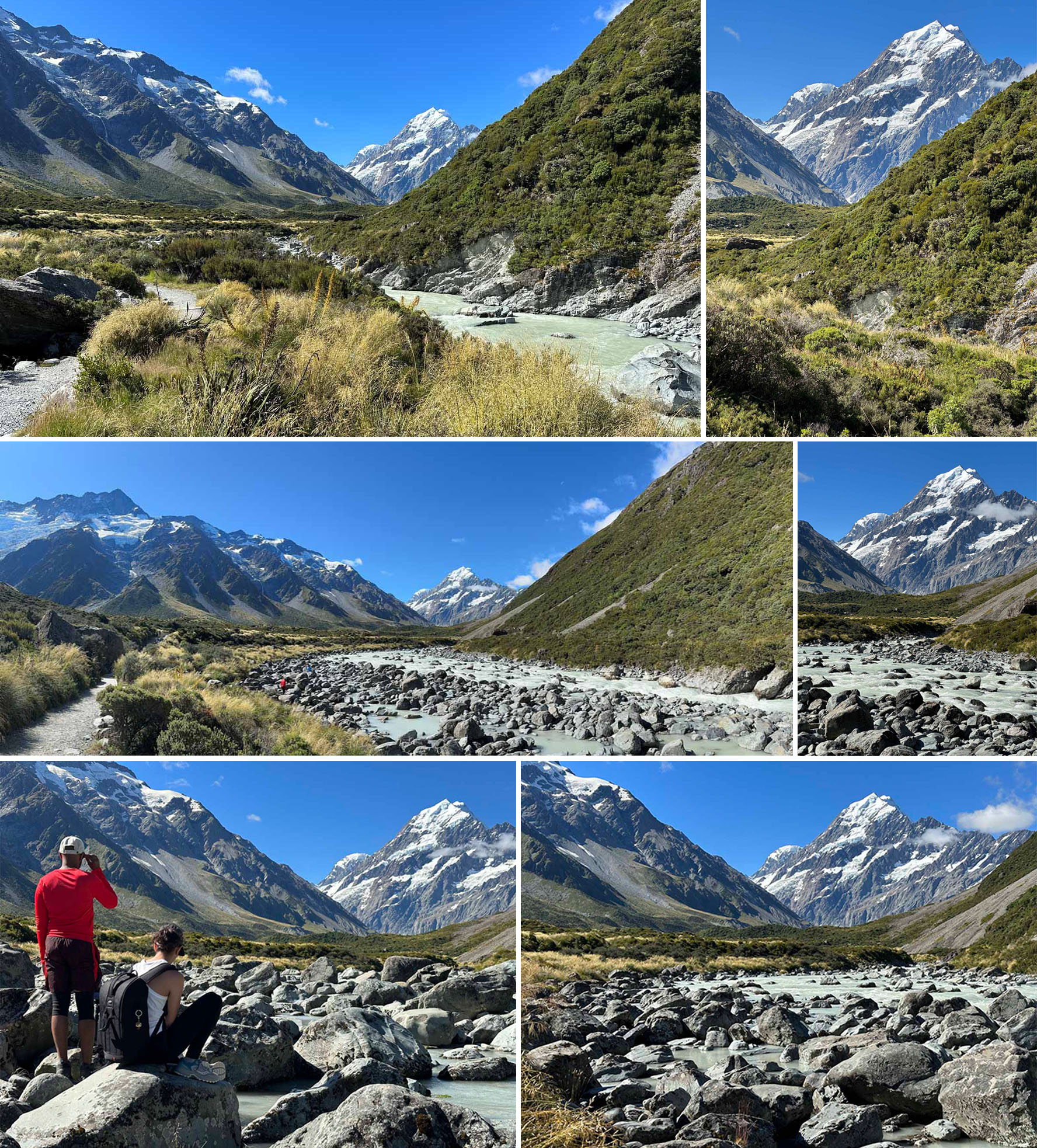
Mt Cook and the Hooker Valley provide innumerable photo opportunities.
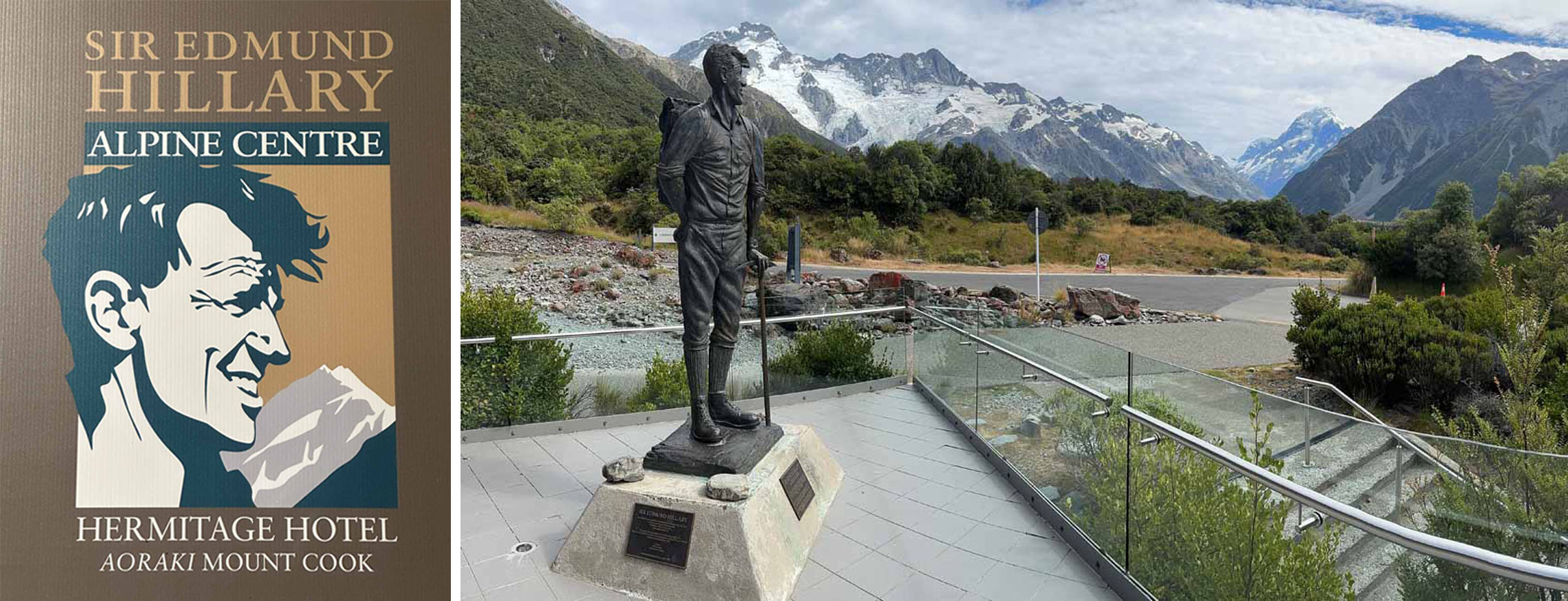
Mt Cook is and will forever be associated with Sir Edmund Hillary.
South to Te Anau Jan 29 2023
The drive southwards to Te Anau was a scenic pleasure and took us past Queenstown before following Lake Wakatipu and then approaching Te Anau through some beautiful rolling farmlands.
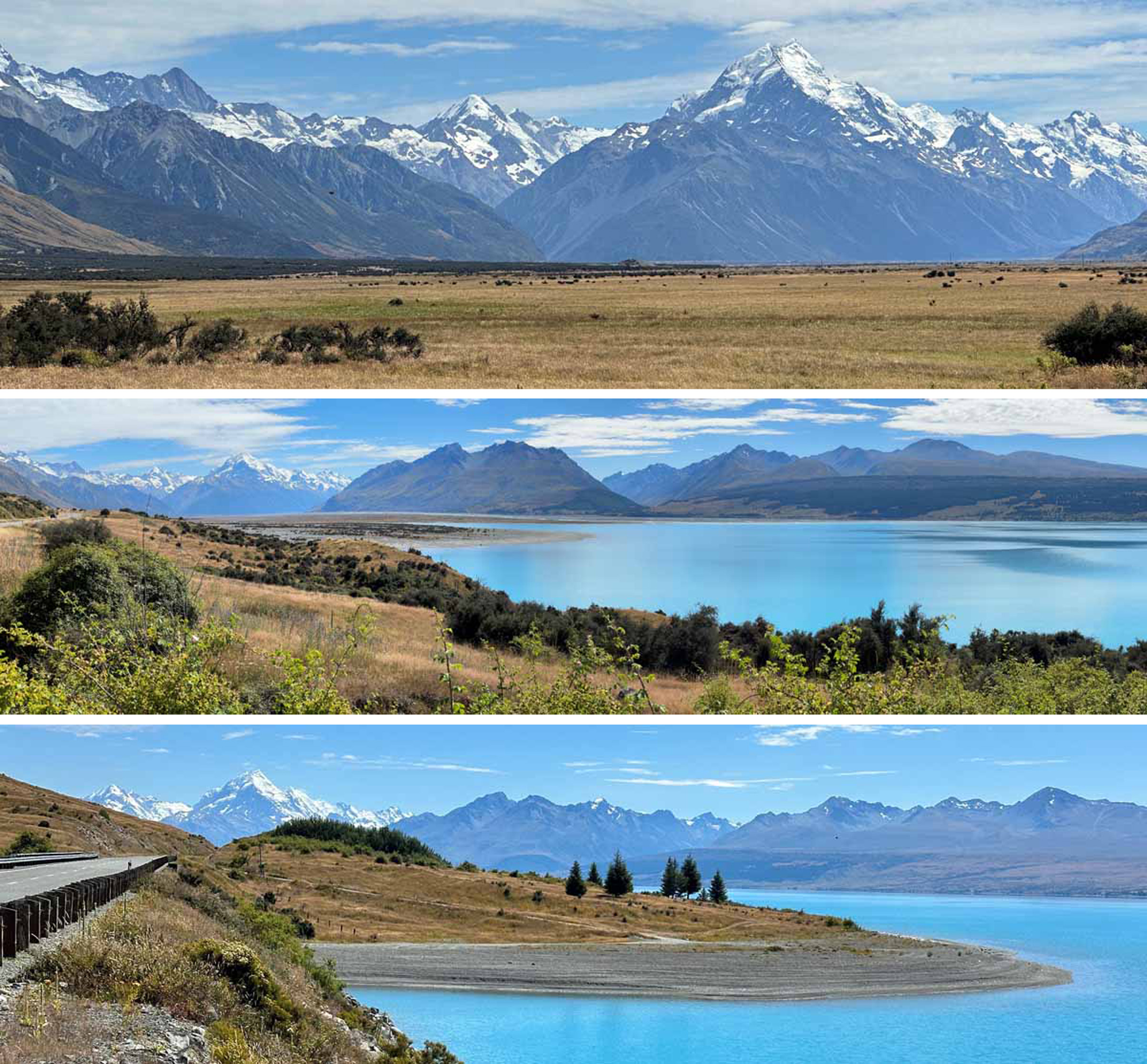
Multiple opportunities for landscape photographers when looking back at Mt Cook.
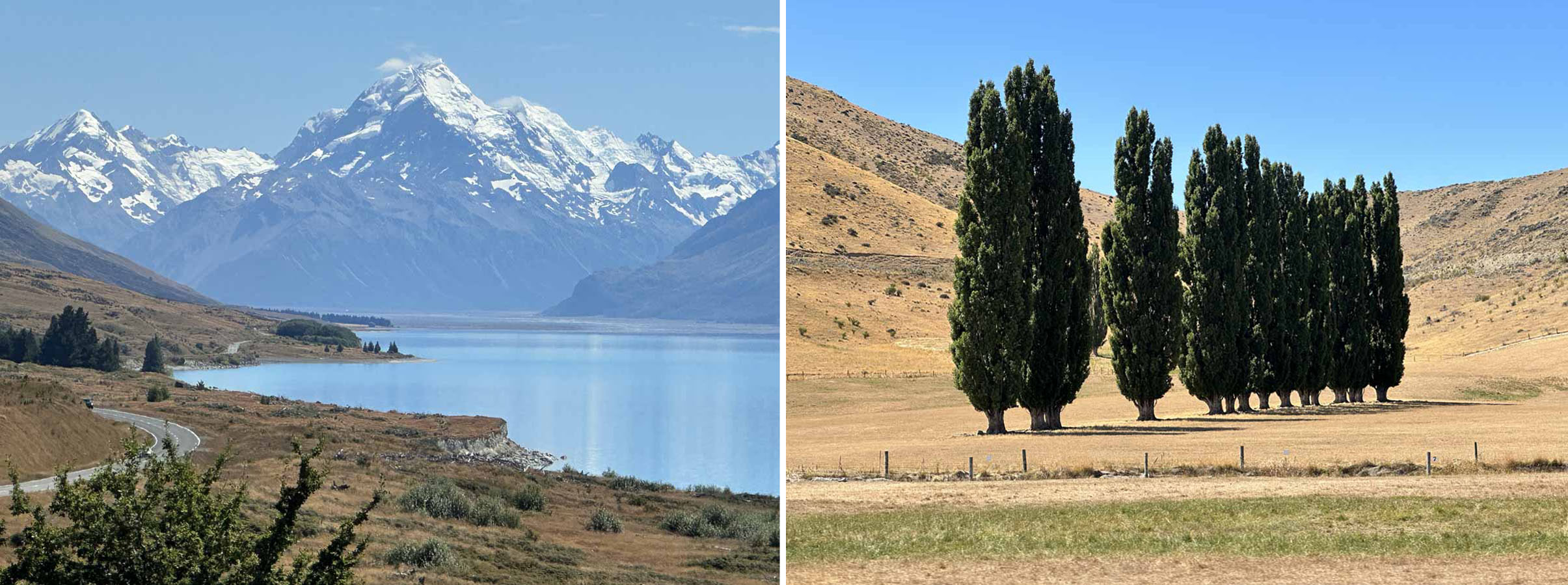
Mountains and Windbreaks.
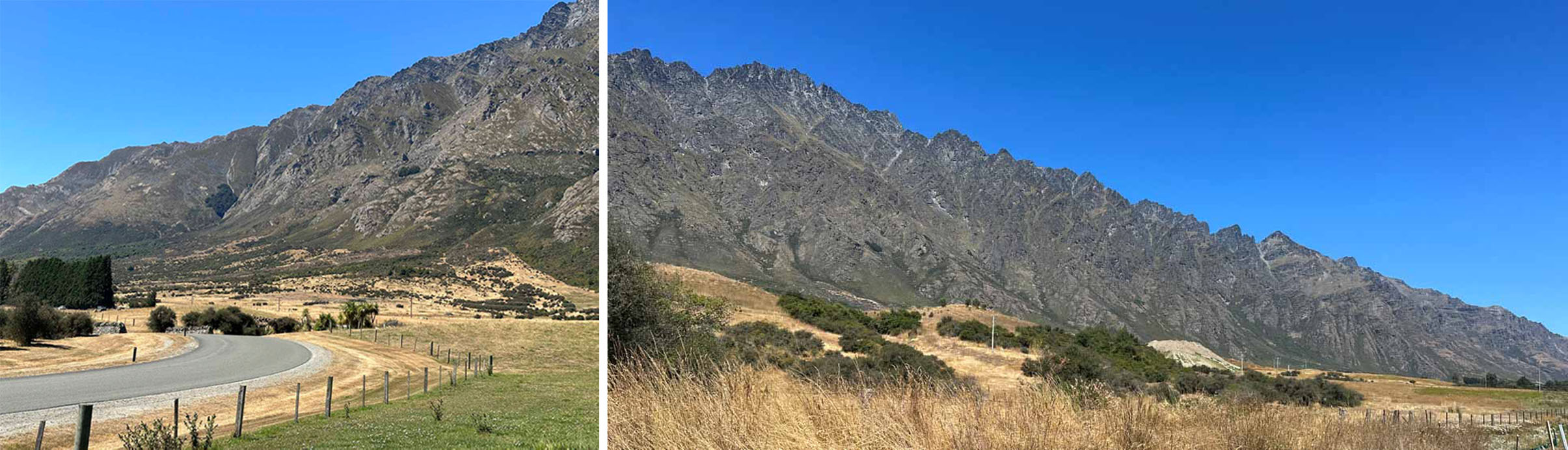
The Remarkables are the most distinctive landform close to Queenstown.
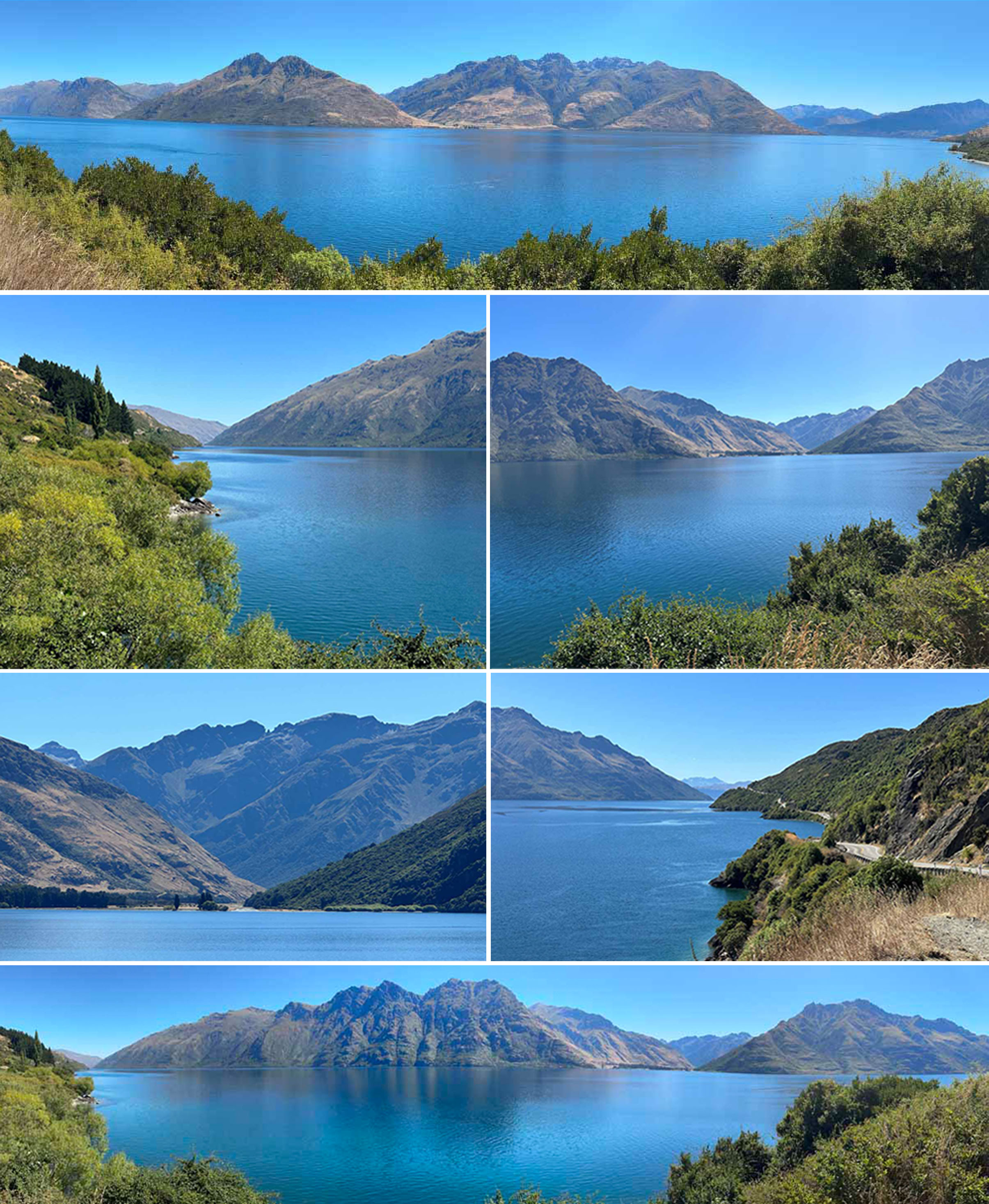
Lake Wakatipu south of Queenstown.
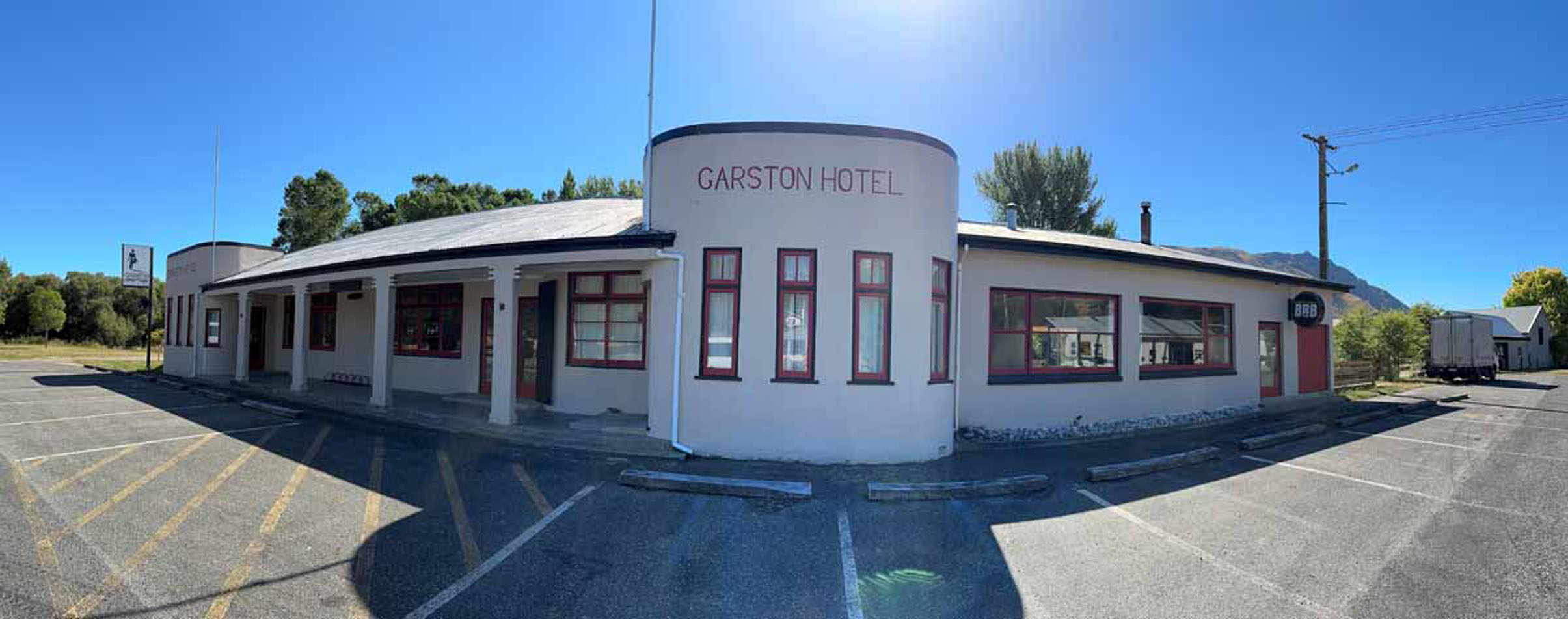
We discovered a beautiful Art Deco motel in the small settlement of Garston.
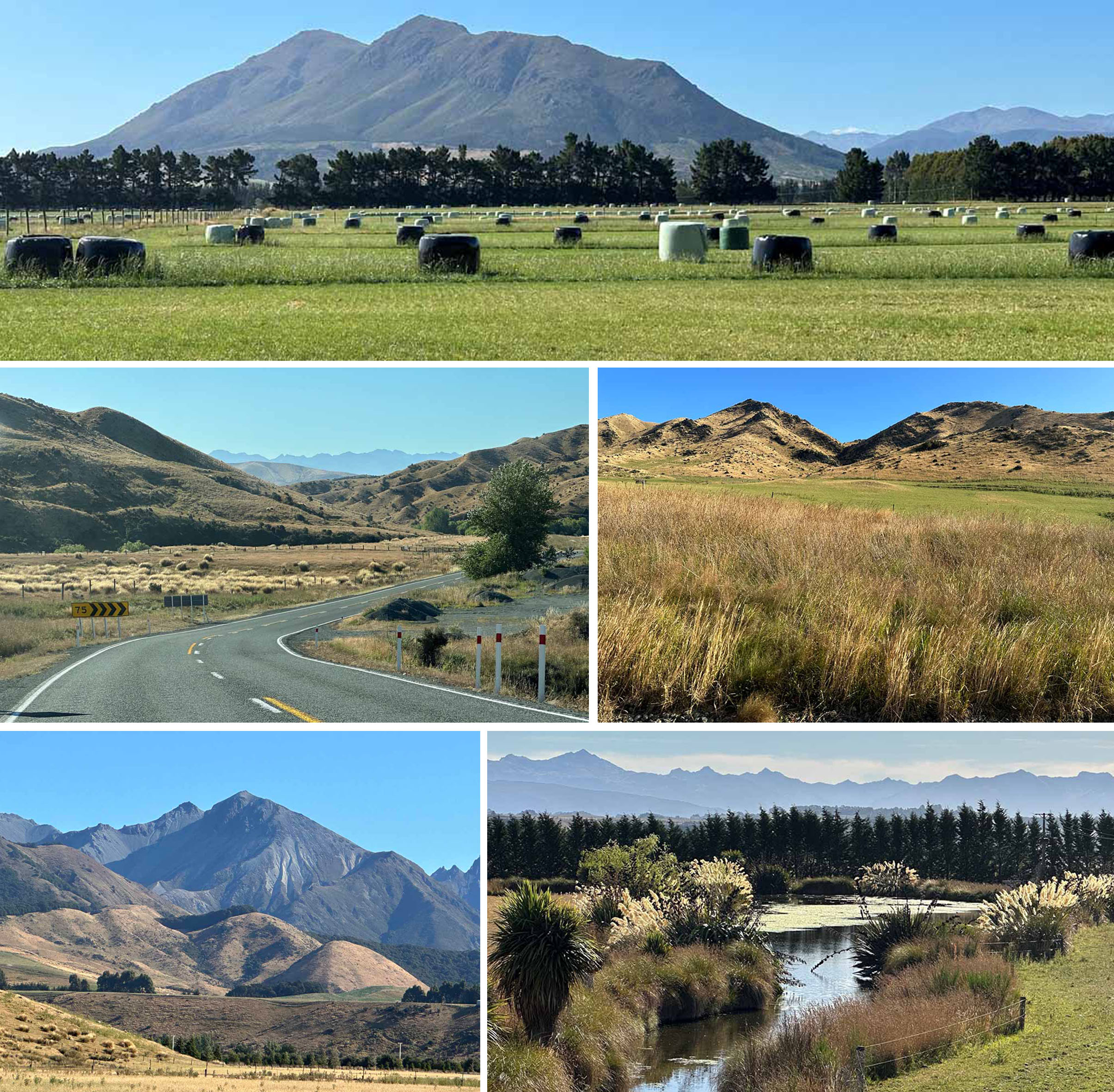
We drove through attractive landscapes as we approached Te Anau.

Lake Te Anau.
NNNMilford Sound Jan 30 2023
Milford Sound is in fact not a Sound in the Geographical sense (which refers to a drowned River Valley) but a fjord which is formed by glaciers, much narrower and defined by soaring, almost vertical walls.
Milford Sound lacks for little in comparison with the famous Norwegian fjords and is arguably the most well known attraction in New Zealand and on the ‘must see’ list for most international visitors. Indeed, Milford Sound is one of the most famous and spectacular scenic attractions in the Southern Hemisphere and every day a fleet of coaches drive the attractive route from Queenstown 175 miles away ferrying tourists for a two hour cruise in the fjord before retracing the route to Queenstown. It makes for a long day but there are few complaints and the wealthiest have the option of doing the transfer by air.
We drove from Te Anau, the closest settlement to Milford Sound, and followed the final and most spectacular 75 miles of the approach route.
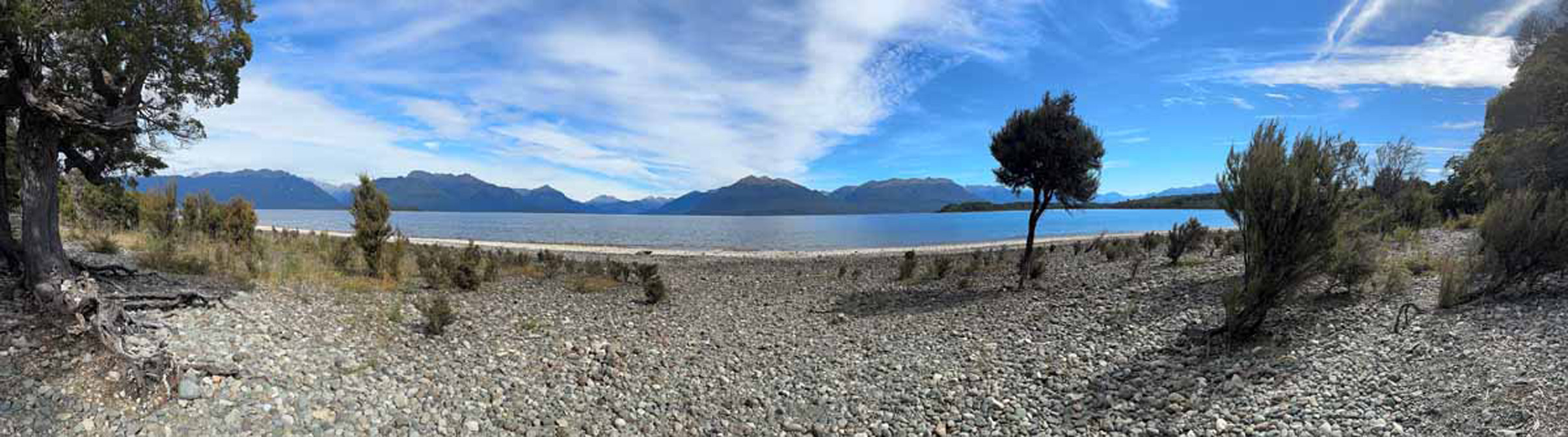
Lake Te Anau.
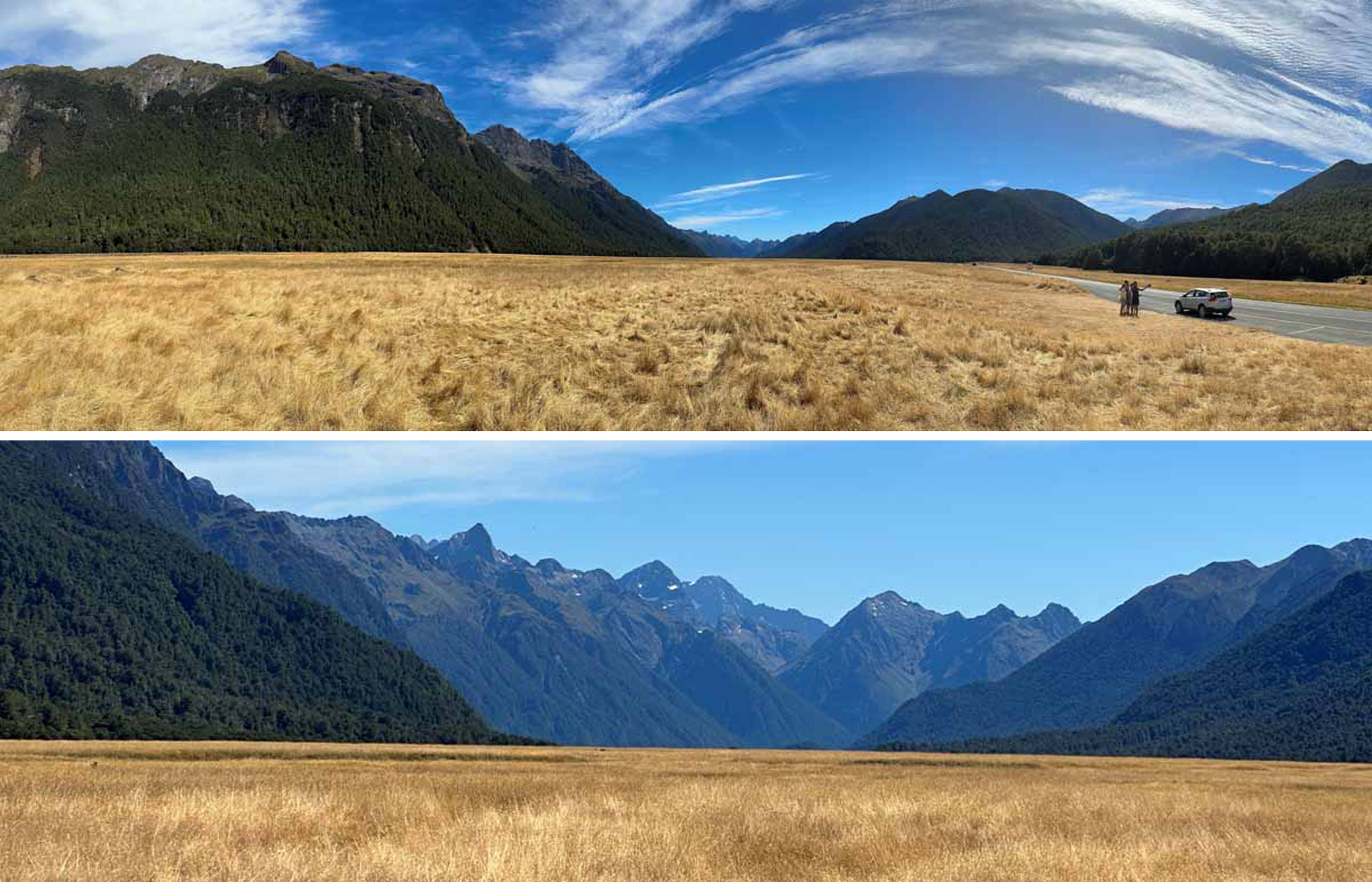
The Eglinton Valley forms part of the route to Milford Sound.
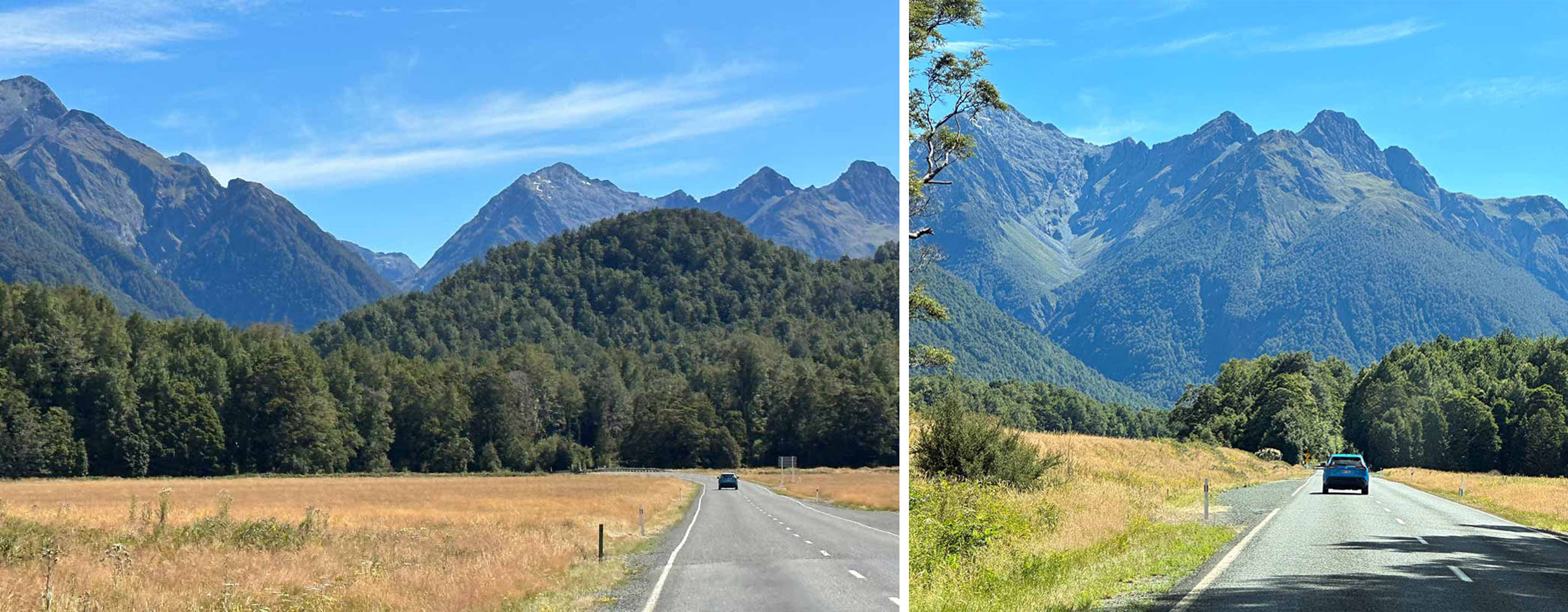
The route to Milford Sound is truly a scenic delight.
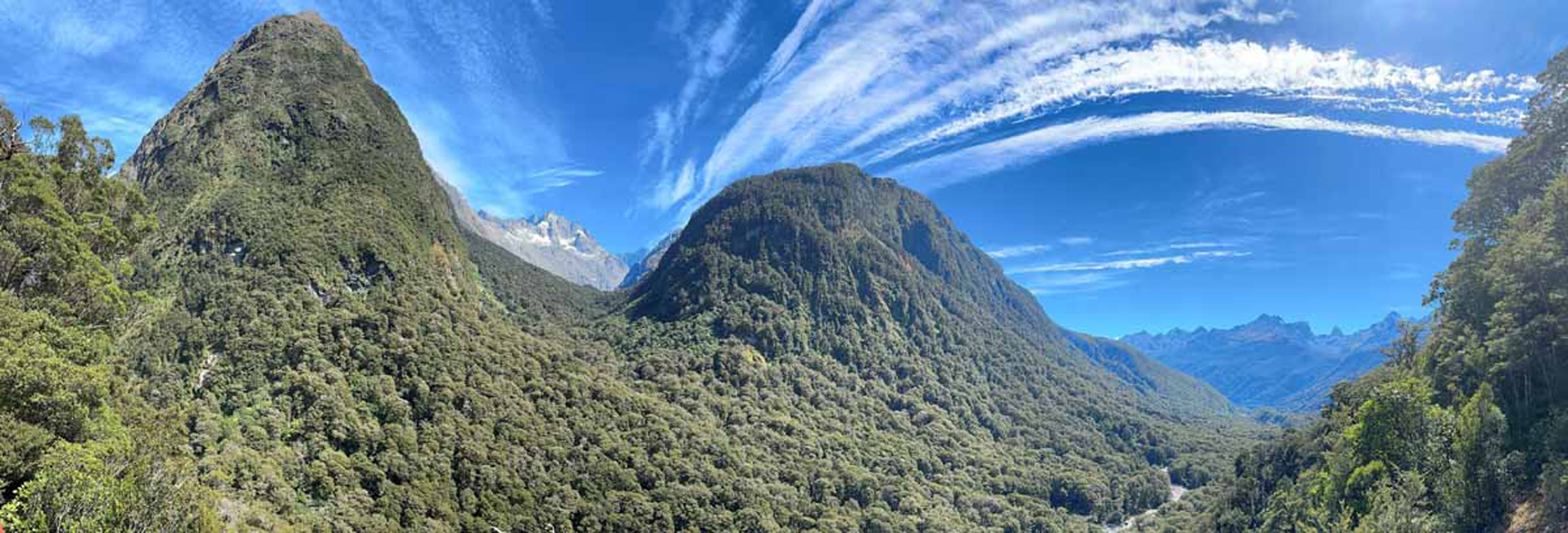
The rugged Hollyford Valley heads north from the route to Milford Sound.
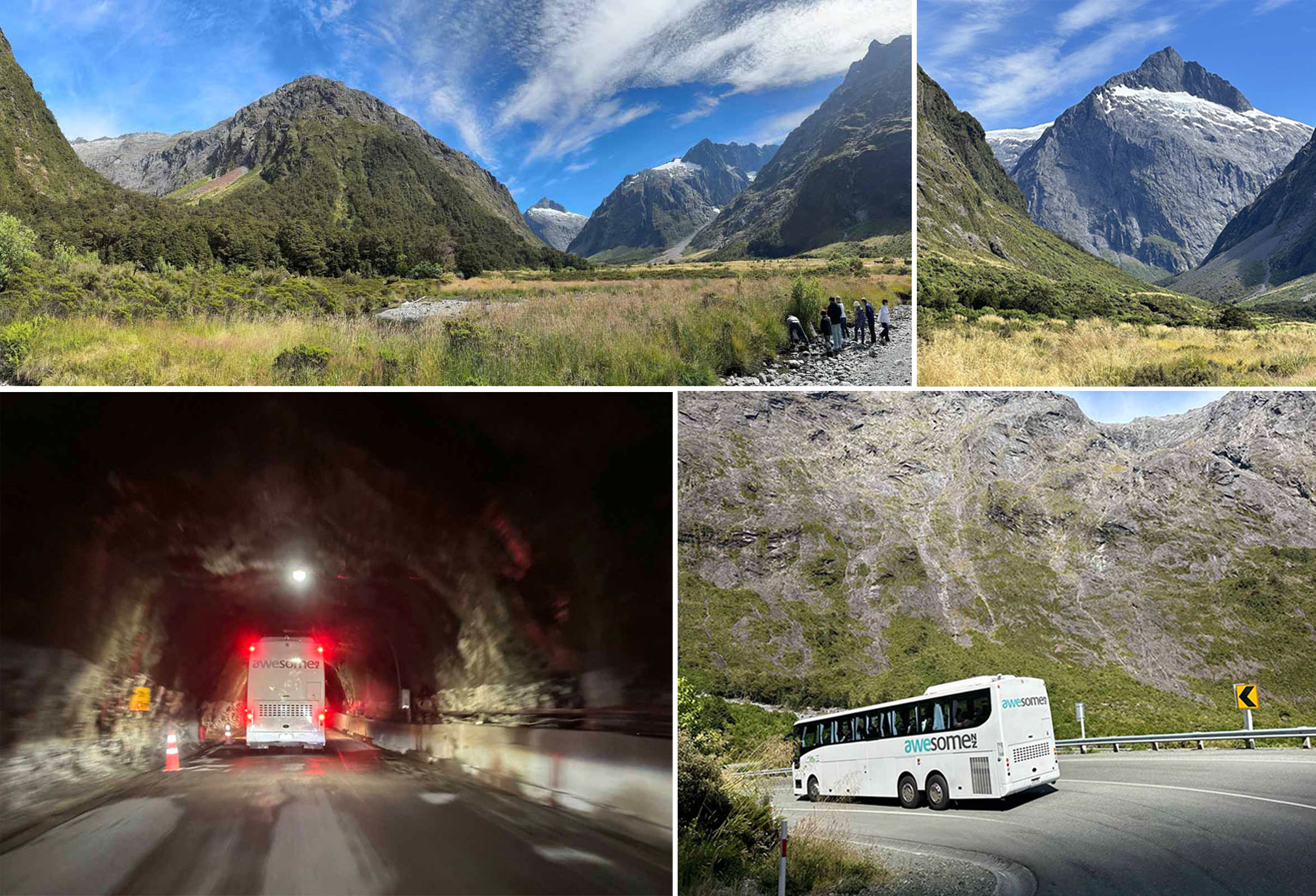
A tunnel through the mountains and a steep descent …………
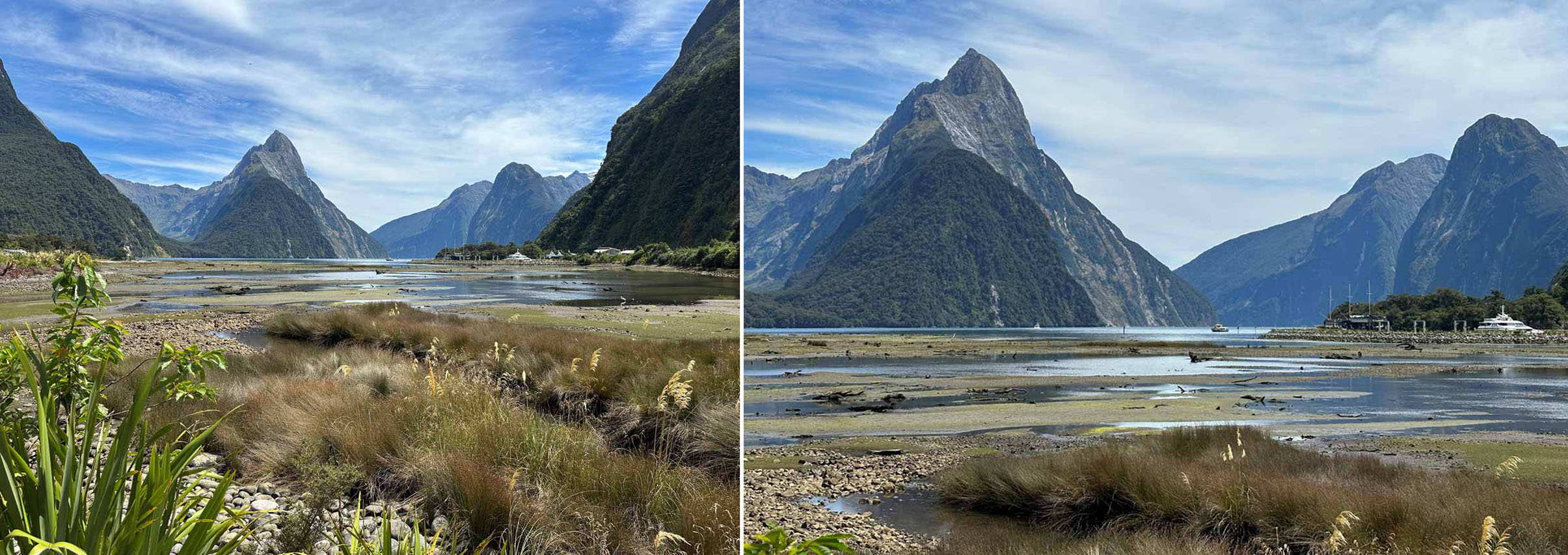
………….. brings us to Milford Sound.
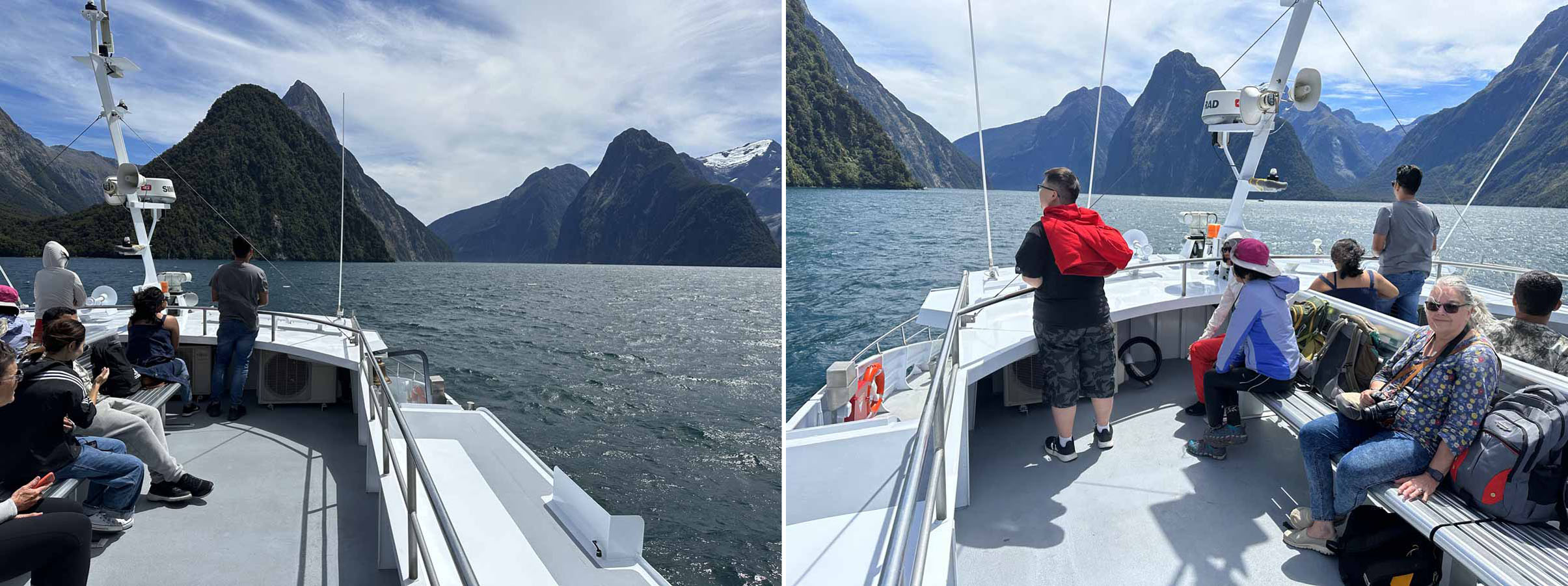
A fleet of sightseeing boats ensure there are at least hourly departures to explore the scenic delights of Milford Sound.
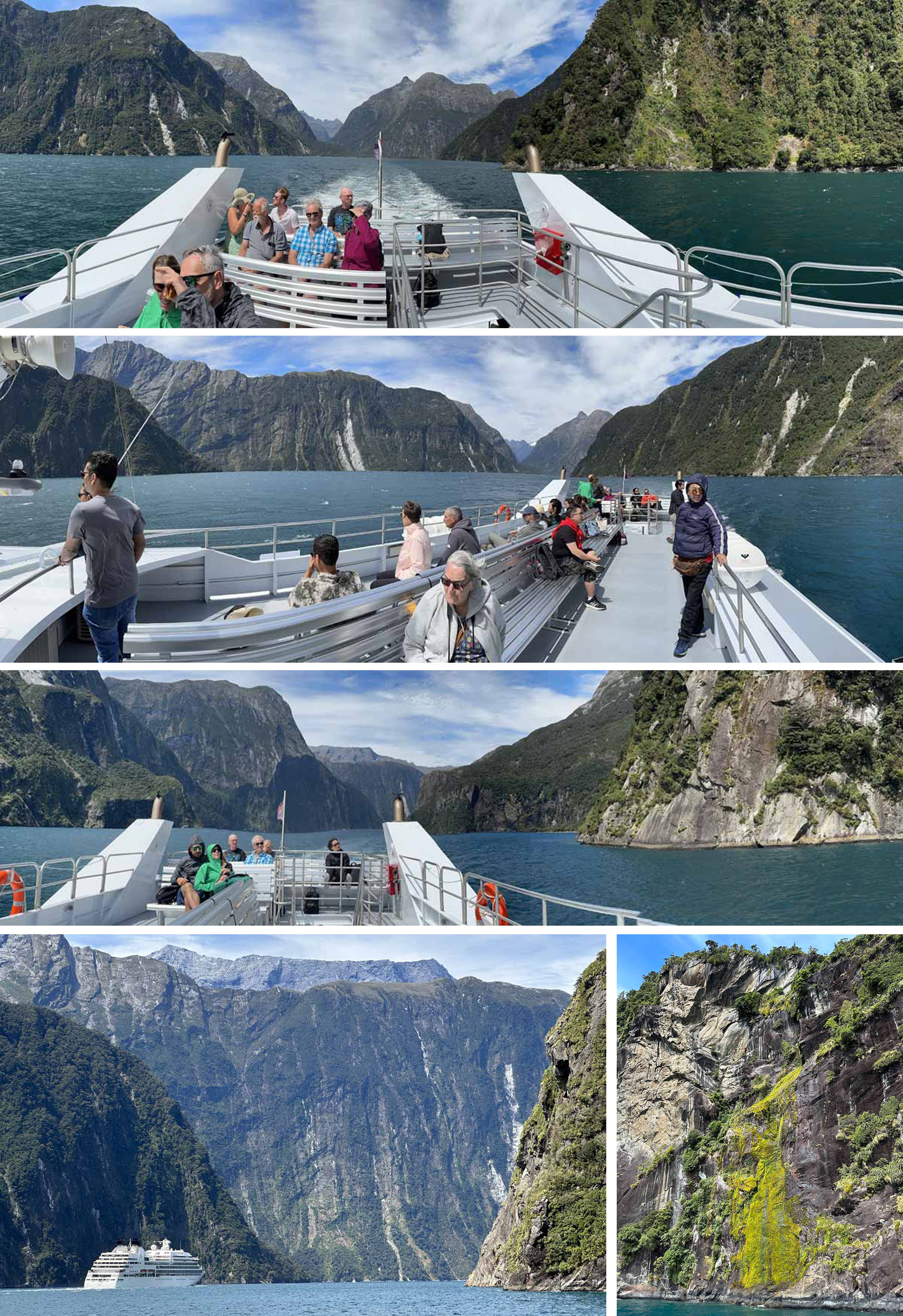
Oceangoing Cruise Liners will frequently visit Milford Sound.
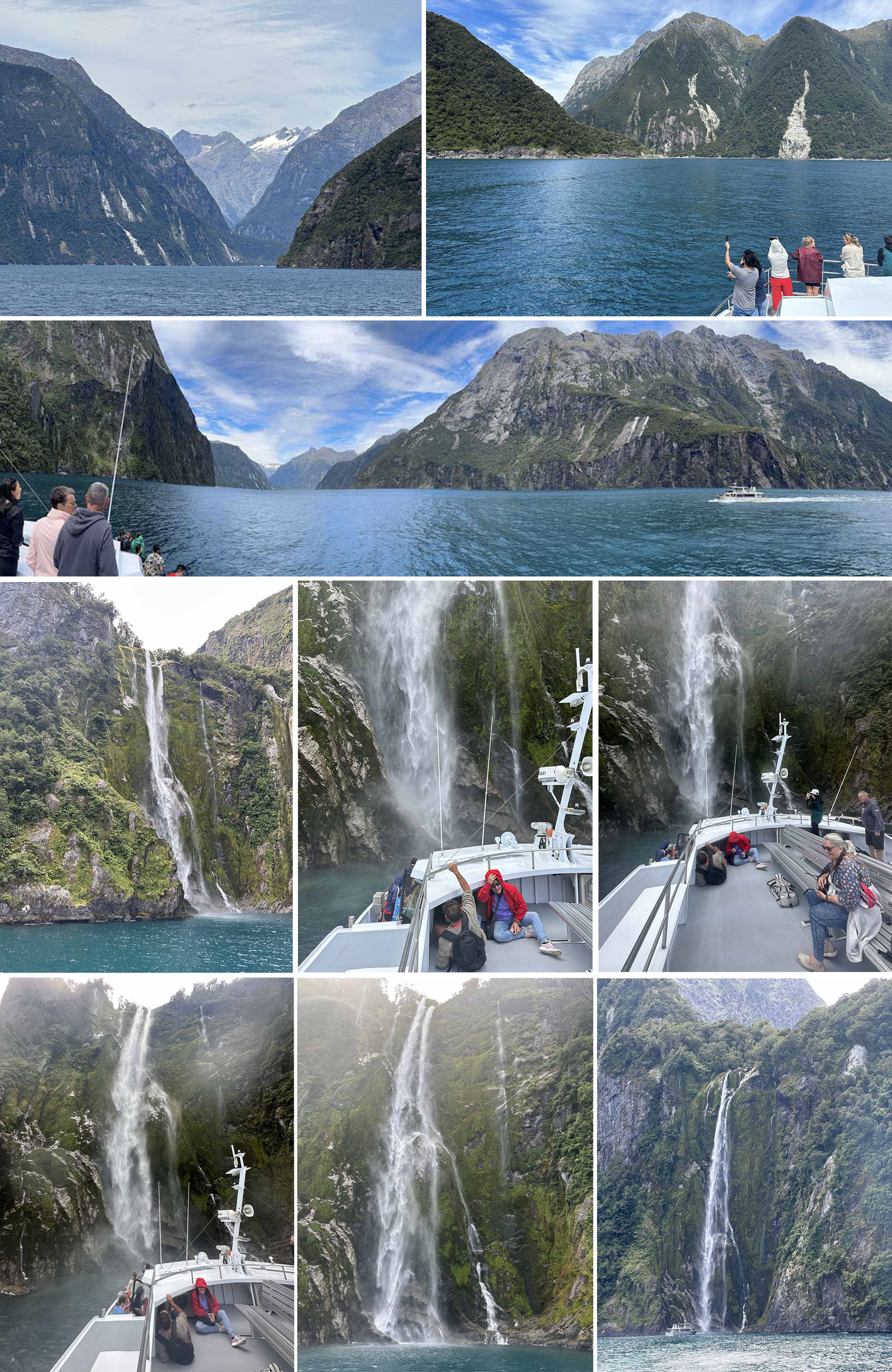
Milford Sound is adorned with many spectacular waterfalls.
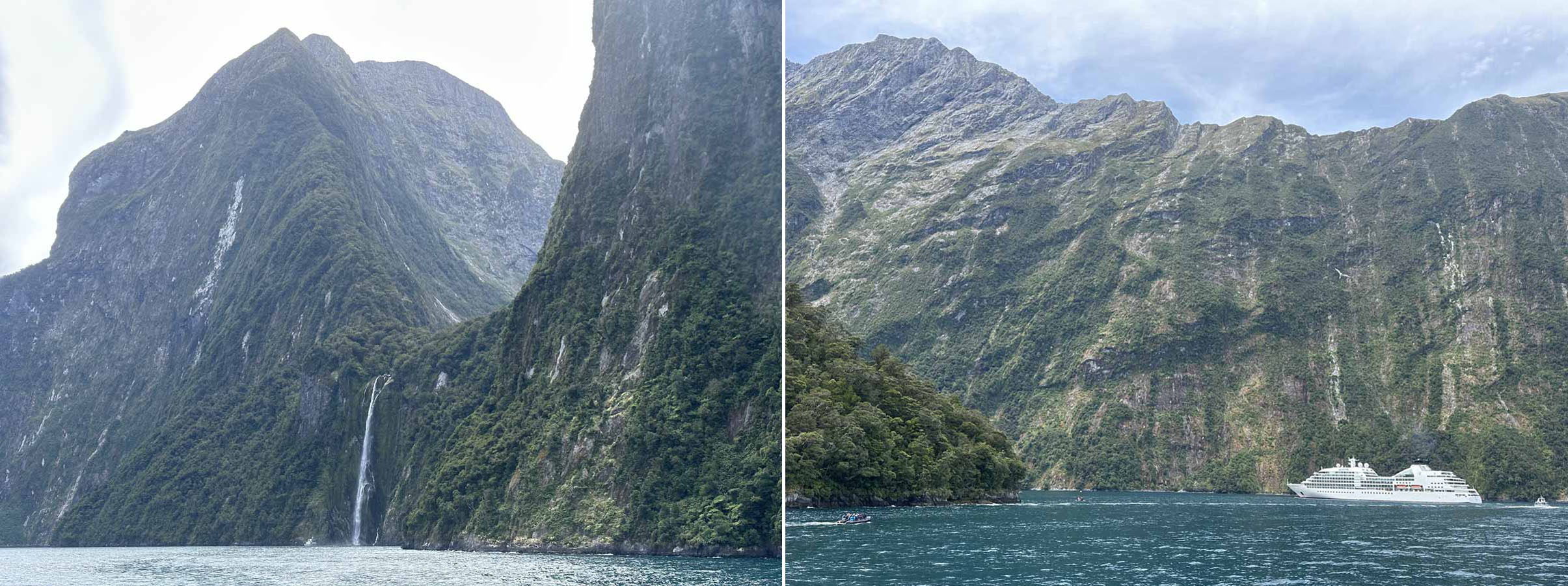
An outstanding example of a Hanging Valley.
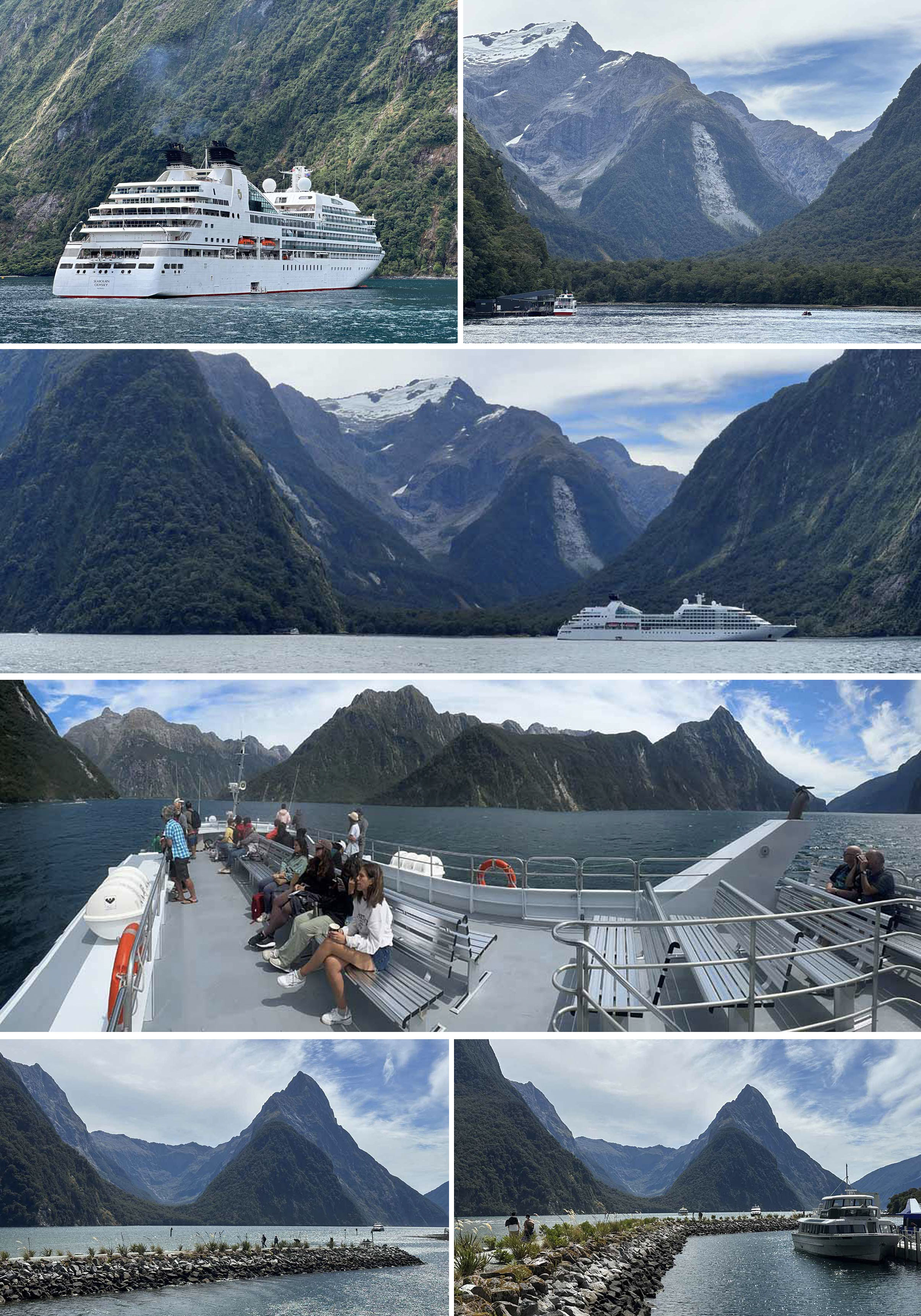
Mitre Peak dominates the land views of Milford Sound.
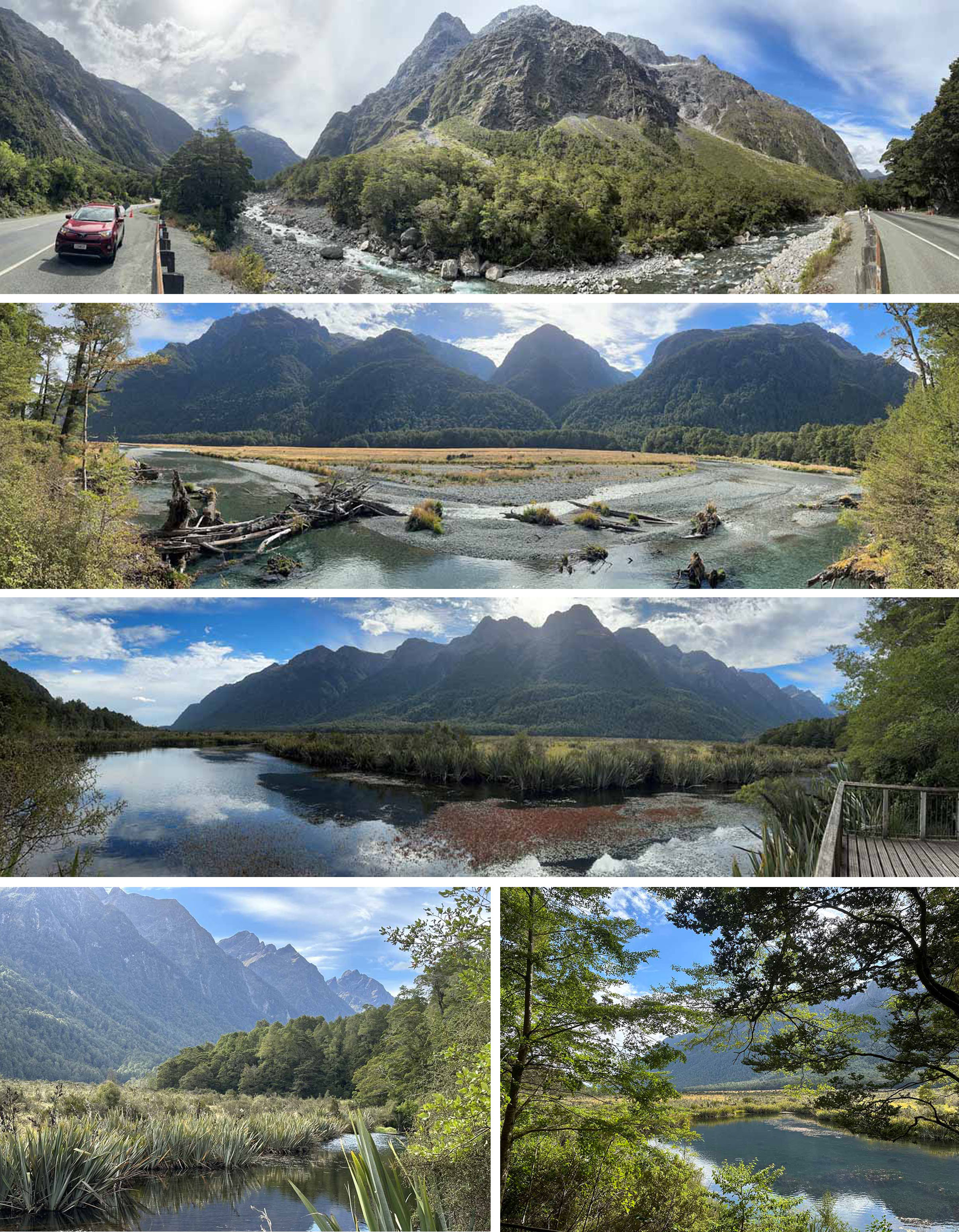
The return drive as we retraced our route to Te Anau was equally spectacular!
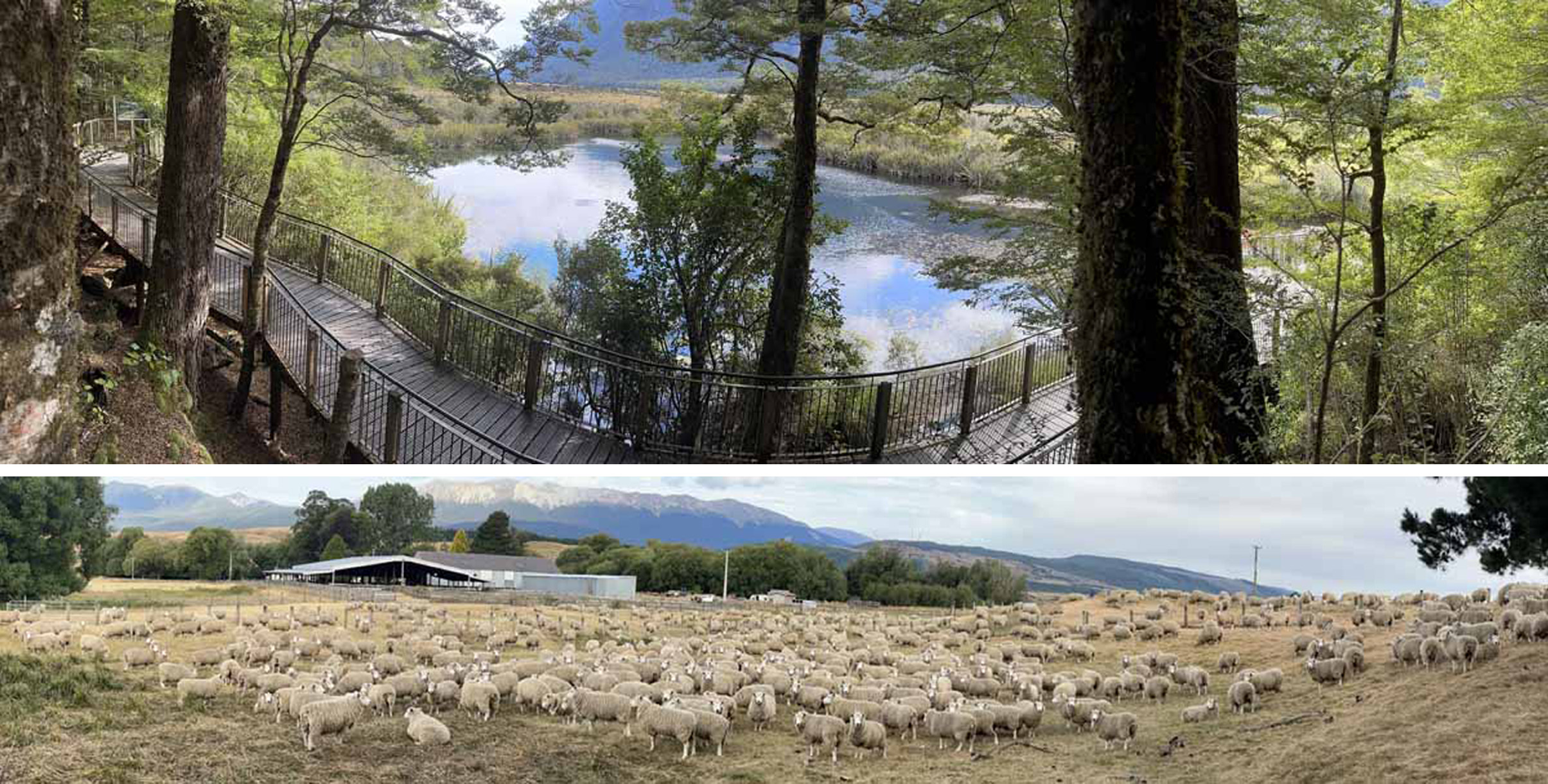
There are 25m sheep and 5m humans in New Zealand, a ratio of 5 to 1 but 40 years ago it was 22/1!
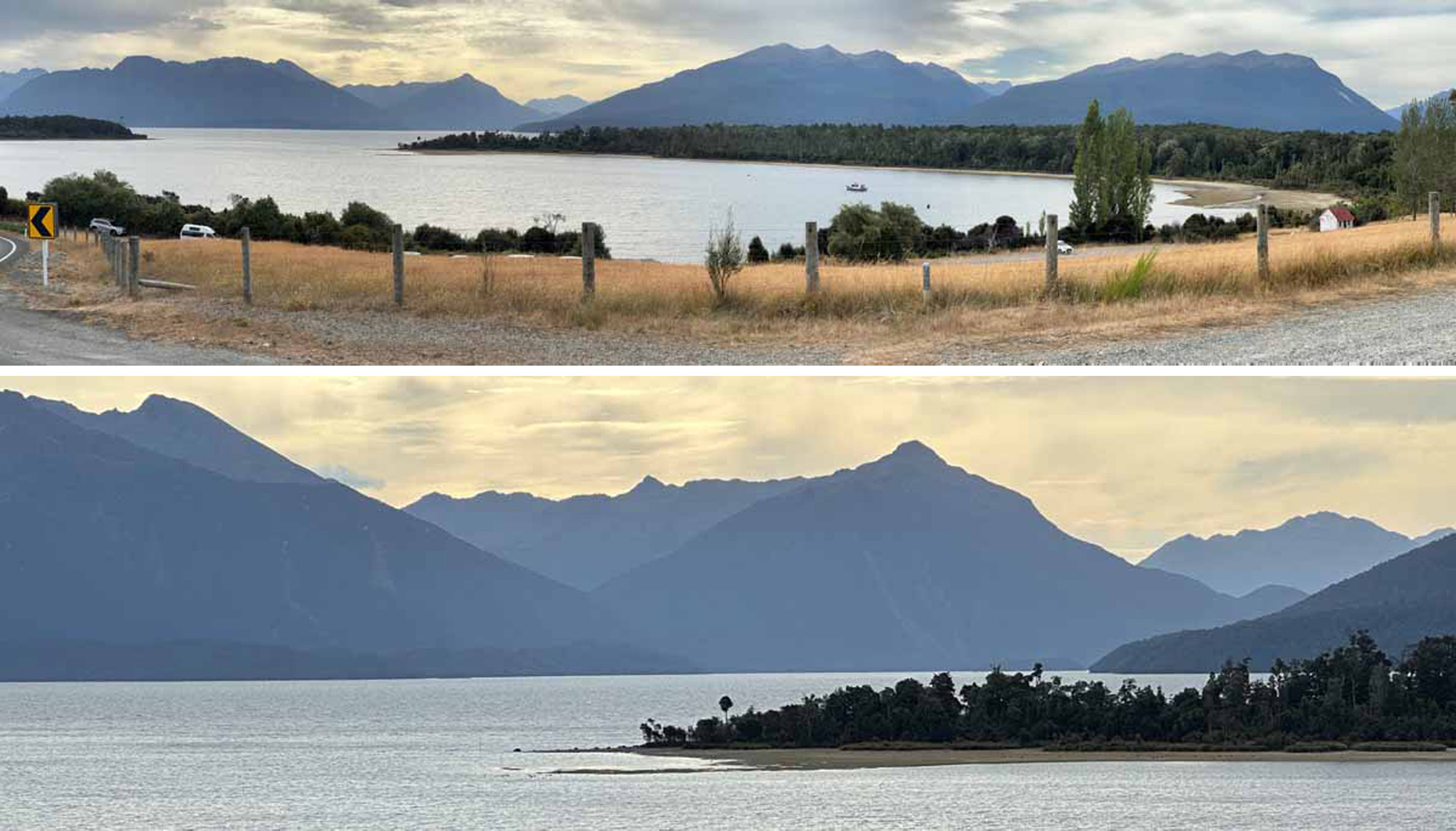
Back at Lake Te Anau.
Doubtful Sound Jan 31 2023
Doubtful Sound is the other famous fjord in the Southland area of New Zealand but visited by significantly fewer visitors as it is far more remote and difficult to access. There is only one licensed Operator who operates Boat Trips along the fjord and into the Tasman Sea. Tourists depart from Manapouri close to Te Anau, for a scenic crossing of Lake Manapouri before disembarking and taking a bus transfer ascending along a rugged track, crossing a Pass and then descending to arrive at Doubtful Sound. Known as the ‘Sound of Silence’, it is the deepest and second longest of the South Island’s fjords and was named by Captain Cook who did not enter the inlet as it appeared difficult to navigate.
The journey to Doubtful Sound begins with a crossing of Lake Manapouri
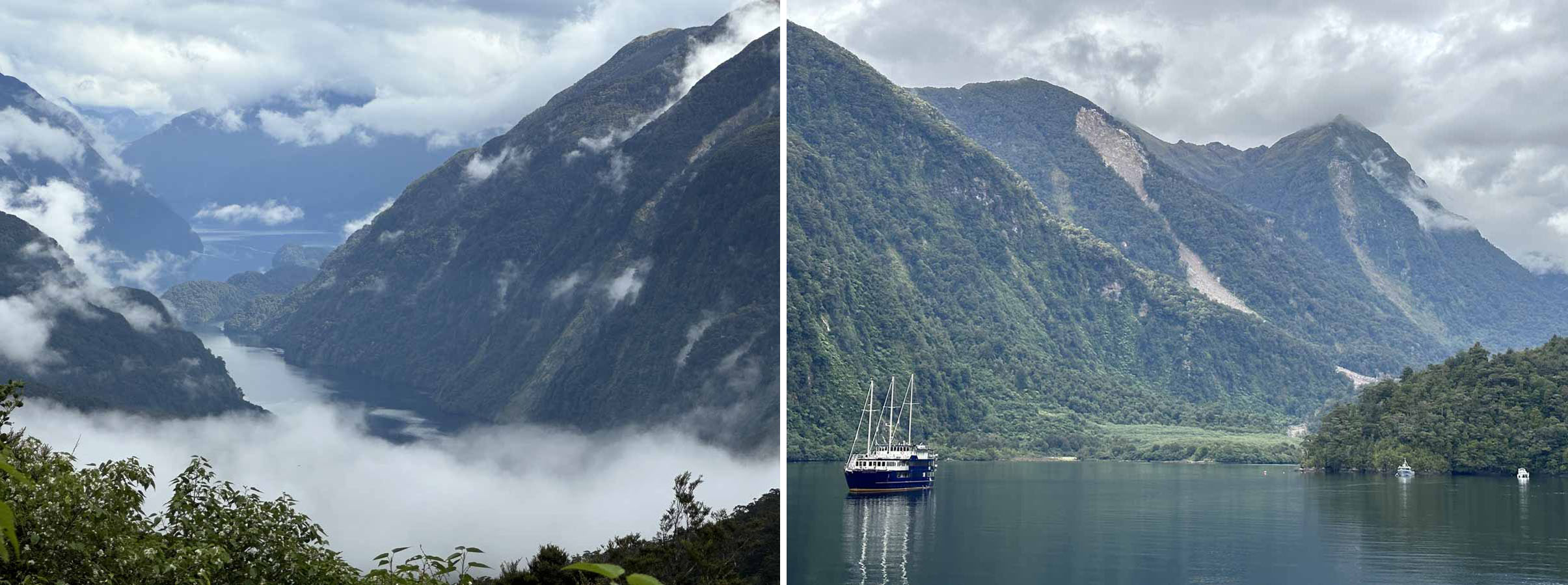
A Bus Transfer brought us to Doubtful Sound.
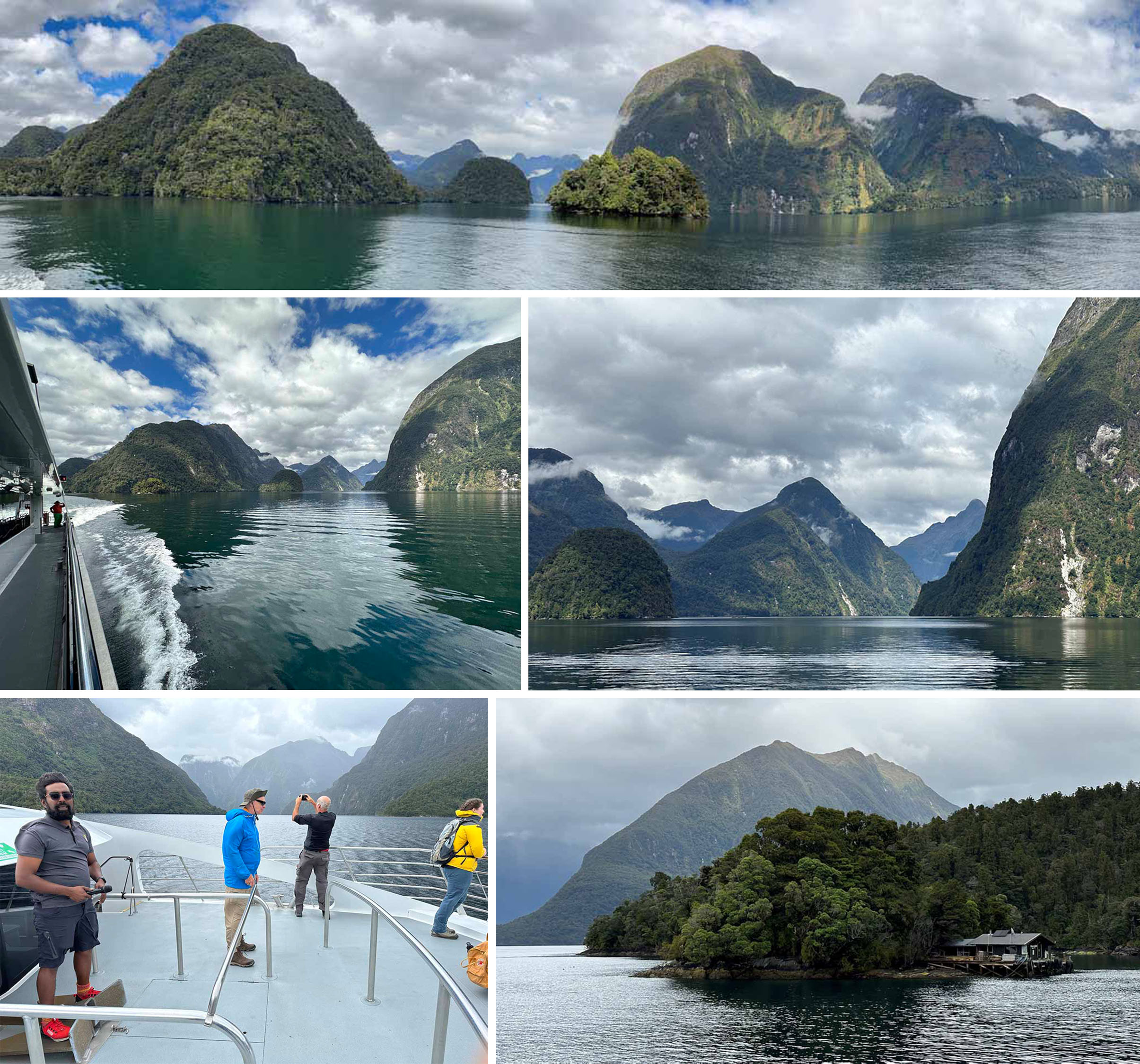
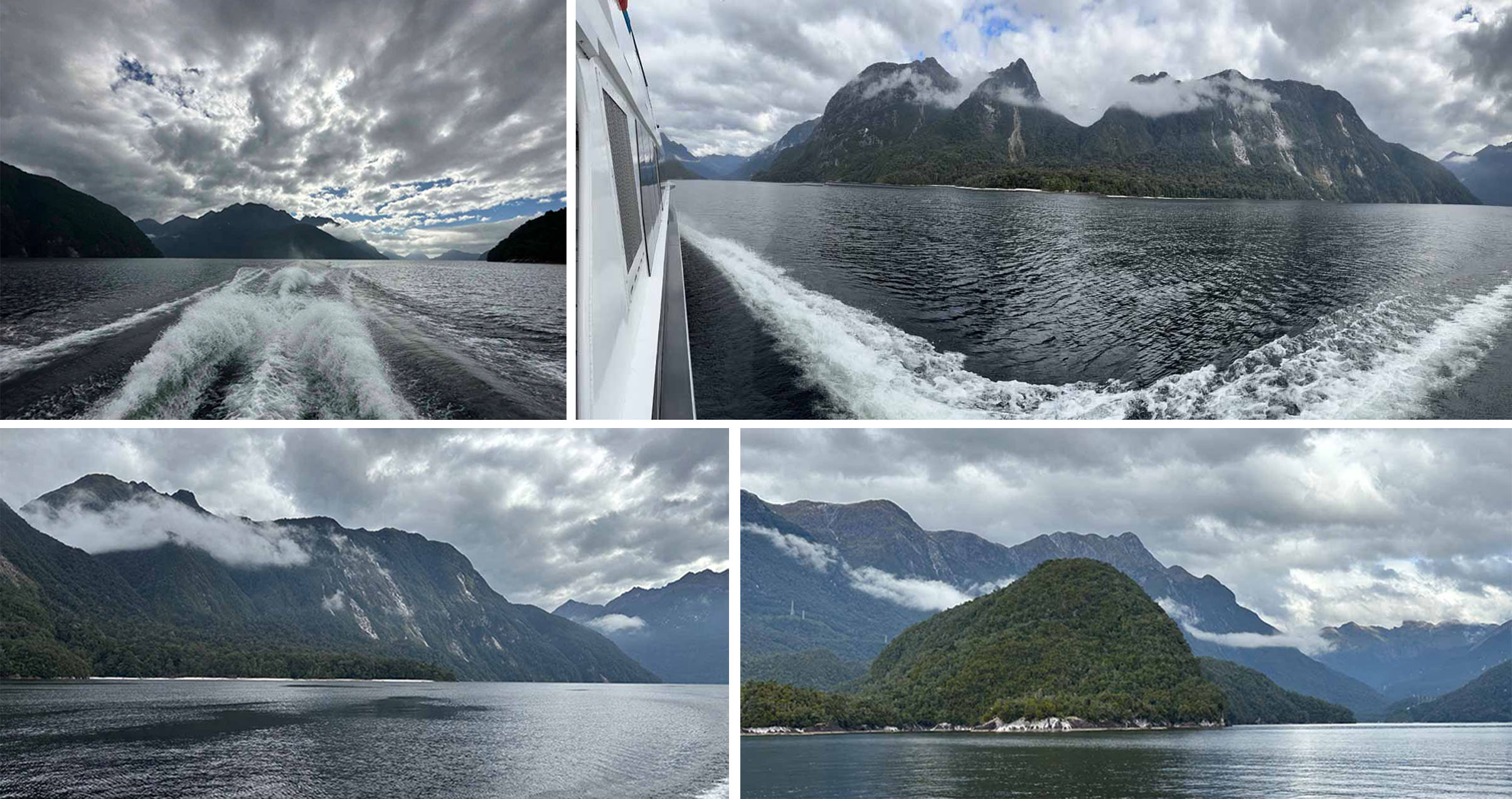
The tranquility has deservedly given Doubtful Sound the moniker of the ‘Sound of Silence’.

At the end of the fjord boats make a short incursion into the Tasman Sea……………..
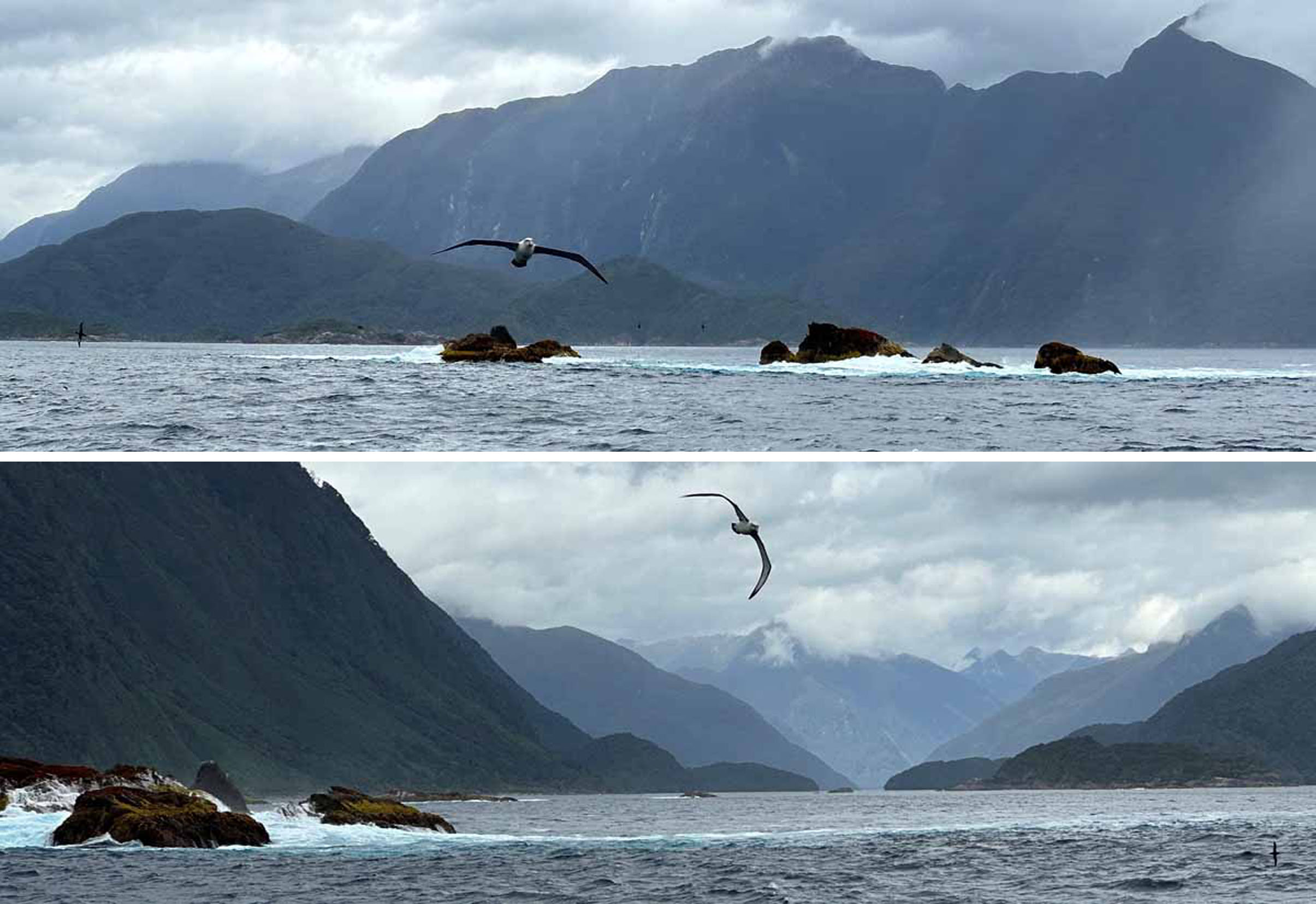
……………… where bird life is bountiful!
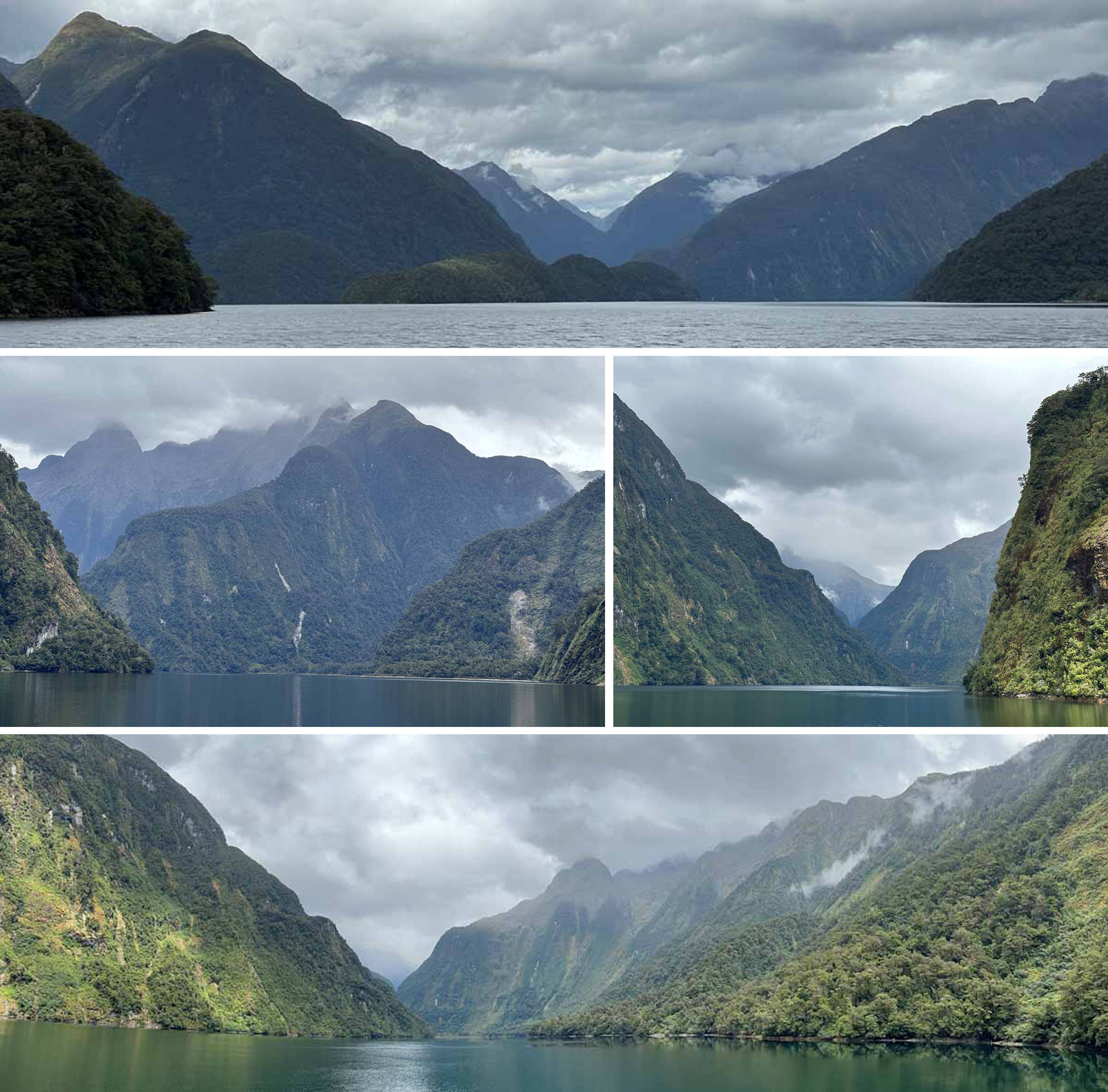
The ‘Sound of Silence’ indeed!

Admiring the spectacular scenery.
Postscript
We returned to Queenstown and joined up with our fellow travellers with whom would spend the next month travelling to and exploring the Ross Sea area of Antarctica which you can read about here
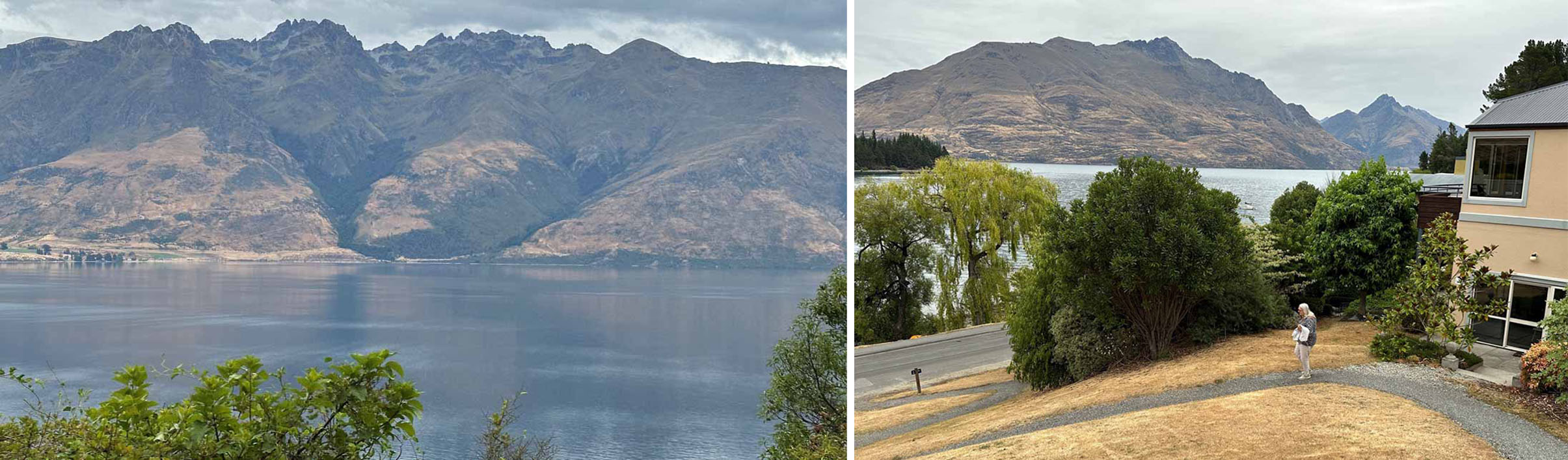
Admiring the spectacular scenery.
© Michael Bromfield
 Notes from a Nomad
April 18, 2025 at 11:48 AM
Excellent commentary and beautiful pictures.
I have checked out the route on my gazetteer.
Very interesting post but it has taken more than 2 years to send to your mailing list.
How can you lose your car keys so easily???