Of the three Celtic Nations that make up the British Isles – Ireland, Scotland, and Wales, it is by far Wales that is the least well known to overseas visitors.
Scotland with its Lochs, Mountains, Whisky, Golf courses and one of Europe’s most beautiful cities in Edinburgh, is a major international tourist destination whilst Ulster and Ireland attract many visitors seeking to discover their family roots after a significant percentage of the Irish population emigrated to the New World to escape poverty, search for wealth and pursue a new life.
By comparison, Wales is famous for the quality of its rugby and singing but has neither the family ties nor a major attraction as a drawing card, and as a result is by far the least well-known and visited of Britain’s three Celtic nations.
This is a great shame as Wales has a lot to offer, including some splendid mountain scenery and some very impressive ancient castles.
When in the UK, I am usually based in the West of England, little more than a couple of hours from South Wales. Consequently, I have used the relative proximity to make occasional visits to Cardiff, the largest city in Wales, and often the host of top-class international sporting fixtures, as well as being a venue featuring on the itineraries of many major concert tours.
Furthermore, over the years, both our Pension Plan and family property company has acquired a number of commercial properties in southern and western Wales, so over the years I have had reasons to make a number of short visits to Wales.
My plans for July 2024 involved competing in a Backgammon tournament in Wales, meeting up with childhood friend Julian, who was visiting the UK from his home in Australia, and helping my Filipino friend select a university to do a Master’s Degree in the UK.
Liverpool was the most convenient place to meet together with my photographer friend Paul, who now lives in central Wales and often visits his parents in Liverpool. Paul and I had met over 20 years ago, and he joined an expedition I led to the Rapu La, a 6550m pass at the foot of Everest’s North East Ridge, and we both enjoyed photographing the peaks and landscapes of the Tibetan Plateau and Himalaya.
This time, the 4 of us set off for a few days exploring the castles and coastline of North and West Wales, and the following is a selection of the images I took that will give you a flavour of this interesting region. Nowhere else in Great Britain is it possible to find so many splendid castles in such close proximity of each other.
Conway Castle
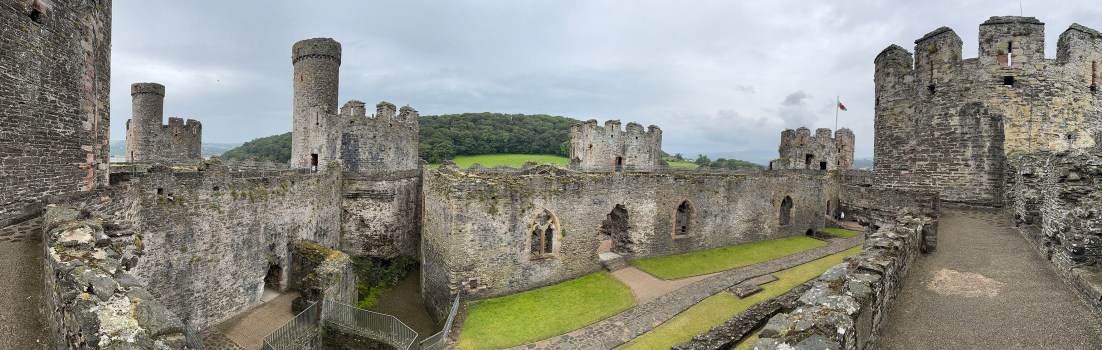
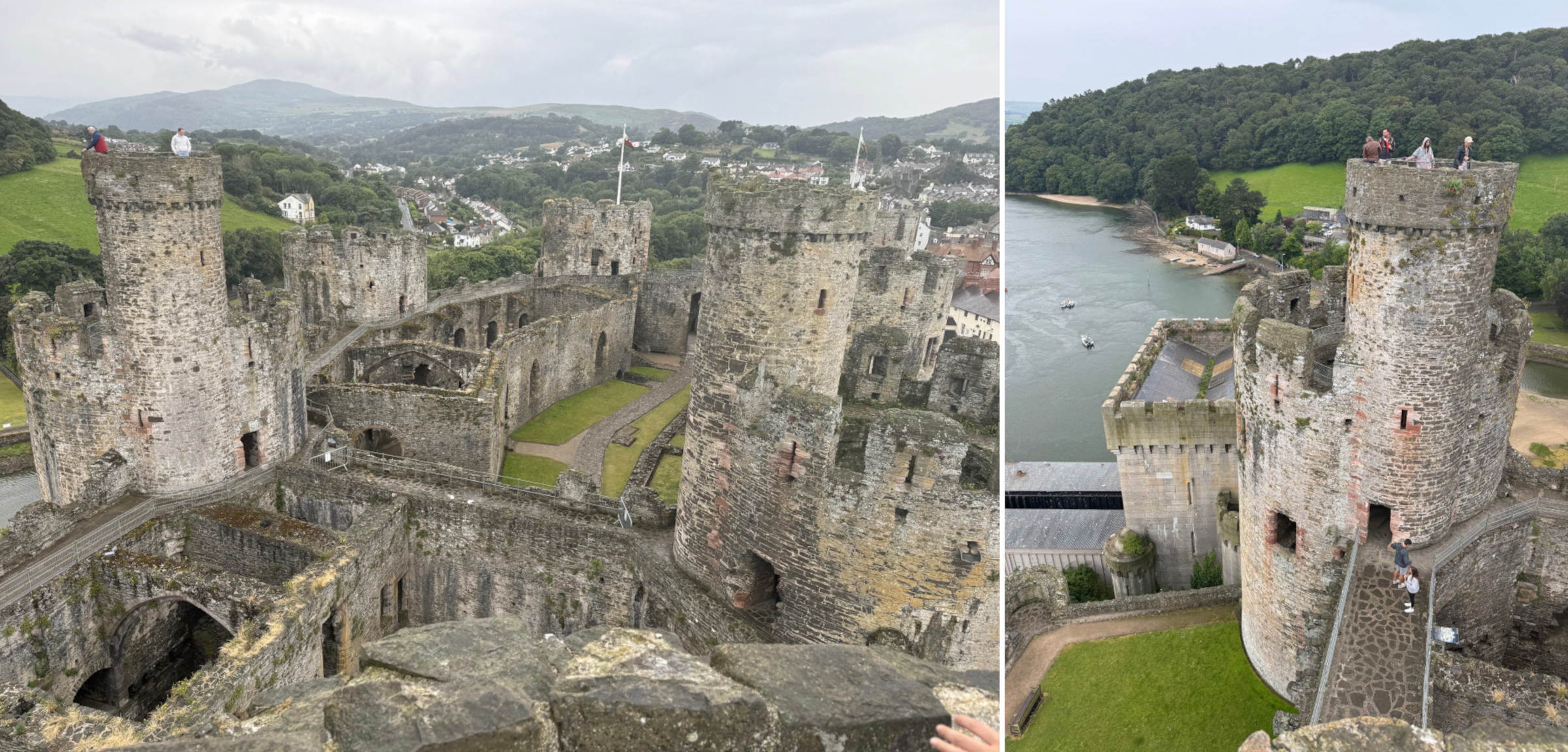
Little more than a 90-minute drive west from Liverpool is Conway Castle, one of the finest in the entire British Isles and built by Edward 1 during his conquest of Wales between 1283 and 1287.

Llandudno
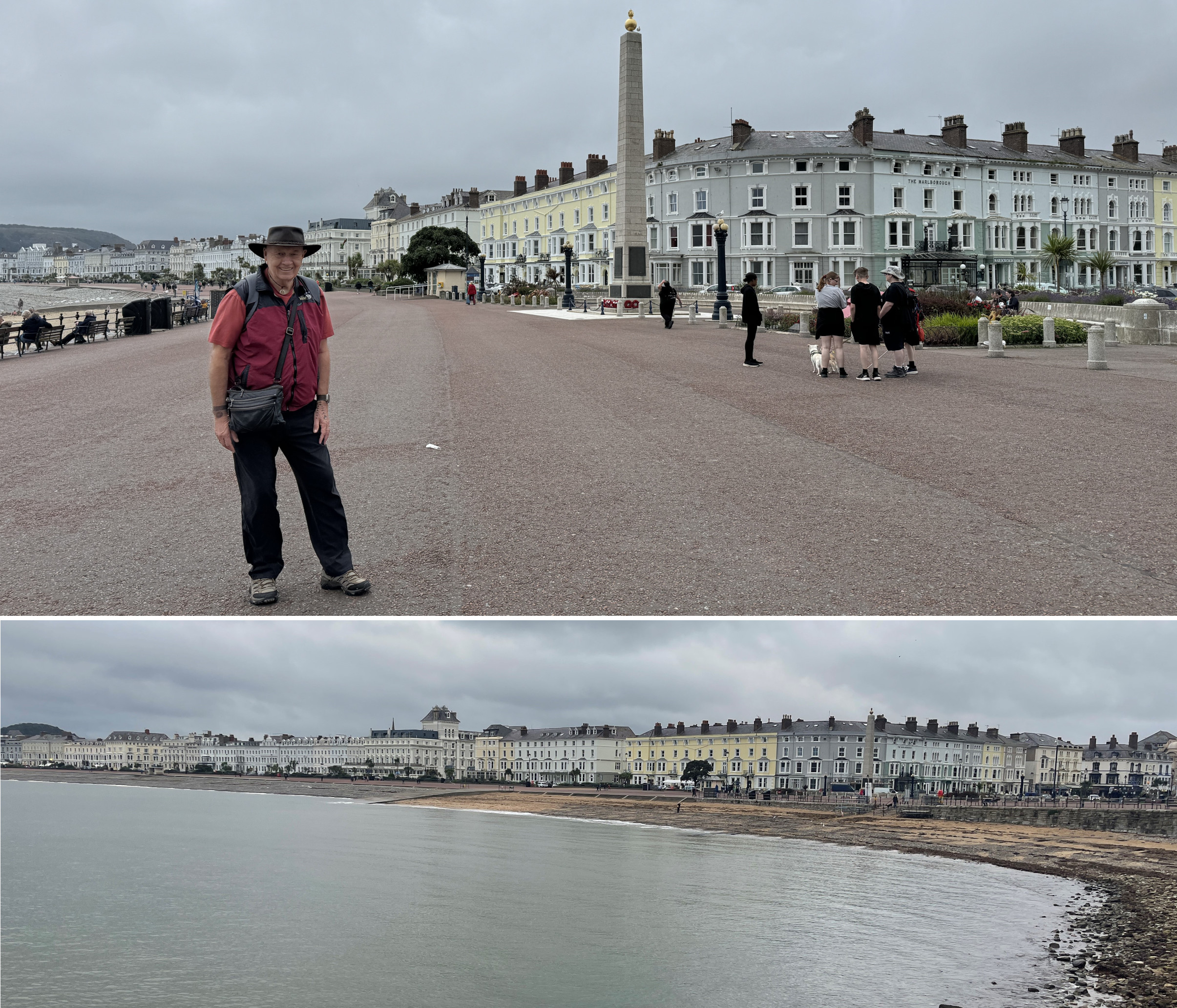
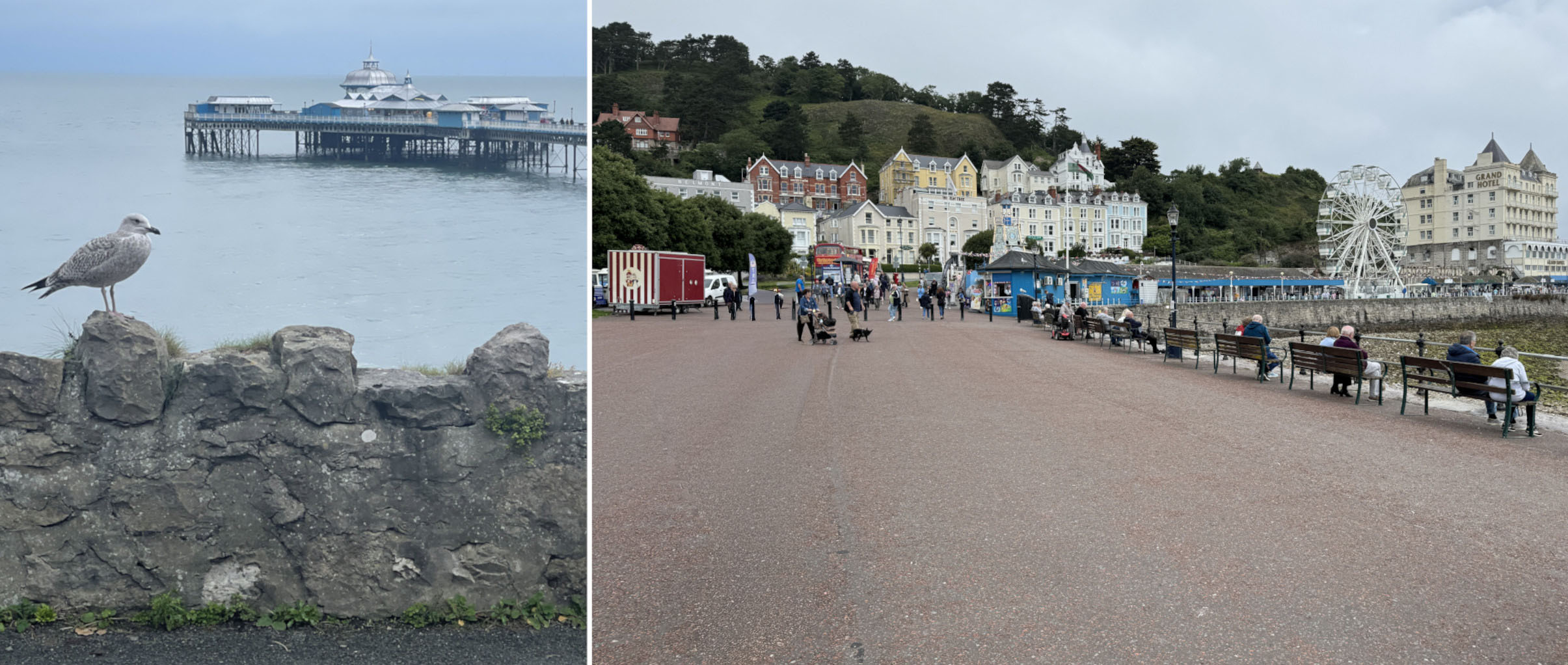
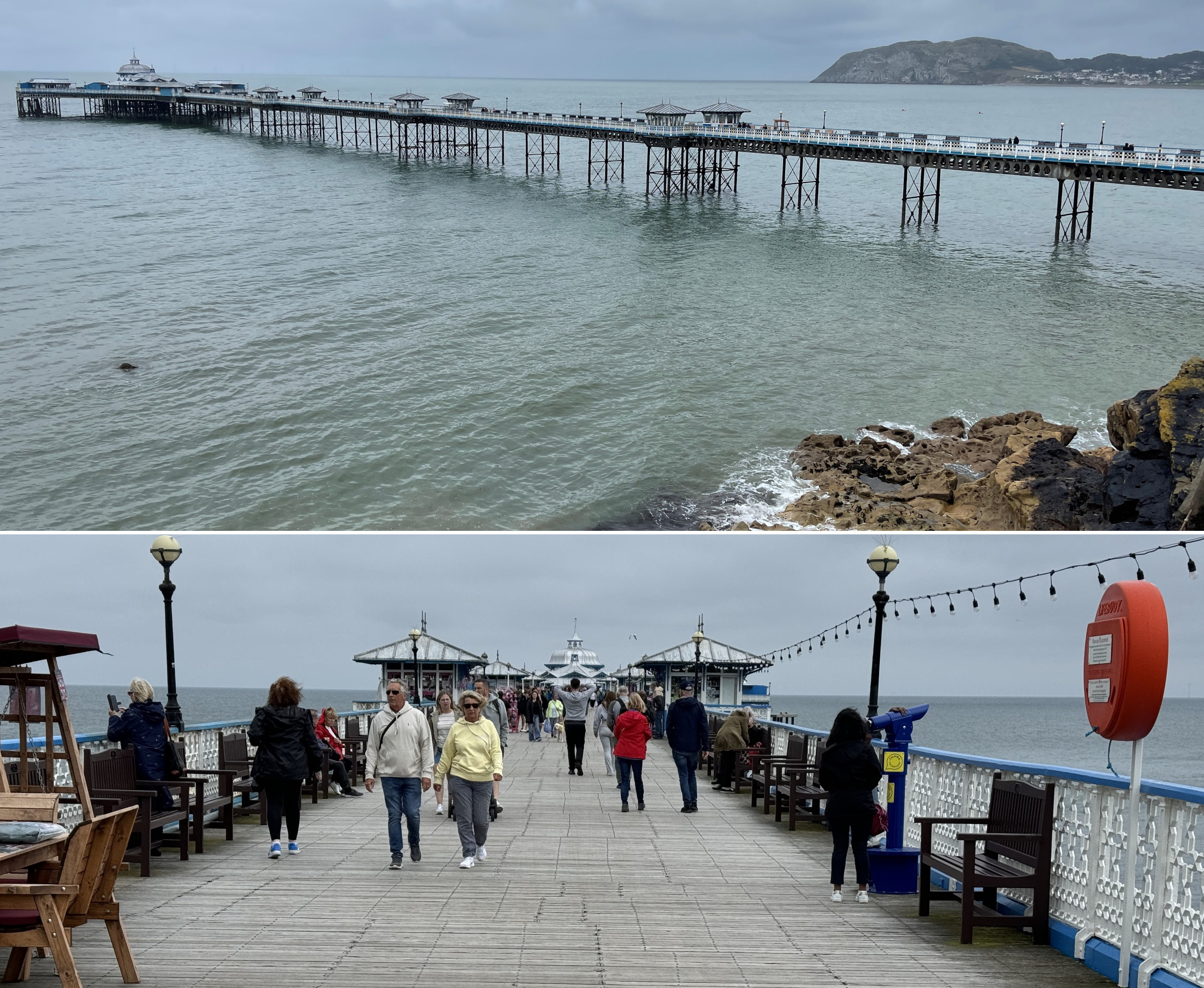
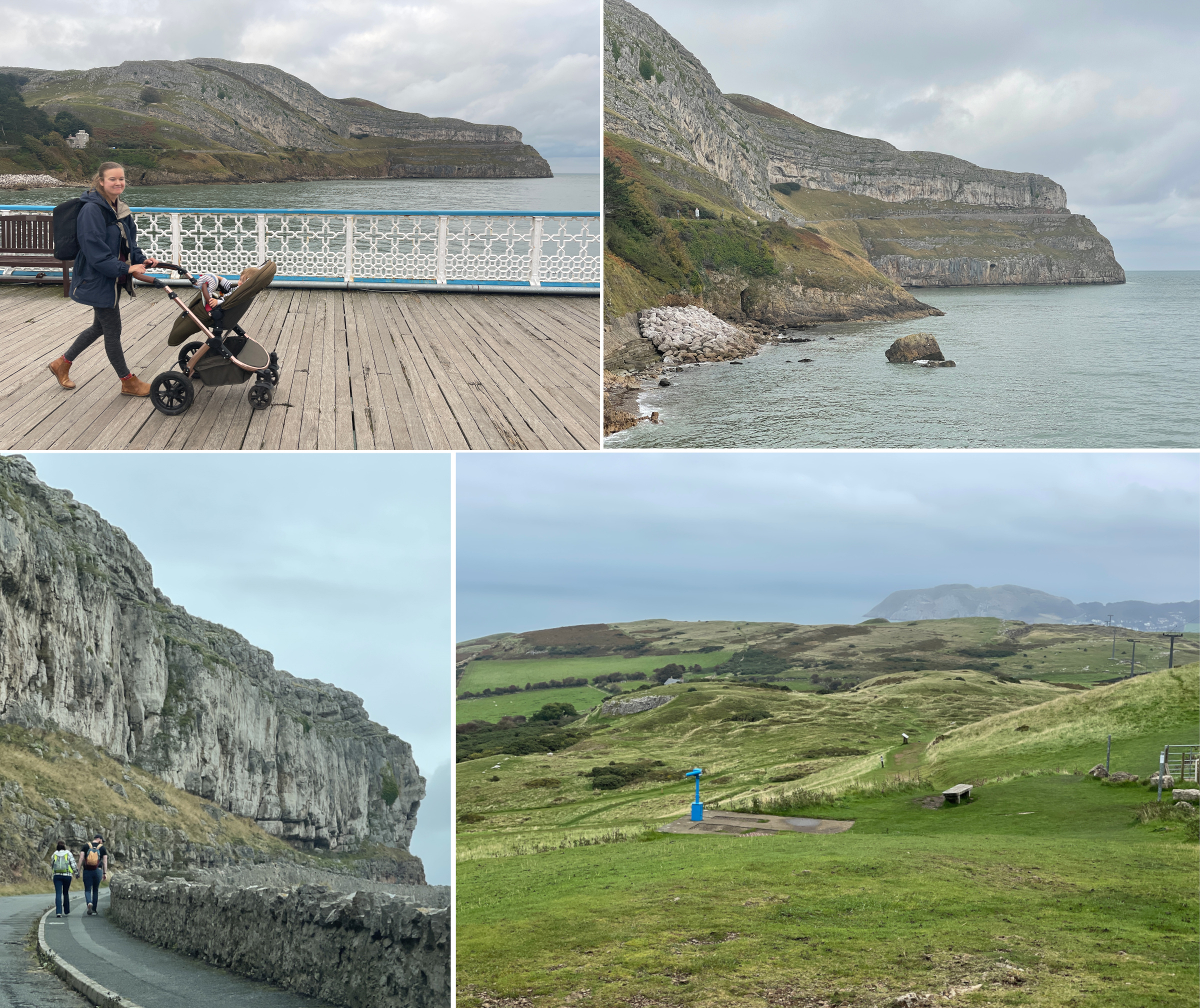
The holiday resort of Llandudno, located close to Conway, was popularised in the nineteenth century as a holiday destination for factory workers from Liverpool and the cotton mills and factories of northwest England. Its architecture and traditional holiday attractions, including its famous pier, are reminders of a bygone era. The limestone Great Orme Headland to the north of Llandudno has been settled since prehistoric times and is a haven for flora and fauna.

Caernarfon Castle
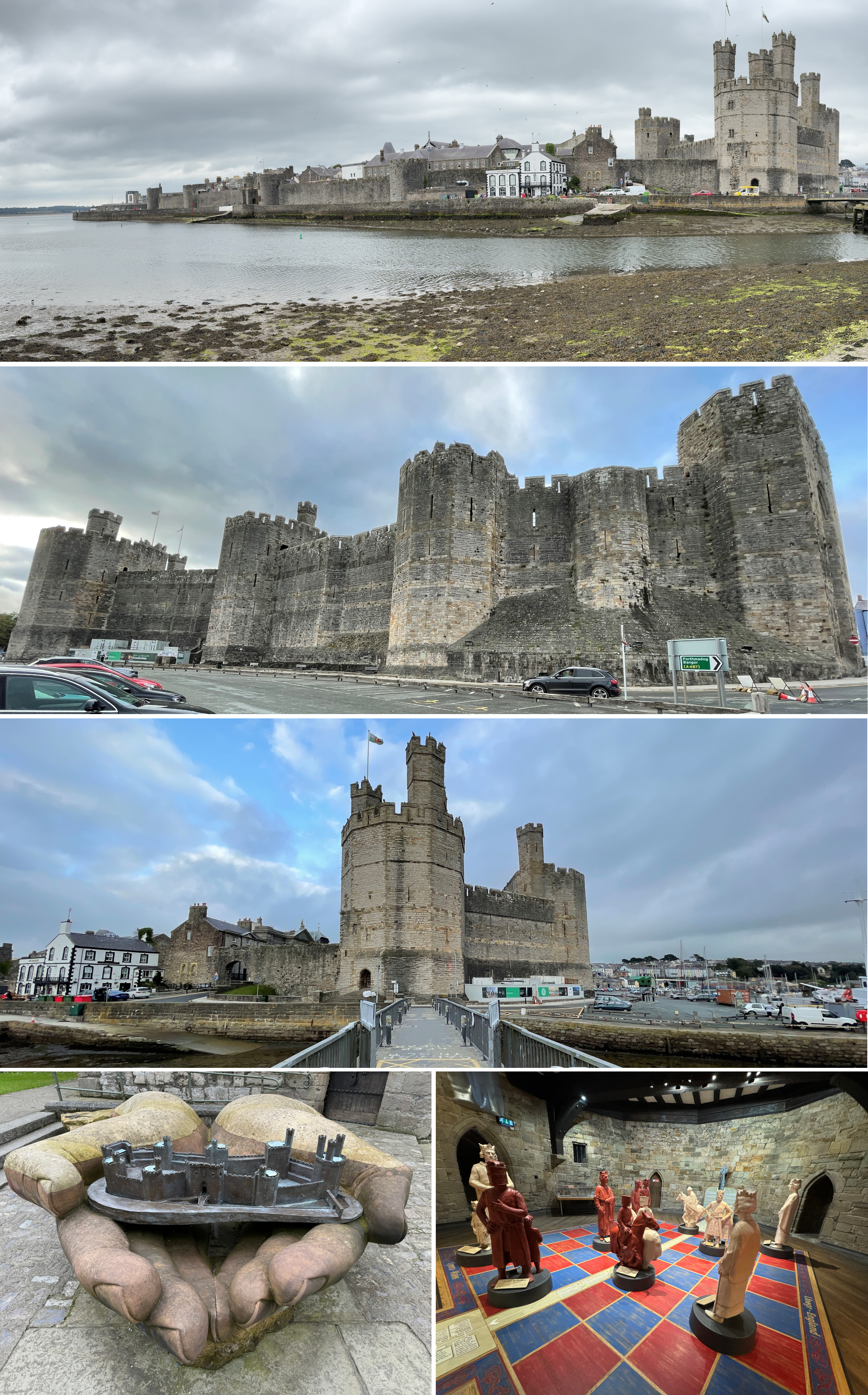
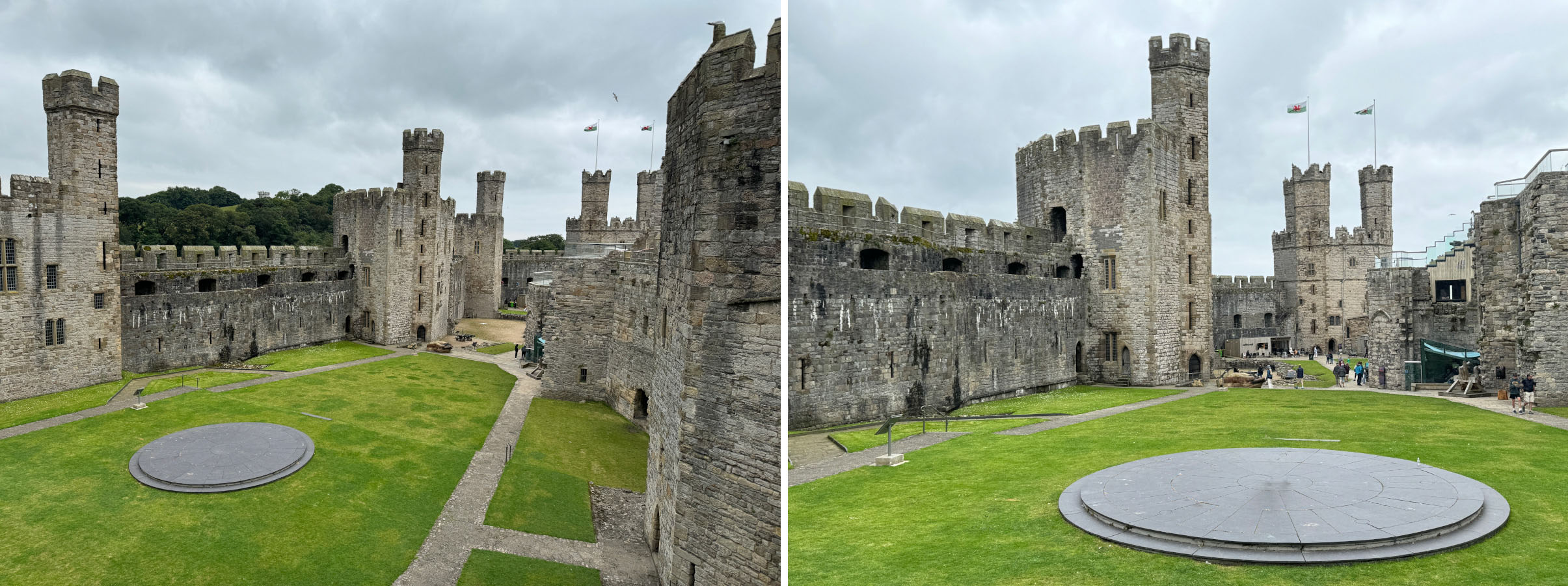
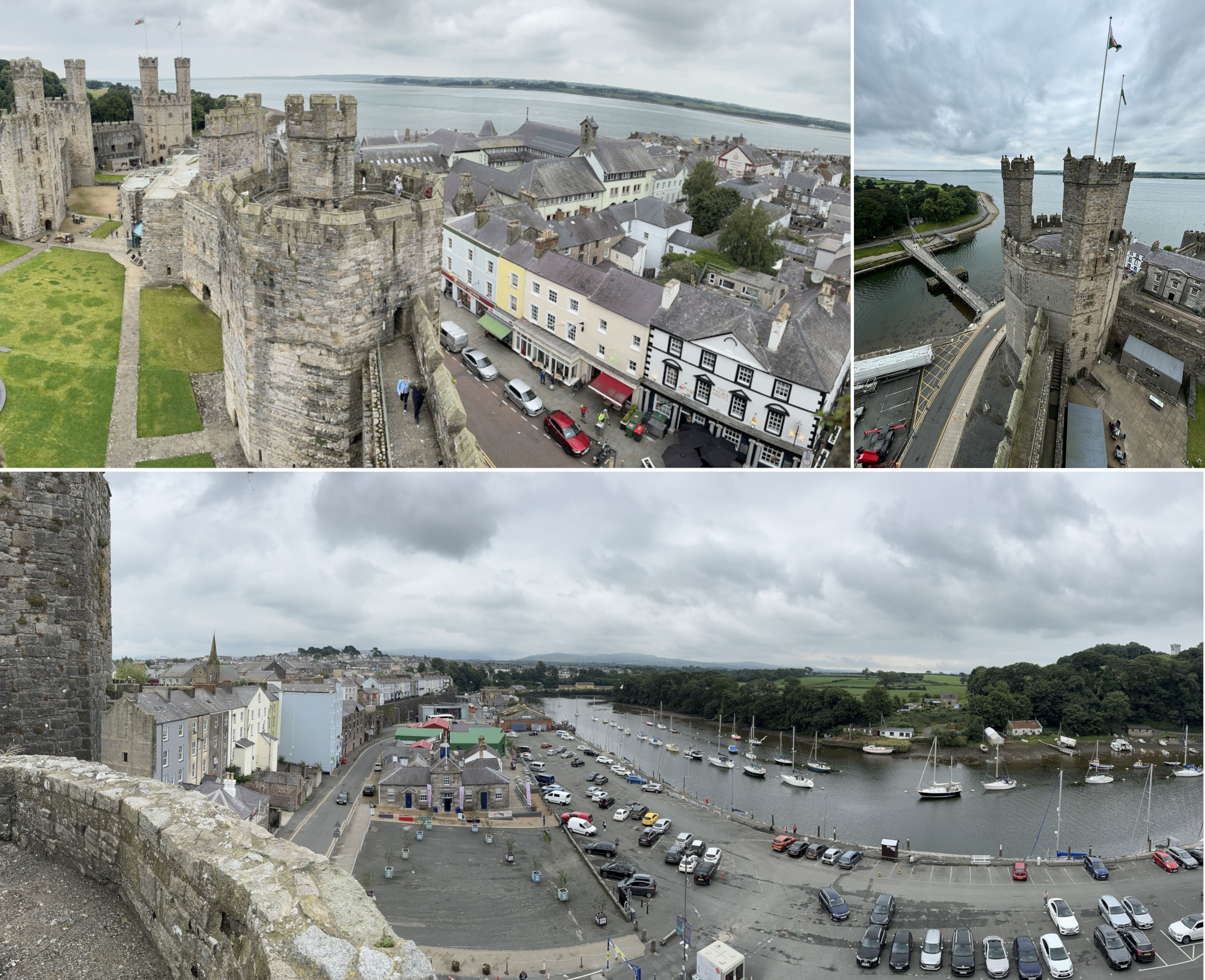
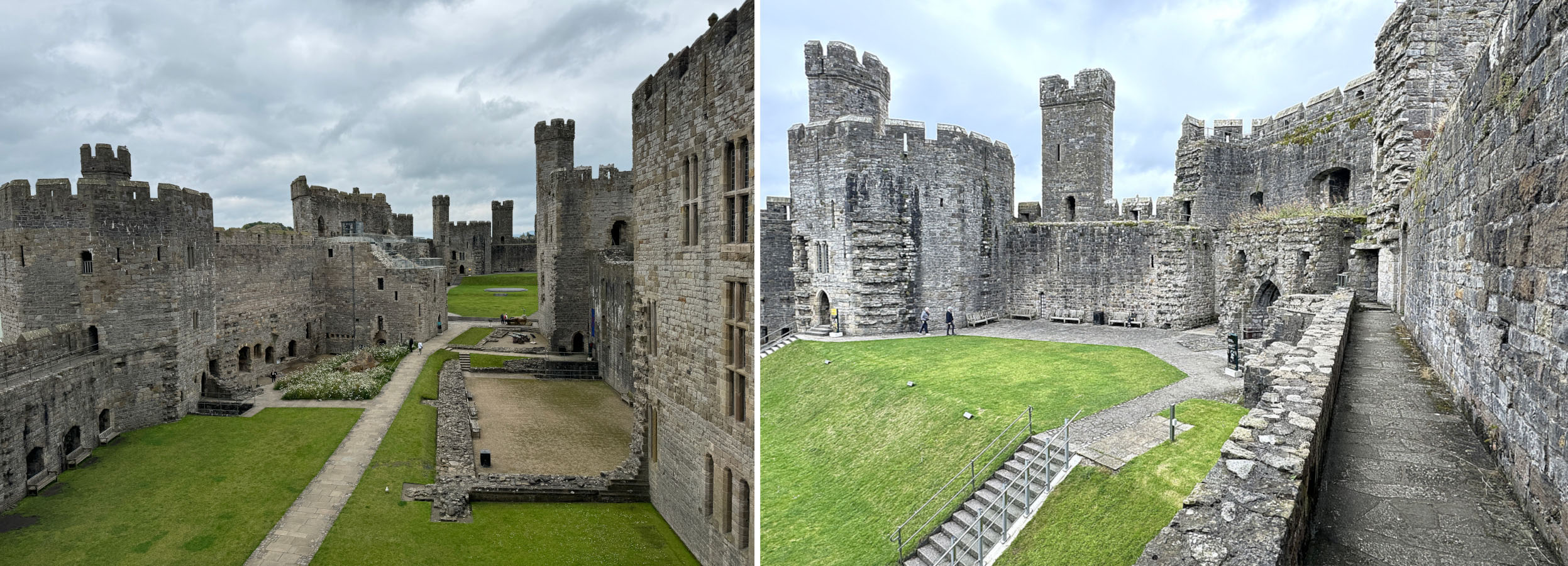
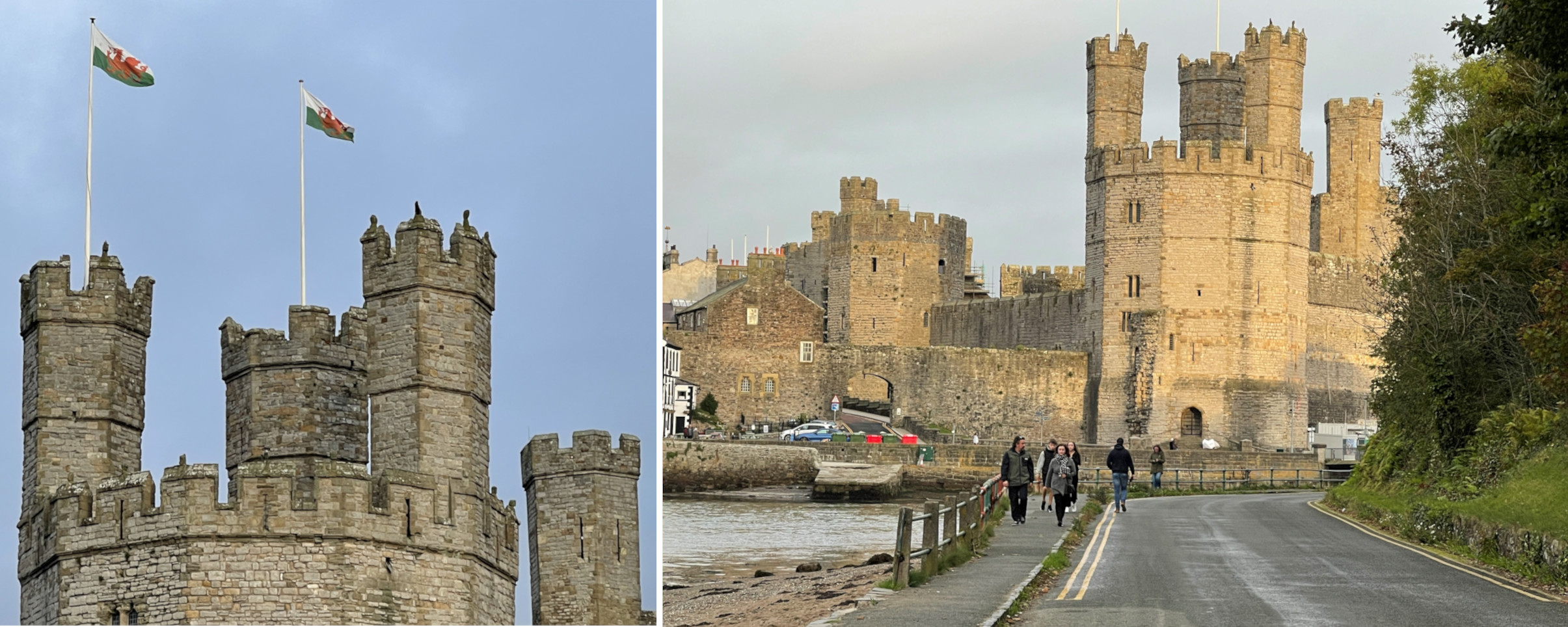
Caernarfon is certainly the most famous and perhaps the most imposing of the castles built by Edward 1 and dates from 1283 and was the site for the investiture of the present King Charles as the Prince of Wales in 1969
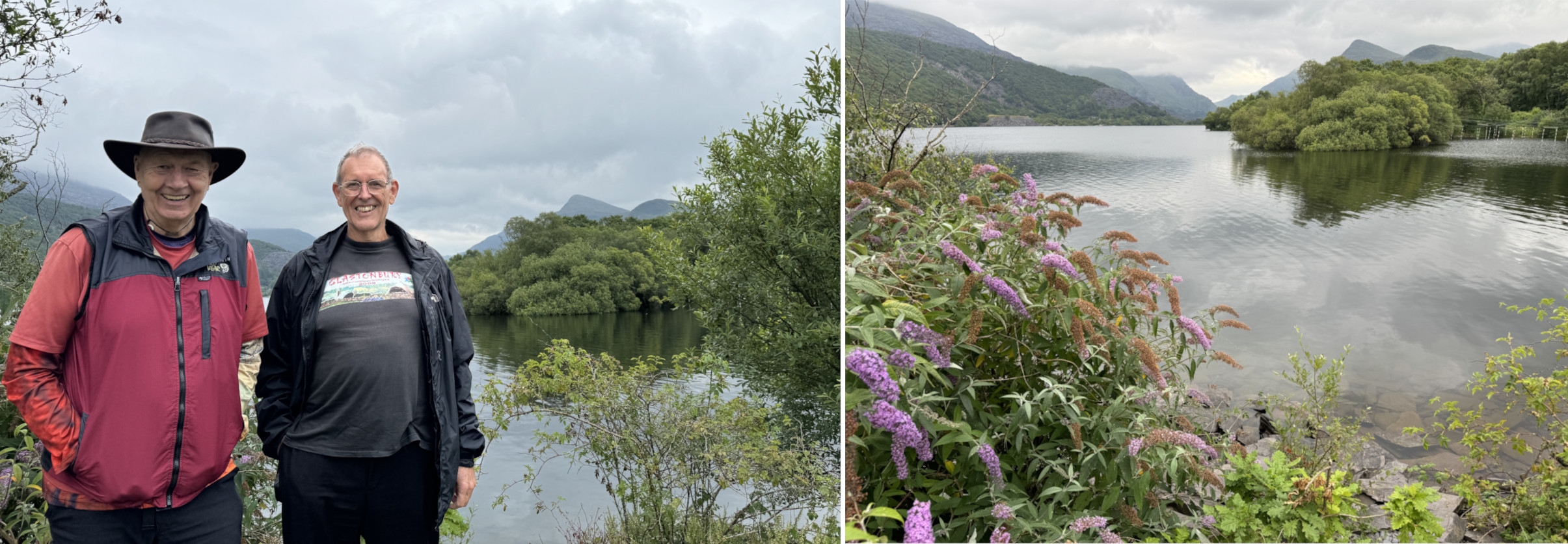
Snowdonia
The mountain area of Snowdonia in North Wales is one of the three main mountain areas in Great Britain, the others being the Scottish Highlands and the English Lake District.

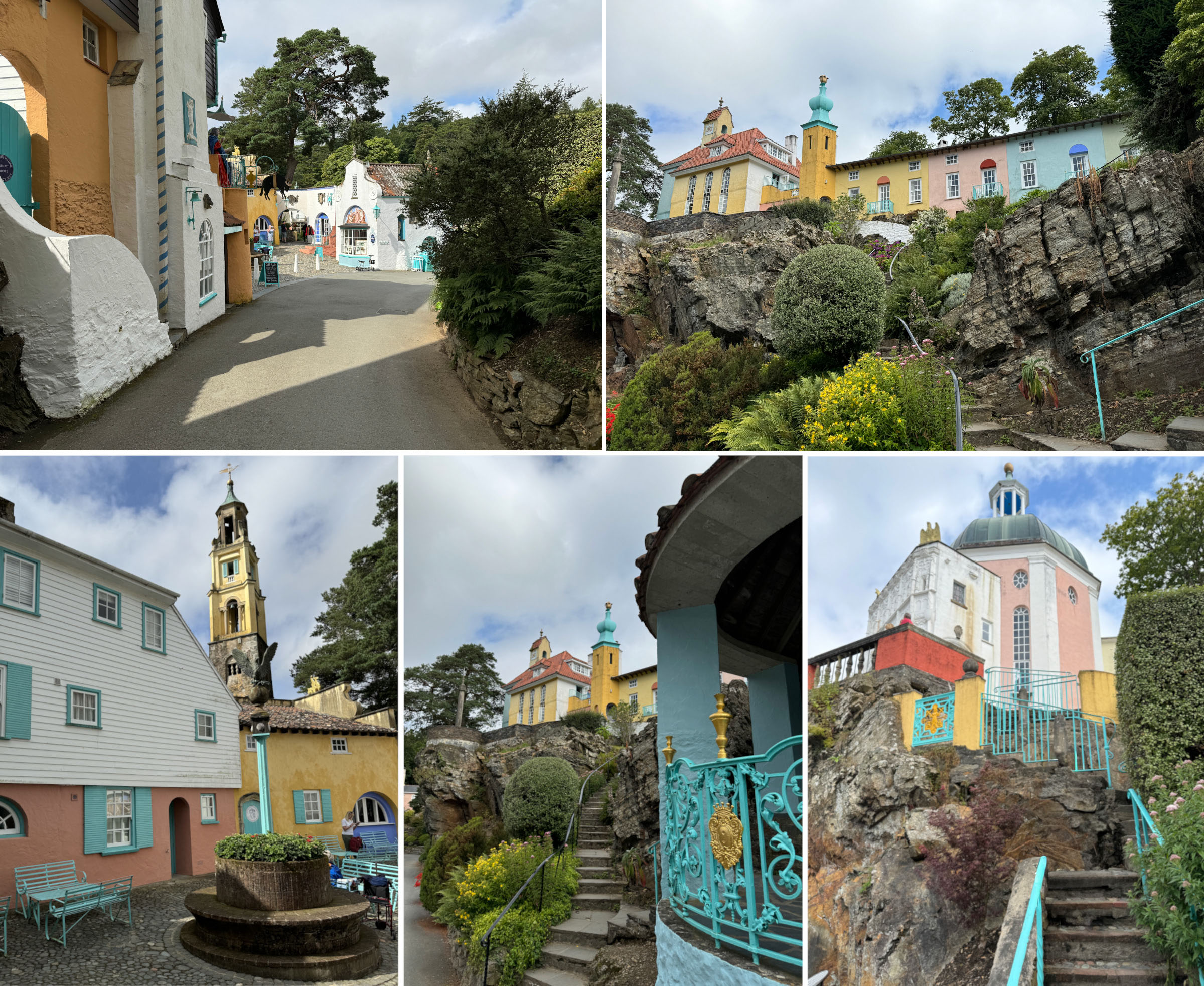
Portmeirion
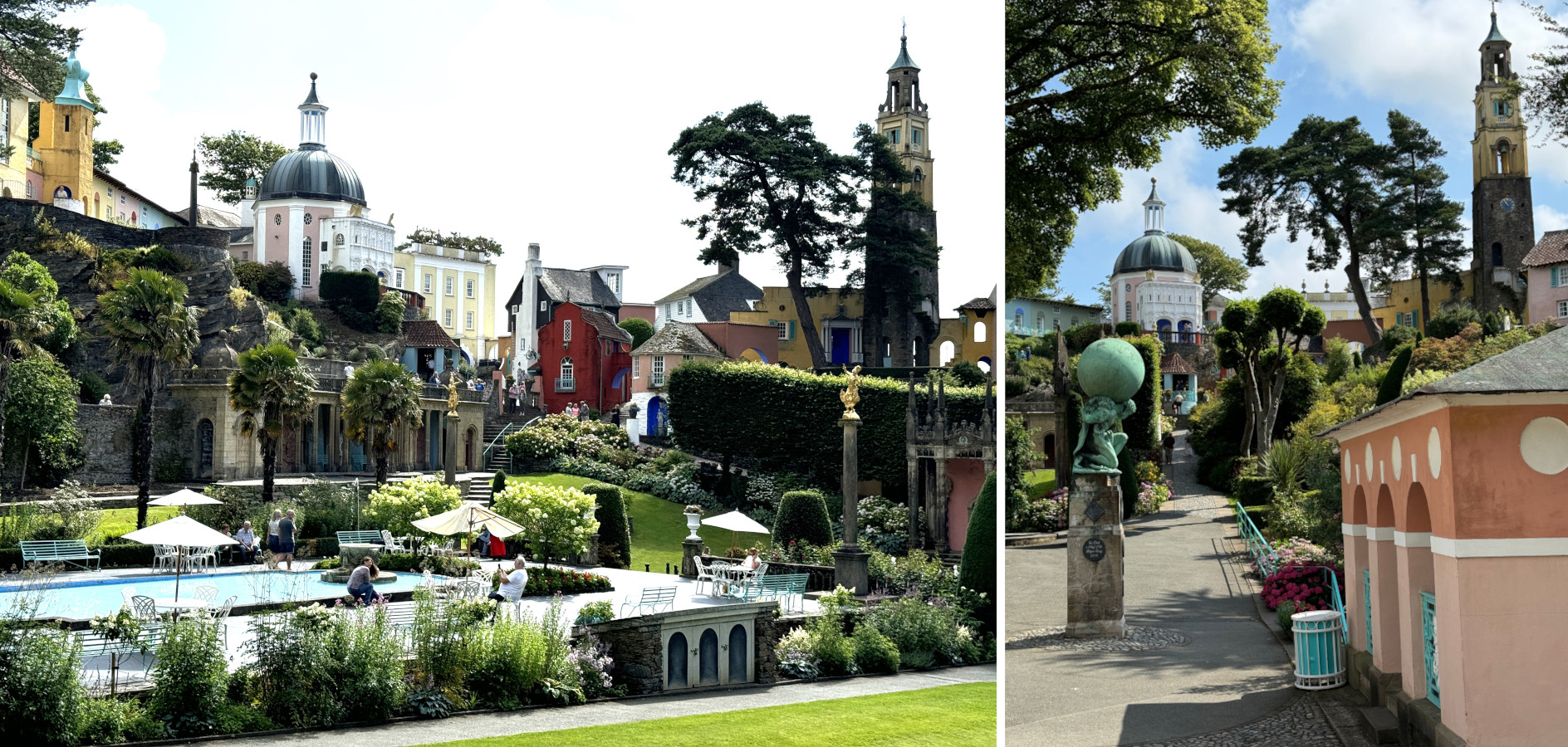
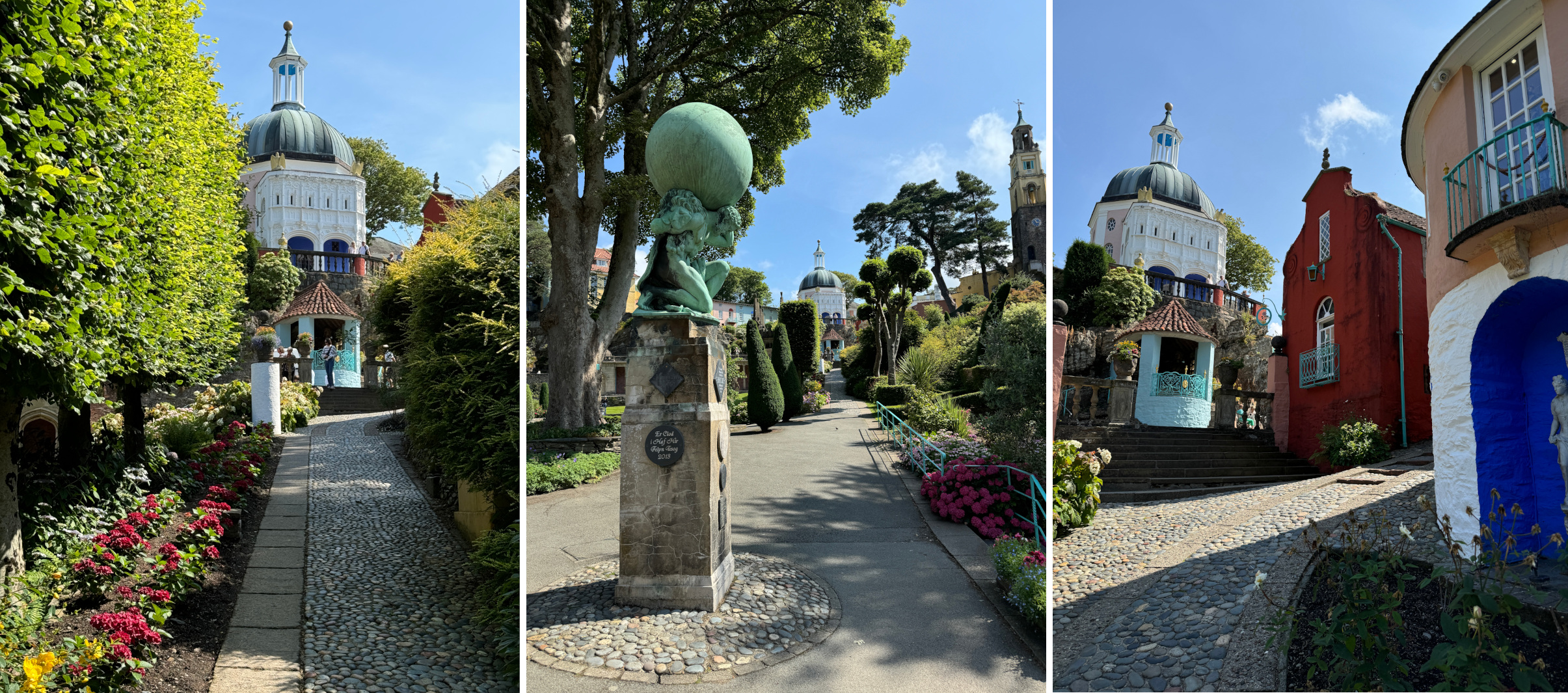
Portmeirion is quite unique in the entire United Kingdom, let alone in the principality of Wales! It looks like a historic Italian town, but was in fact designed and built in a Baroque style between 1925 and 1975 by Sir Clough Williams-Ellis and has been utilised as the location for many film and TV productions, most noticeably ‘The Prisoner’. Compared by many to the famous and chic Italian village of Portofino, it is indeed a flavour of the Mediterranean on the estuary of the River Dwyryd in Wales.
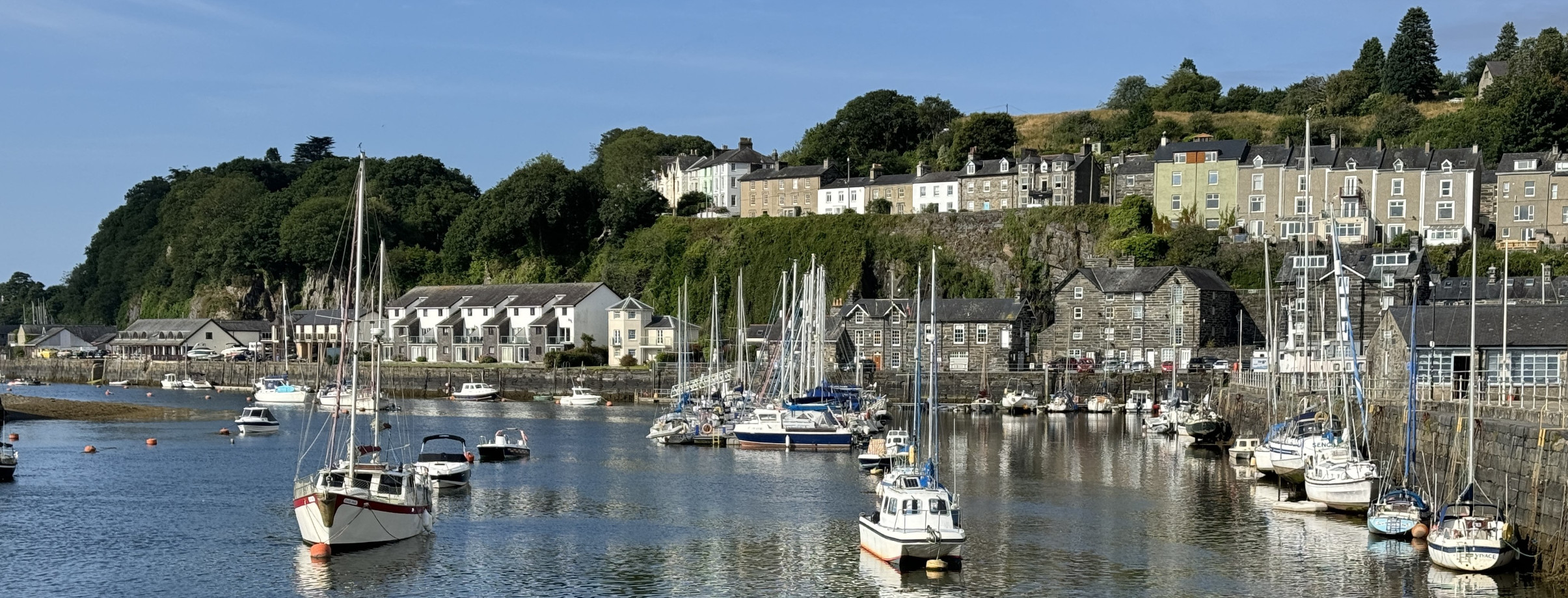


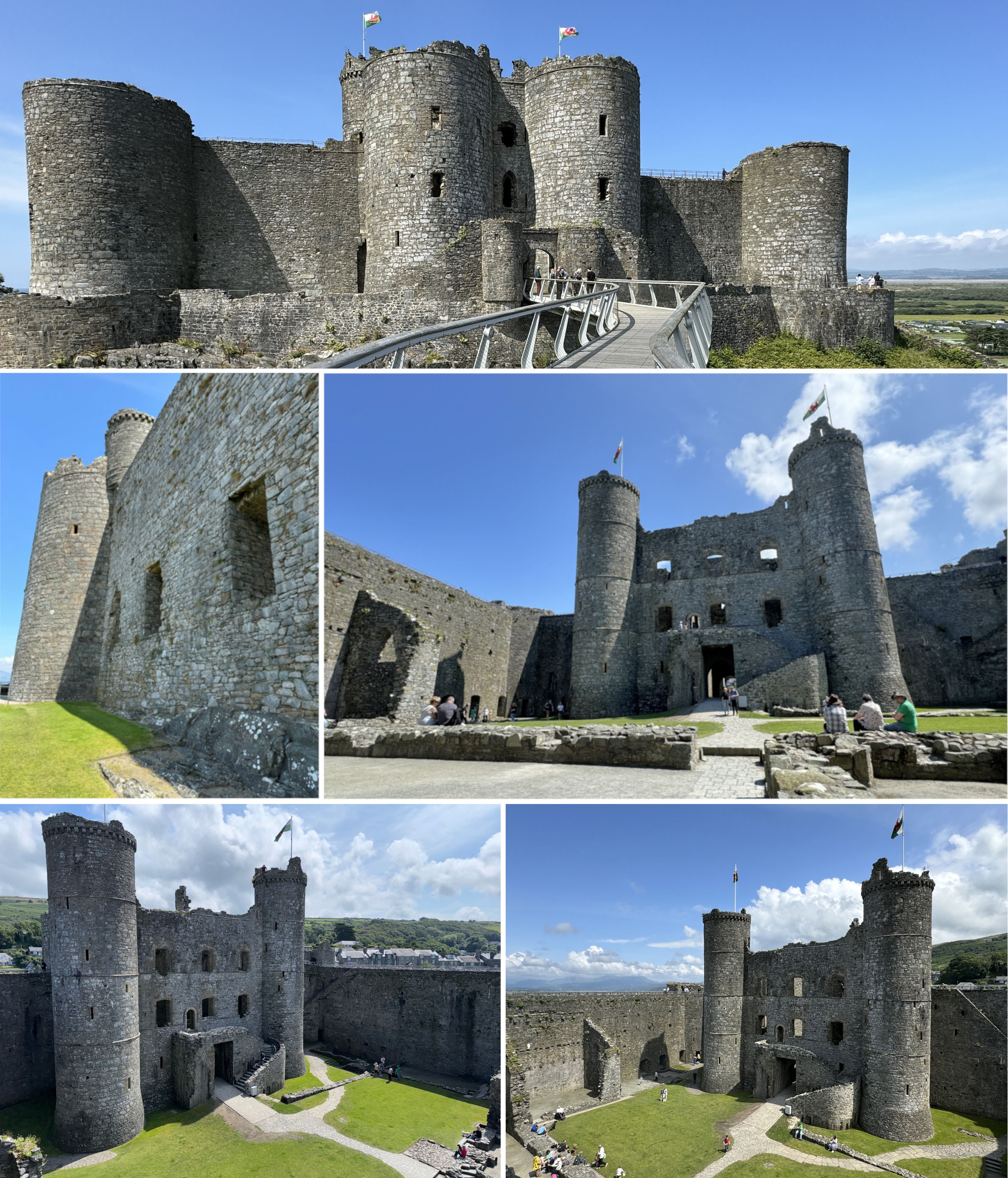
Harlech Castle
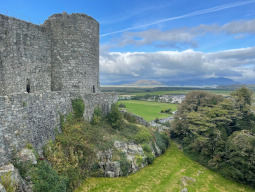
Harlech was the third of the many castles built by Edward 1 that we visited and was built between 1282 and 1289. Like the others, it is classified by UNESCO as a World Heritage Site.

Mid Wales Coast
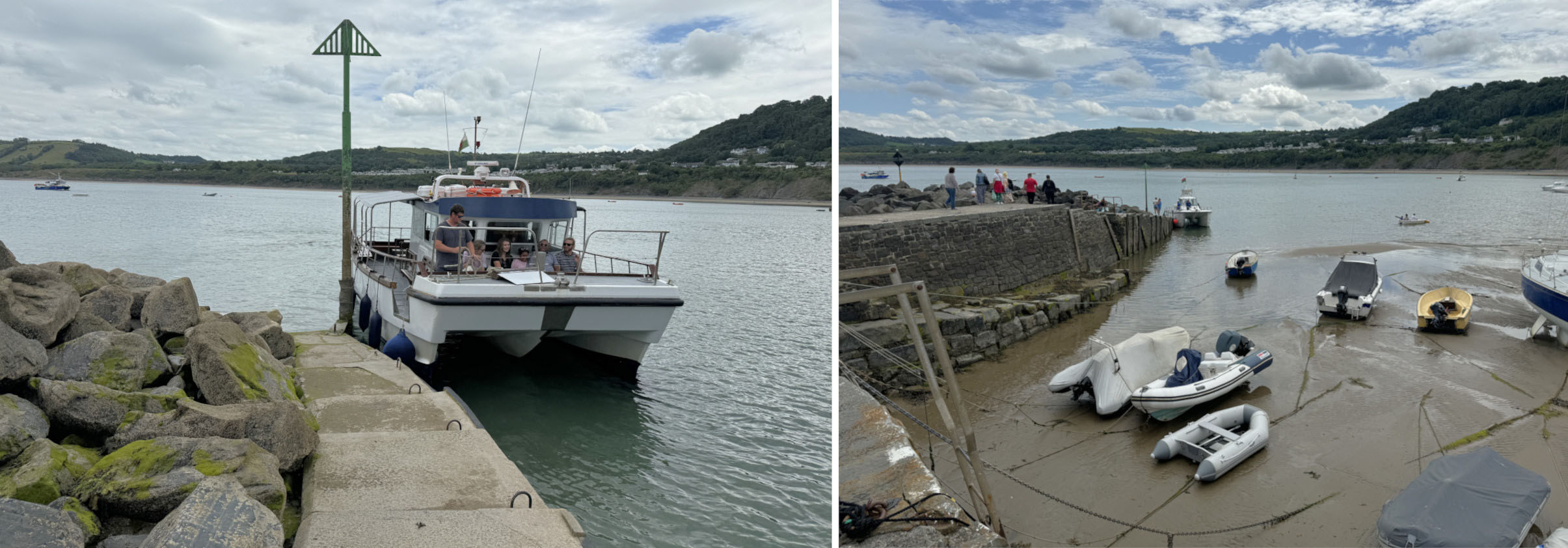
We continued south from Harlech to Cardigan and visited the understated small coastal resorts of Borth, where my photographer friend Paul lives, and New Quay, where we took a short boat excursion along the coastline.


Mid Wales Coast 2: A Postscript
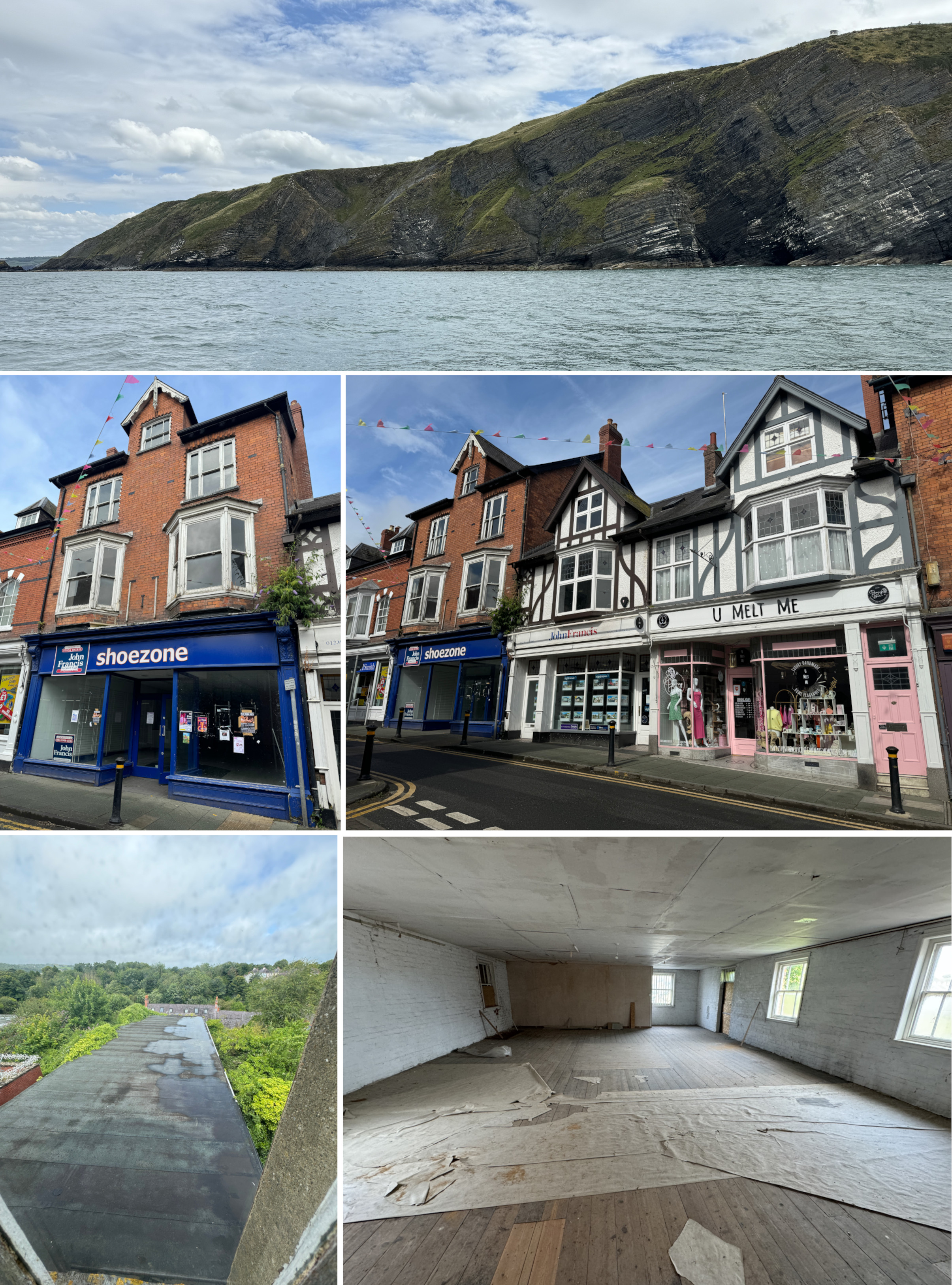
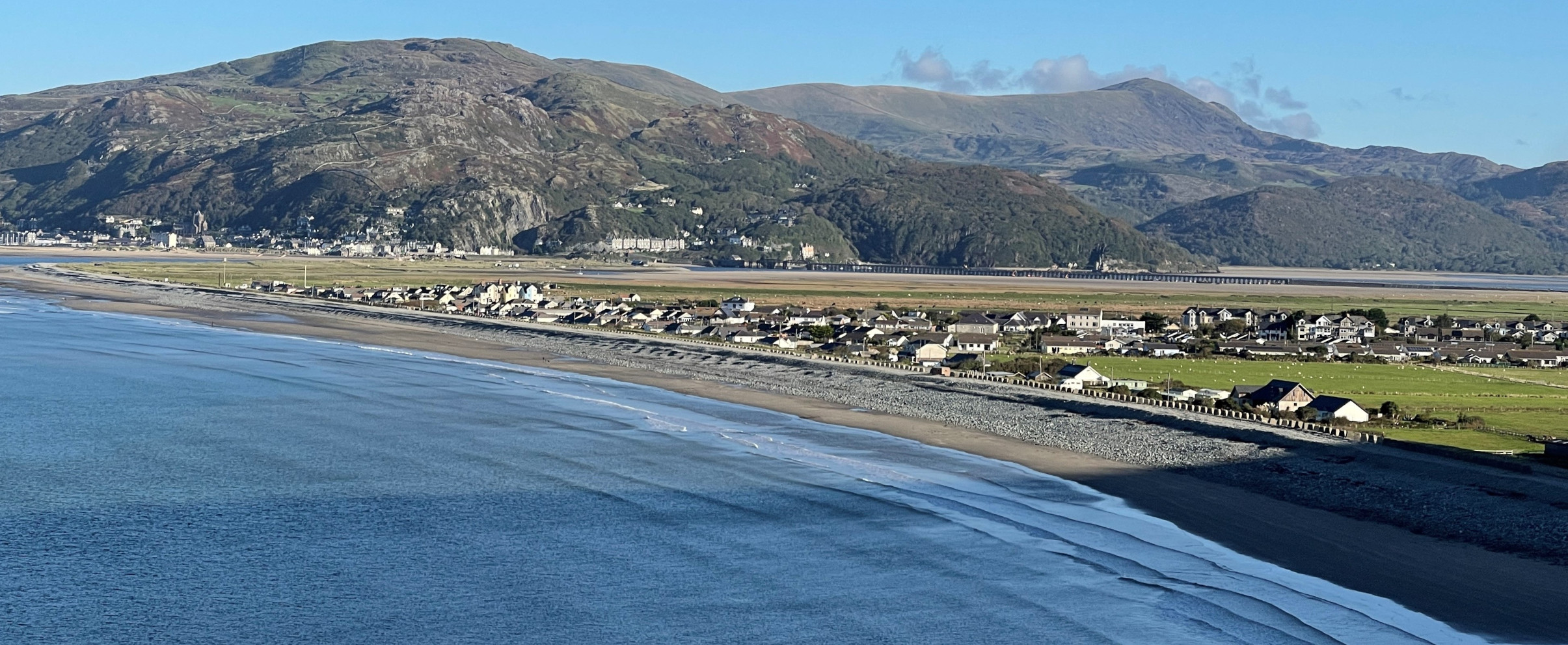
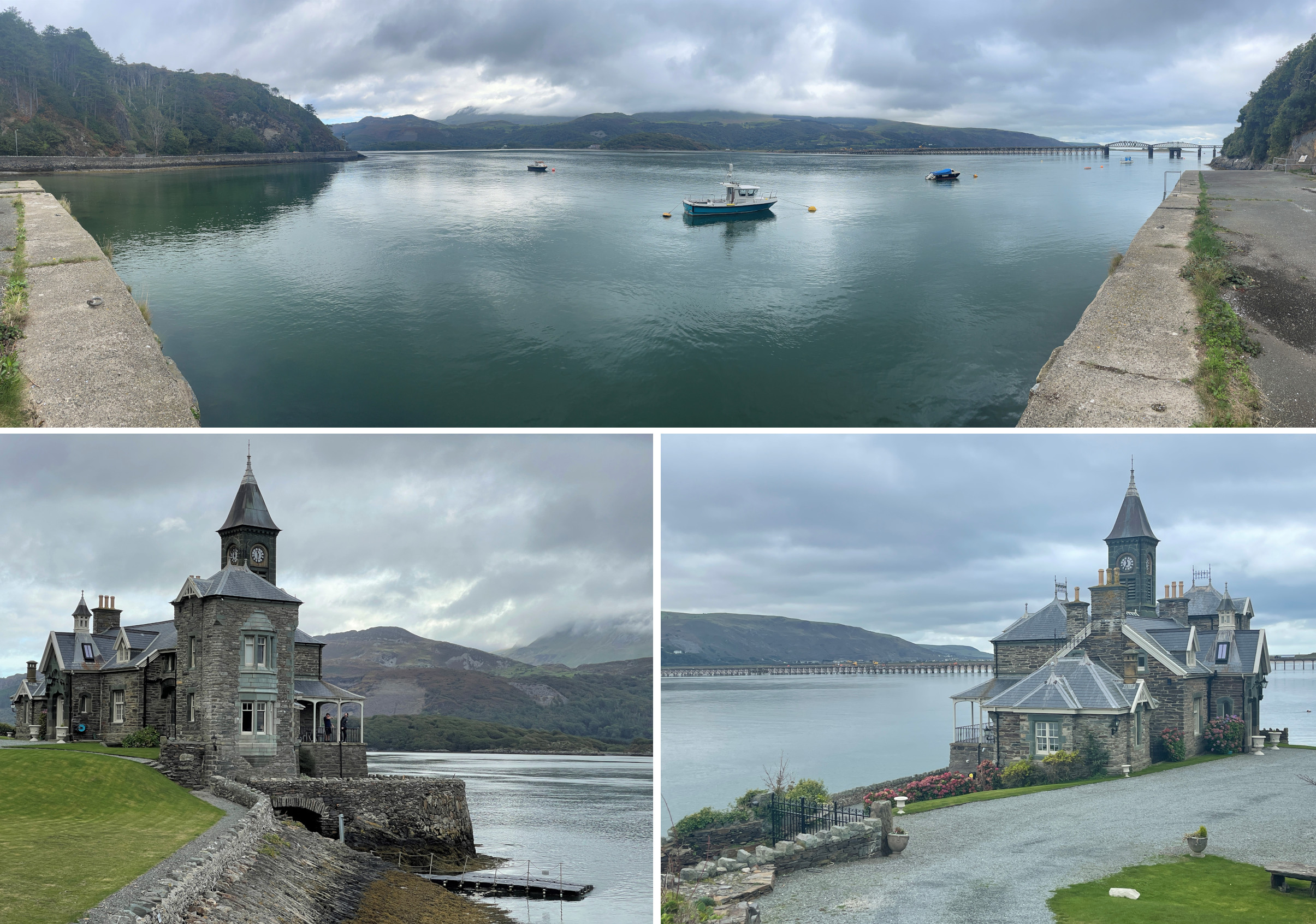
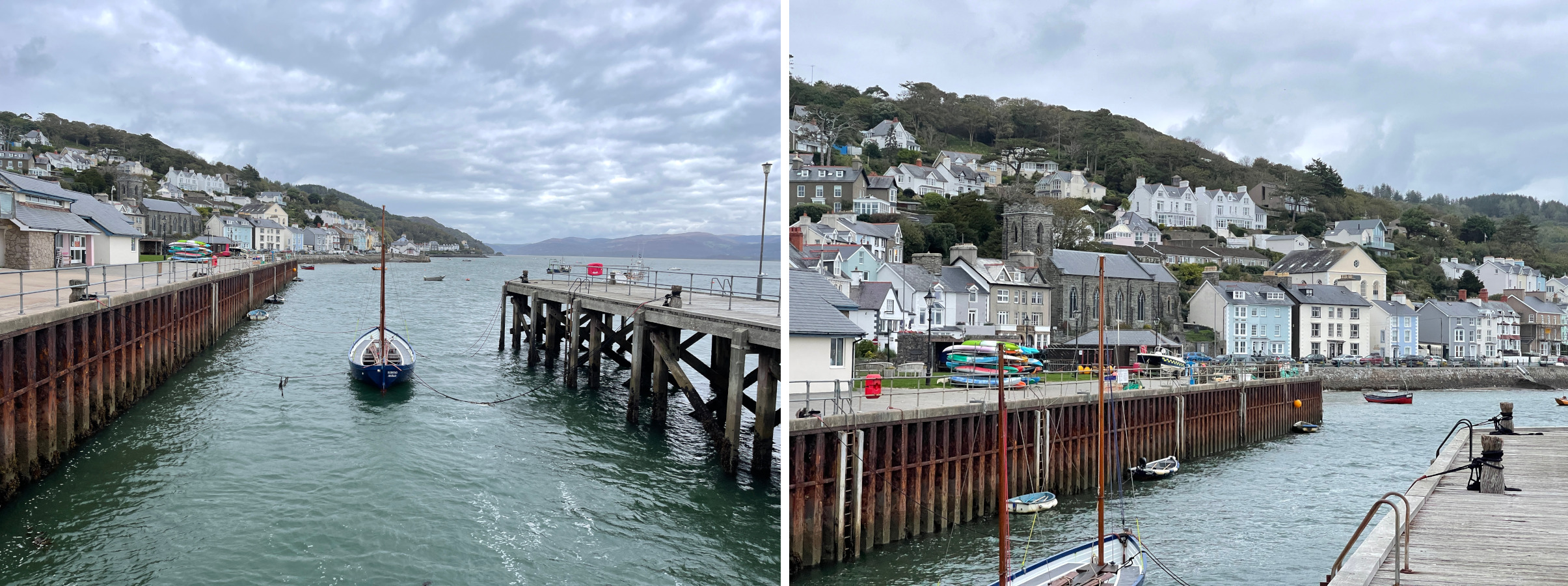
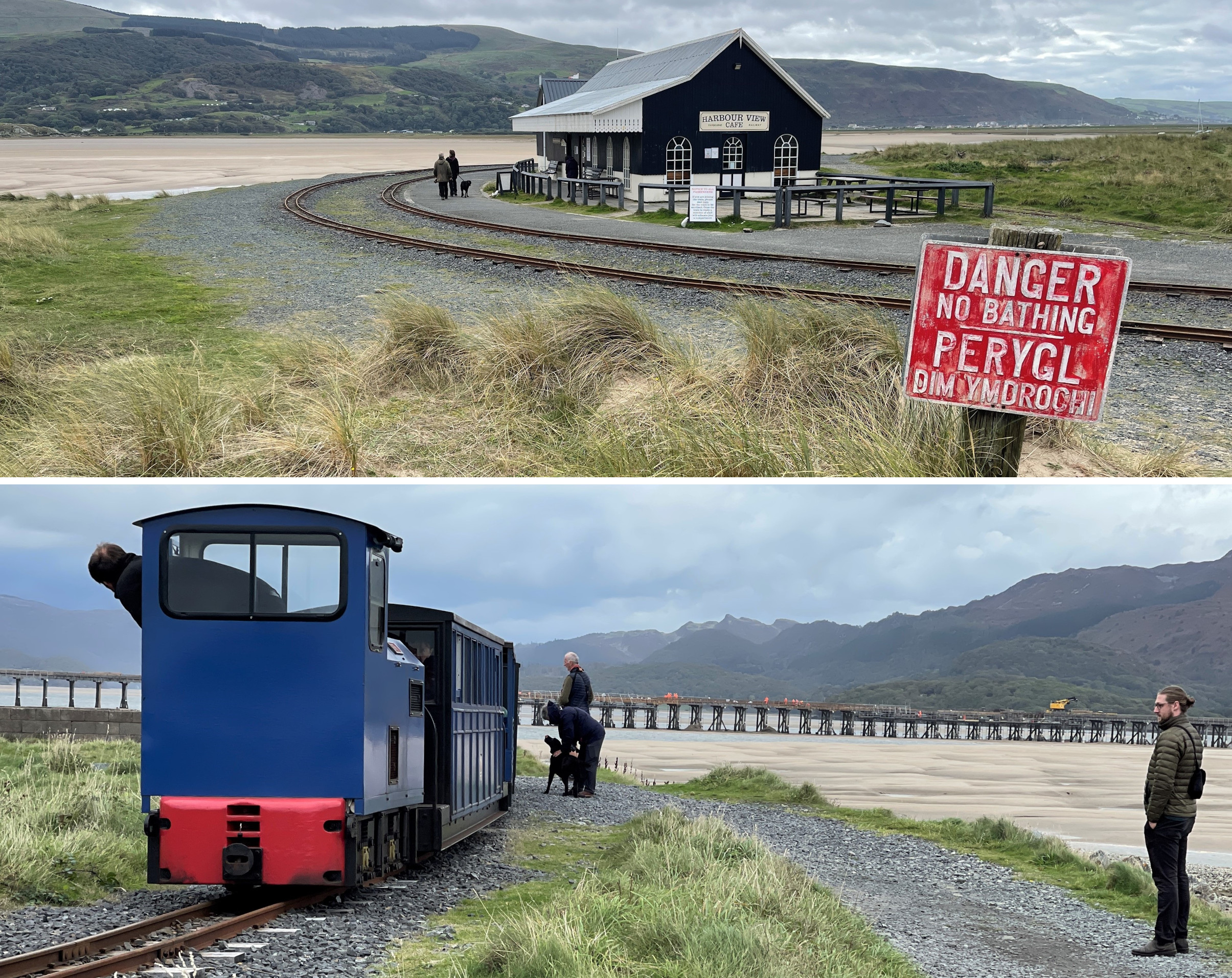
Three years earlier, in 2021, we had a short family holiday near Fairbourne, between Harlech and Borth. Although we bypassed the area on this visit, the following images will provide additional confirmation that West and North Wales offer much of interest for the discerning traveller.
©Michael Bromfield 2025
 Notes from a Nomad
Pingback: 90 – ‘Slowing Down in Mürren August 12 – September 21 2024 | Notes from a Nomad