Hands up all those who know where Wessex is located!
It is a fictional region in the South West of England and the term was popularised, if not created, by the famous English author Thomas Hardy who used it as the setting for all his novels. (‘Far from the Madding Crowd’, ‘The Mayor of Casterbridge’, ‘Jude the Obscure’ etc).
Hardy was a Romantic and created a mystical region with imaginary names for all the towns and places in the region he loved so dearly, and which featured in all his novels. The name Wessex was based on West Saxon (England) and towns such as Bournemouth where I was born was renamed by Hardy as Sandbourne, Dorchester capital of Dorset became Casterbridge, Weymouth became Budmouth, Oxford became Christminster and so on. Wareham Heath became Egdon Heath, Salisbury Plain became the Great Plain, Stonehenge became the Great Circle, and the New Forest became the Chase.
The area has no official recognition, nor defined borders or boundaries but is loosely based on the county of Dorset, western Hampshire, eastern Devon and the southern parts of the counties of Wiltshire and Somerset.
It has taken me 13 years of writing articles for my website before I have got round to my home patch and yet I owe a big debt of gratitude to both the region of Wessex and indeed indirectly to Thomas Hardy because Wessex is without doubt one of, if not the richest region of the United Kingdom, in regard to the wide range of historic and cultural attractions that are available to visit within relative close proximity.
In 1979 my wife and I purchased a former hospital from the local health authority in the small South Somerset village of Templecombe between Shaftesbury (Thomas Hardy’s Shaston) and Sherborne (Sherton Abbas).
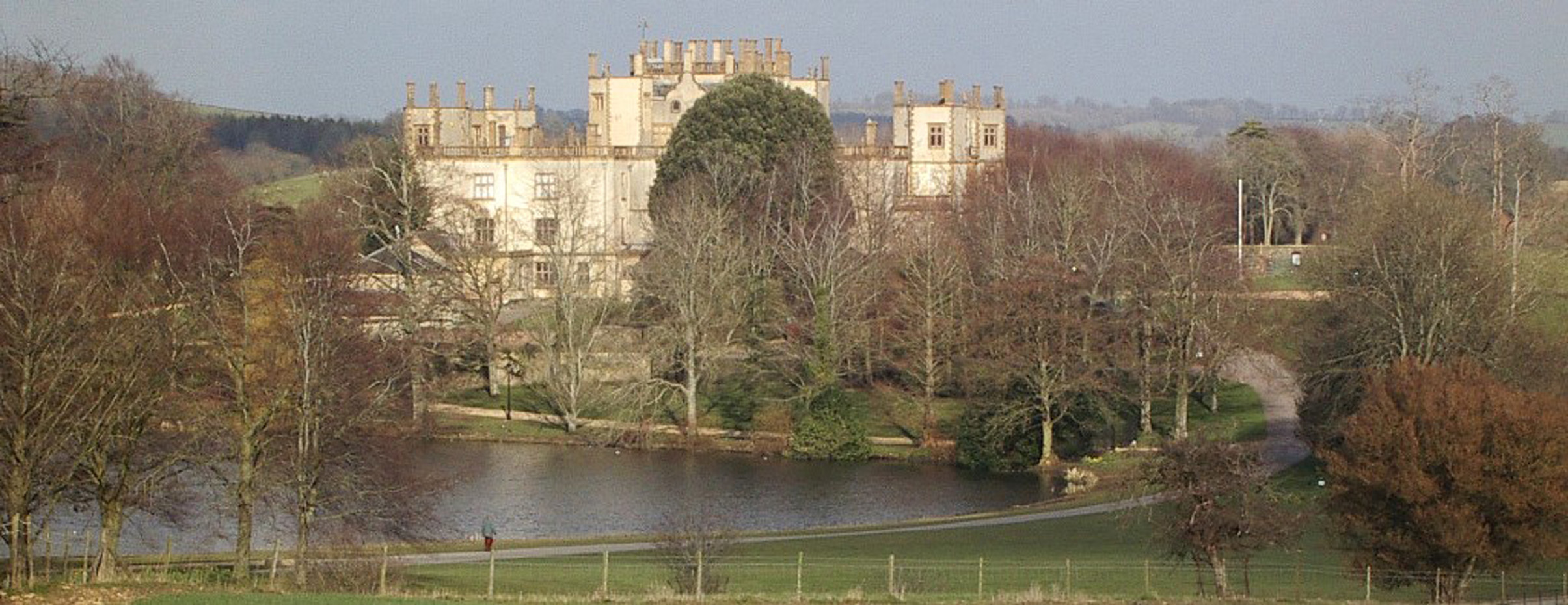
It was my plan to promote Cultural, Literary and Historical tours to American students and there was a wealth of attractions within a 90 minute drive, many of world renown and including Prehistoric Stonehenge, Roman and Georgian Bath, the great cathedrals at Winchester, Salisbury and Wells, the Jurassic Coast, mystical Glastonbury with its ancient Abbey and the magnificent Stately homes at Longleat, Stourhead and Wilton.
We wanted a name that was recognised around the world as being synonymous with our area and indicated we were a serious cultural operator and as we were only located 20 miles north of Dorchester, we took Hardy’s name and called ourselves ‘Casterbridge Tours’.
We brought many American students to Wessex and cut our teeth and developed our skills for 4 years operating programs in Wessex before expanding and operating tours around the U.K. and then to France and around Europe.
We traded as Casterbridge Tours for 32 years and ended up as a Queens Award winning Educational Tour Operator running customised tours around the world for between 200 and 260 school and university groups annually. Our clients were based in the USA, Canada, the UK, Australia and South Africa and we had 50 employees divided between the UK and two sales offices in the USA and another in Canada.
In 2011 we sold Casterbridge Tours to the USA’s biggest Student Tour Operator and it all began in Wessex!
We still have the same family home we moved into in 1987 just 3 miles from Templecombe and although I have mainly based myself in Thailand and Switzerland since 2011 I still return to Wessex every year.
In July 2024 when taking a friend to visit universities in Bristol and Oxford where they were hoping to take an MSc I took the opportunity to show them some of the attractions of Wessex where I had guided so many American students decades earlier.
A year later In June 2025 my friend was halfway through a MSc in BIM (Hands up anyone who knows what BIM stands for!) and we returned to Wessex to visit the Jurassic coast
And what follows are a selection of images taken in 2024, 2025 and of some additional Wessex attractions taken from earlier years.
The destinations are not listed in order of importance but the order in which we visited them.
Once a Tour Operator, always a Tour Operator!

Bath
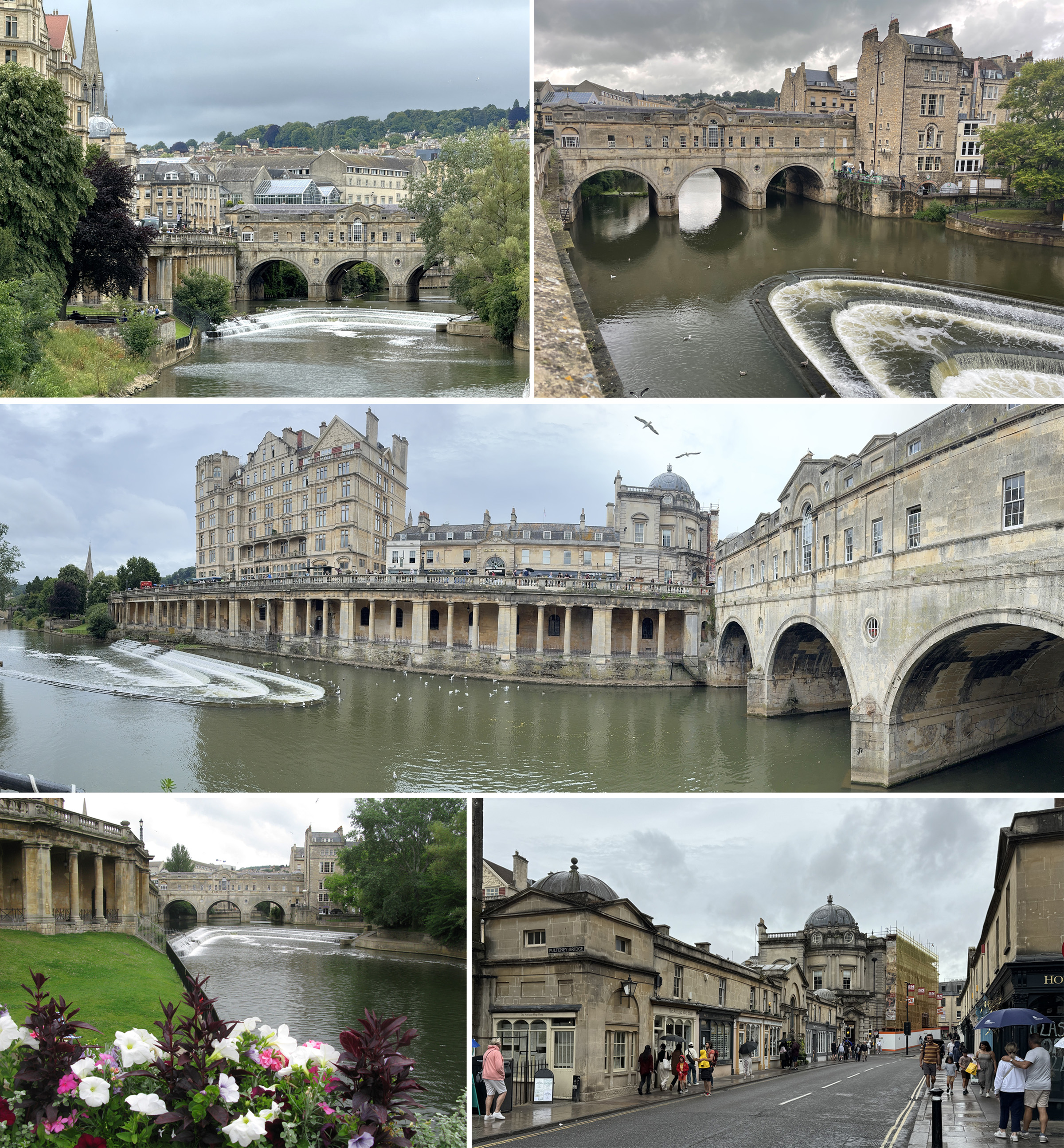
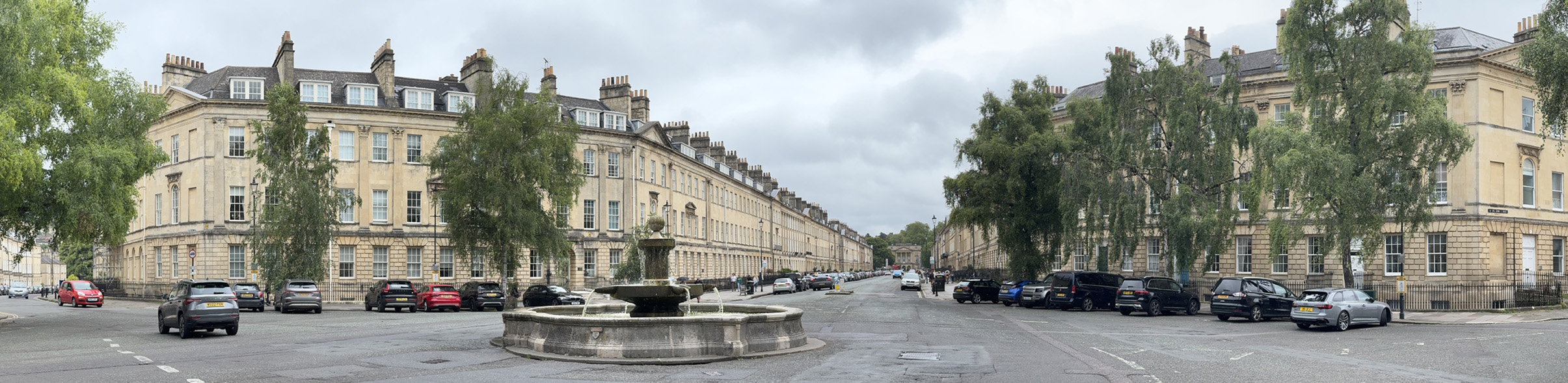
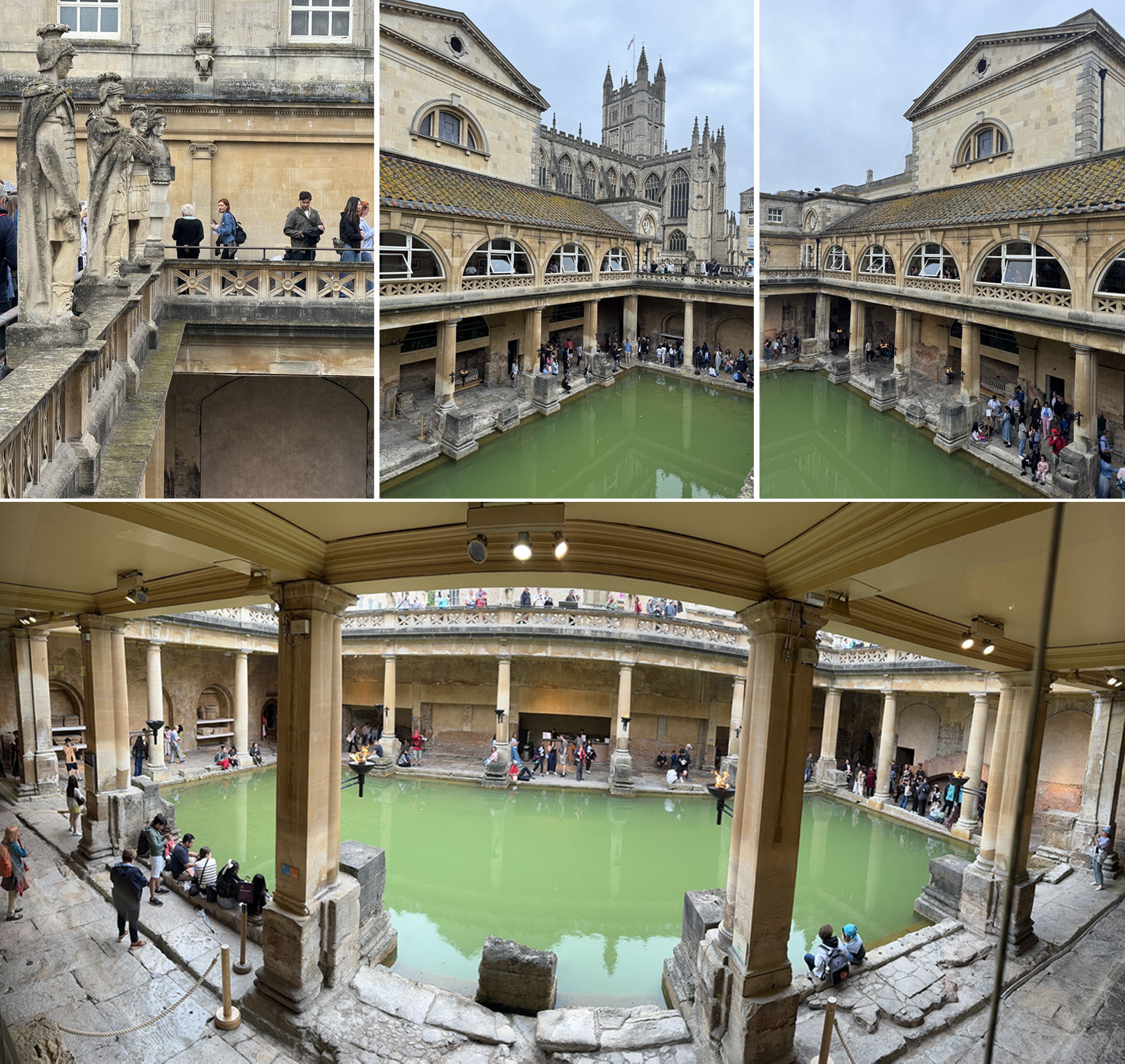
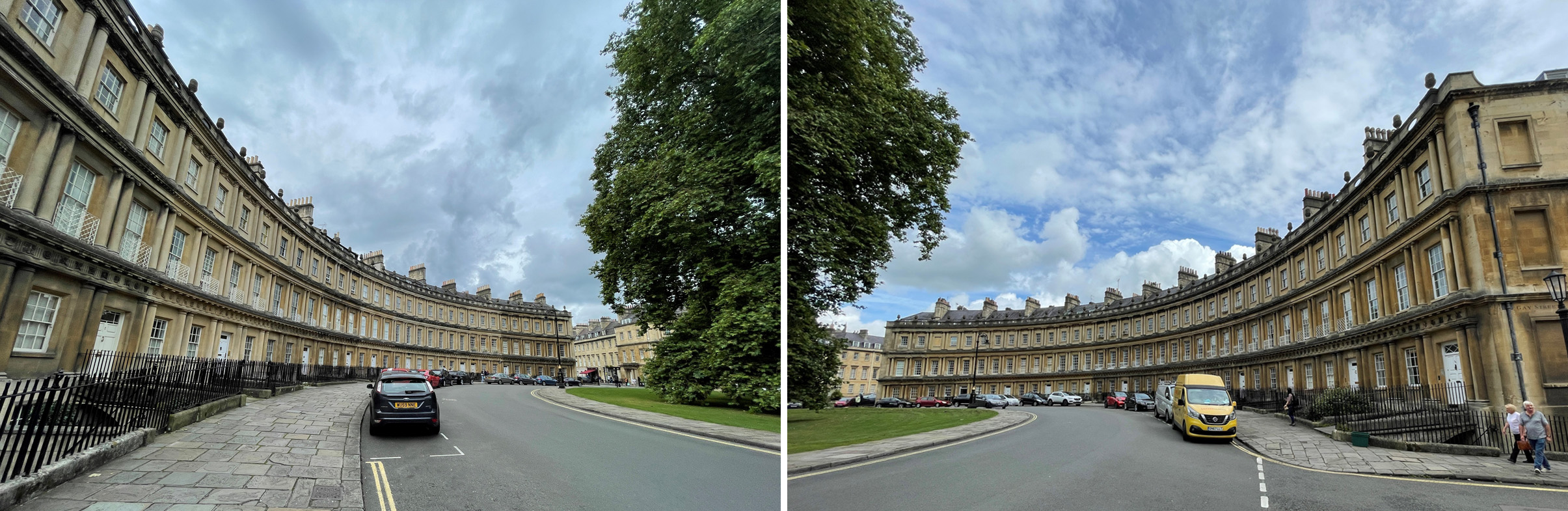
Bath is one of the leading tourist destinations to be found anywhere in the UK with a wealth of attractions including the magnificent Abbey which dates from the mid 12th Century (1150s), and the Roman Baths famed for their healing qualities. With the Royal Crescent and The Circus in particular, Bath also contains some of Britain’s finest examples of Georgian architecture. Bath was designated a UNESCO World Heritage Site in 1987.



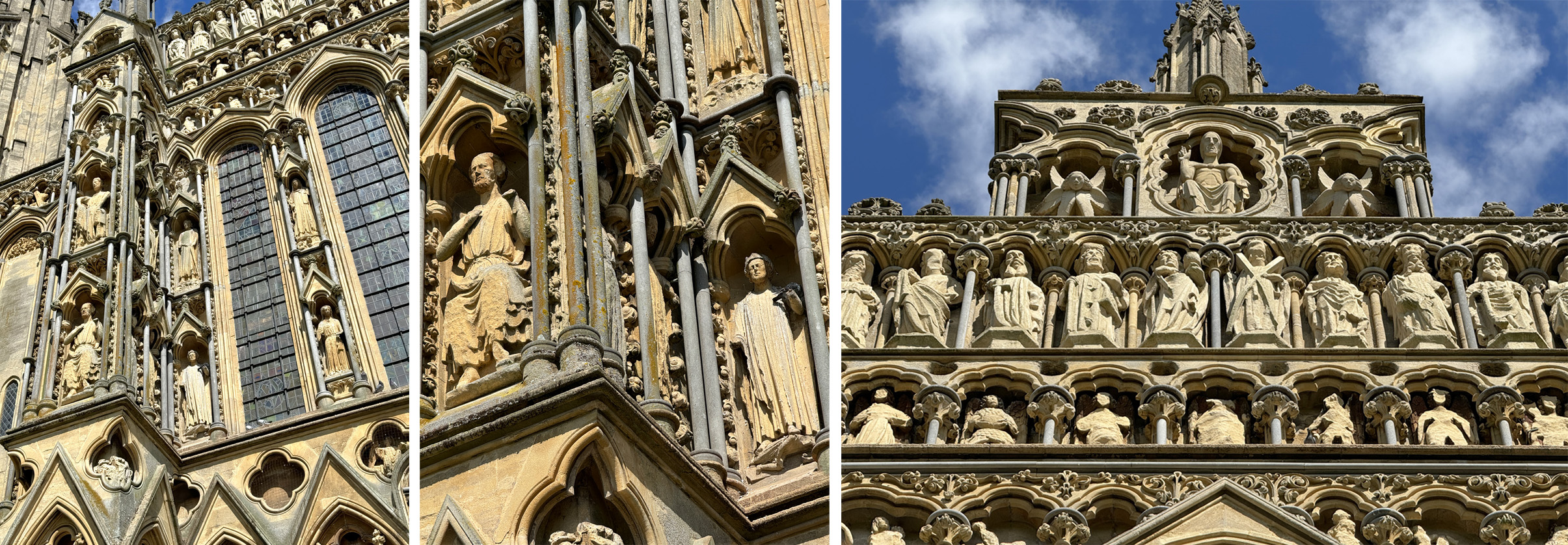
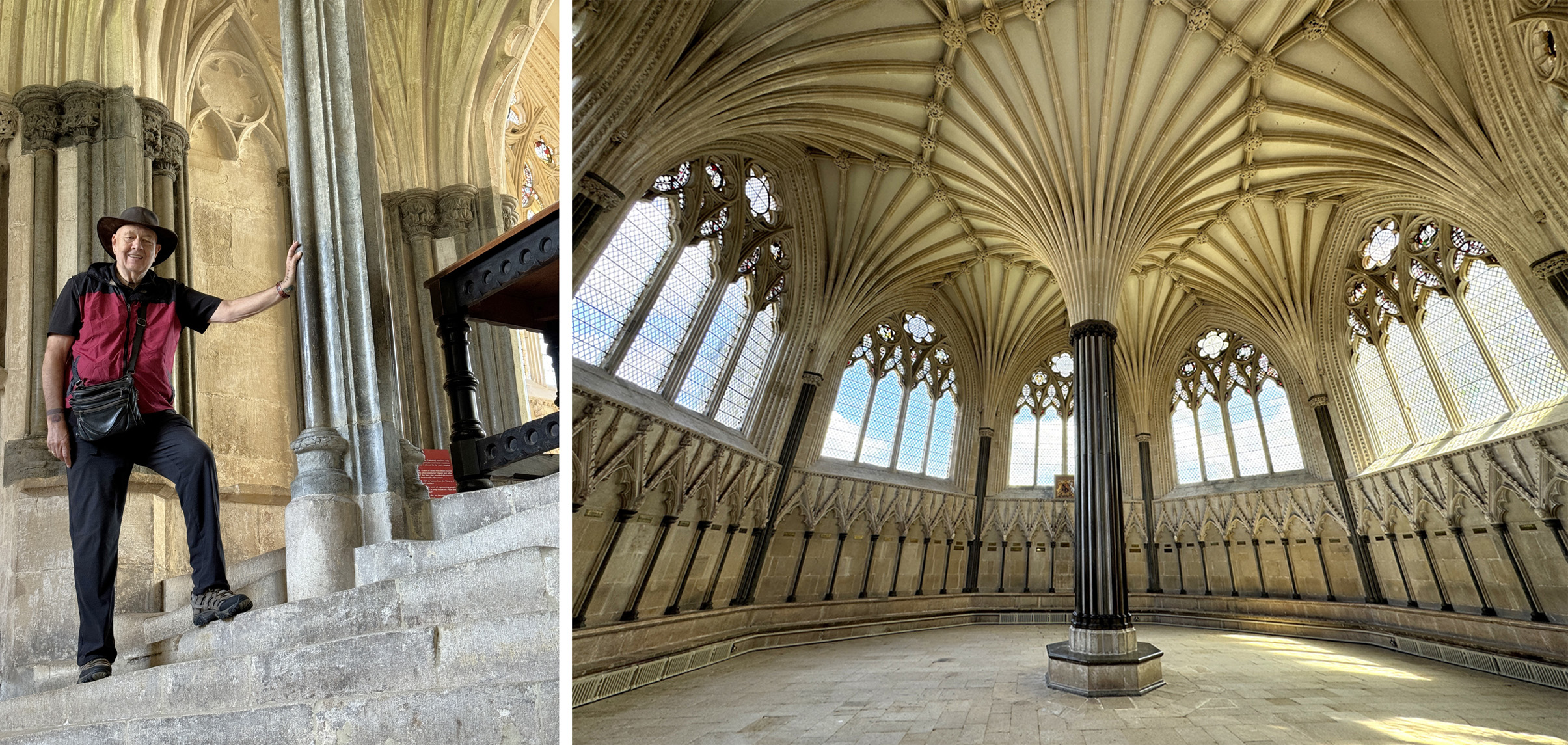
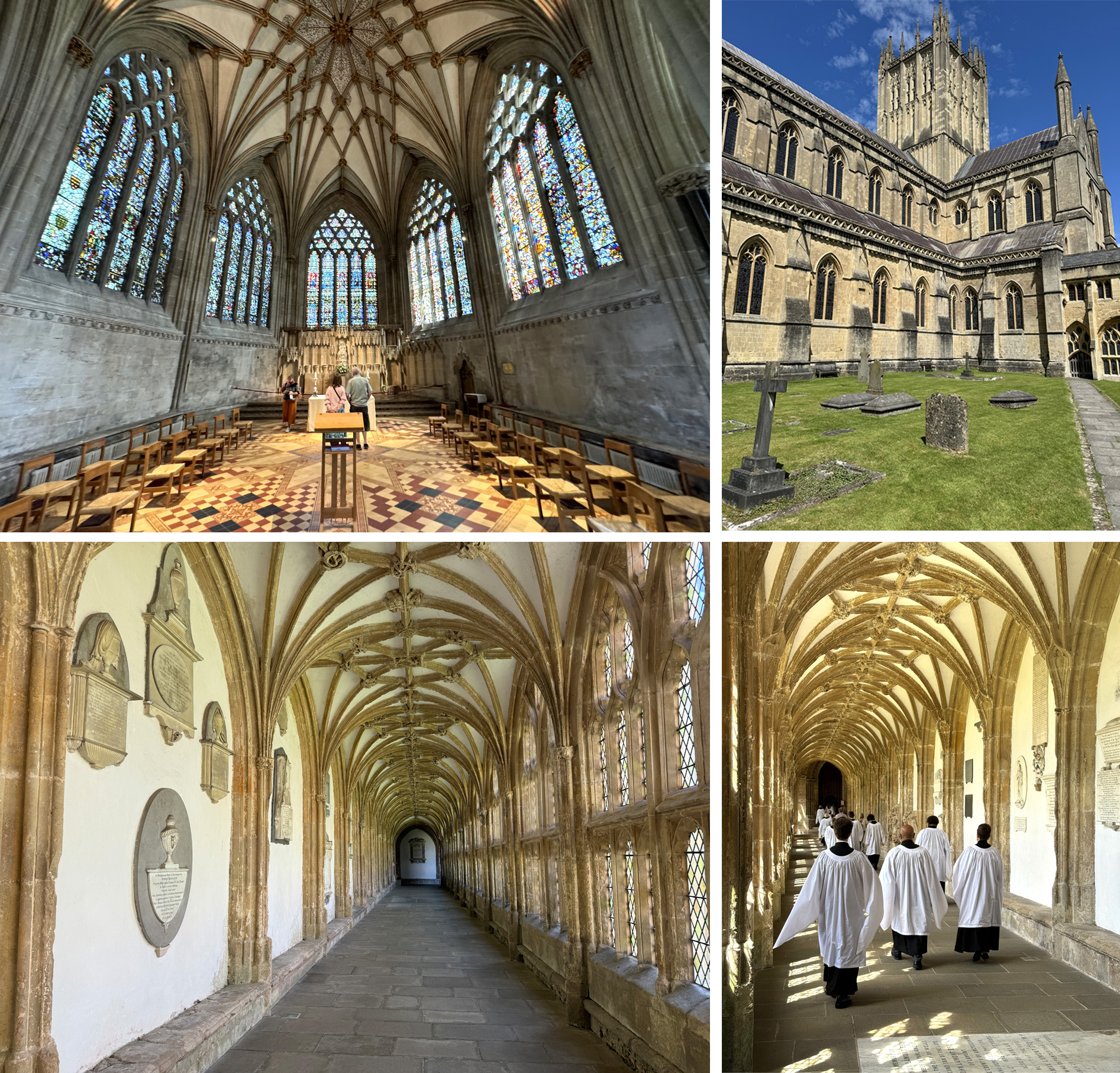
Wells and Wells Cathedral
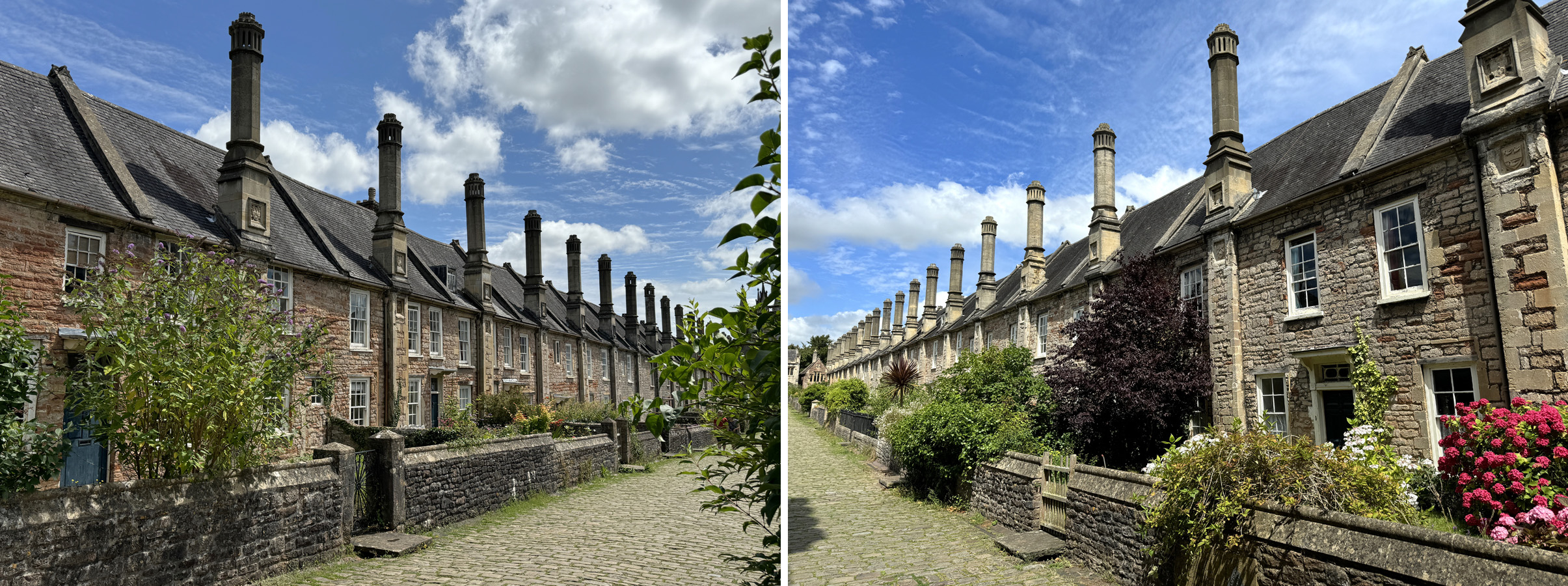
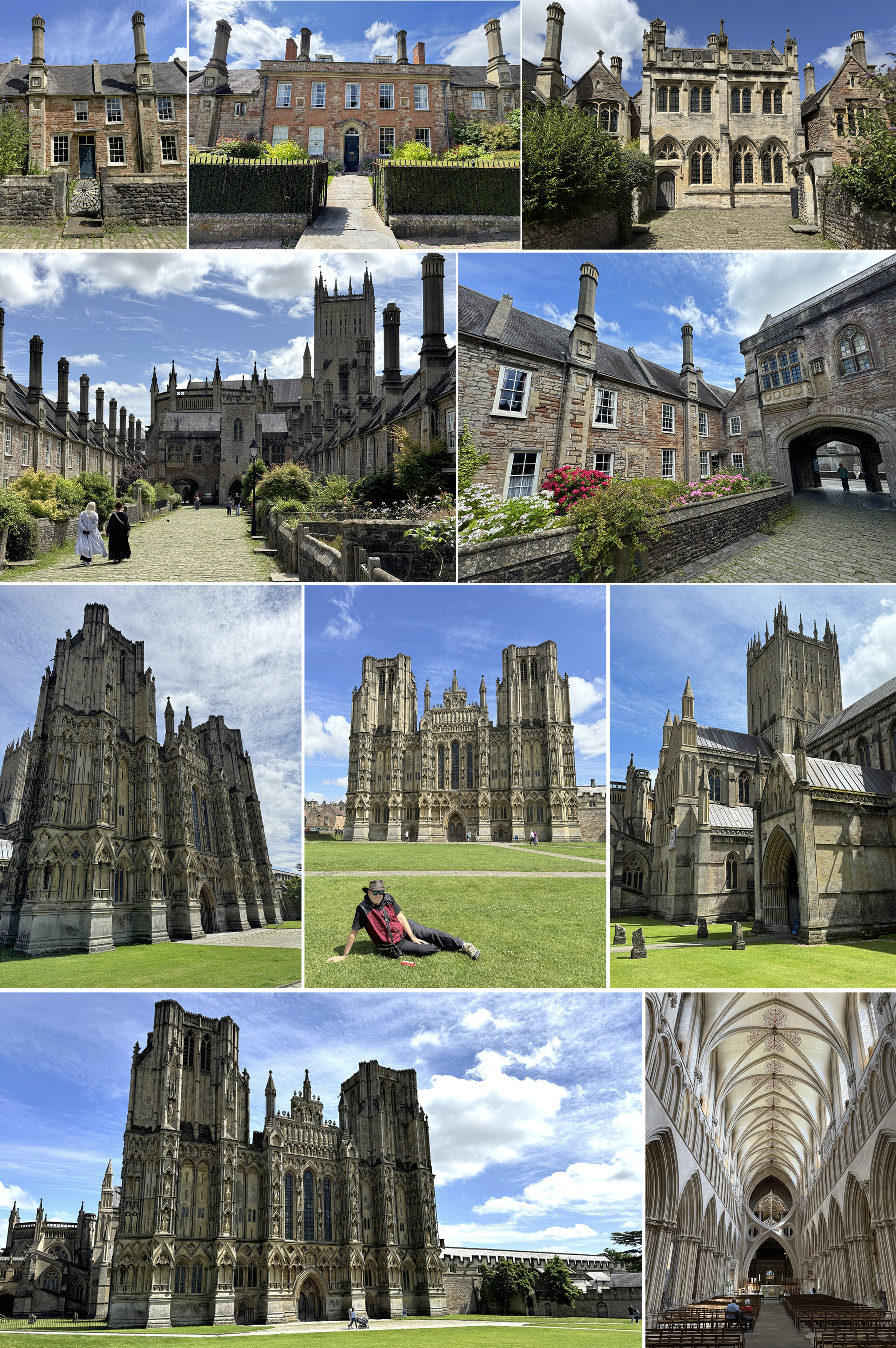
Wells is located 22 miles southwest of Bath and is the smallest city in England. It contains one of the great cathedrals of England and many other historic buildings.


Glastonbury
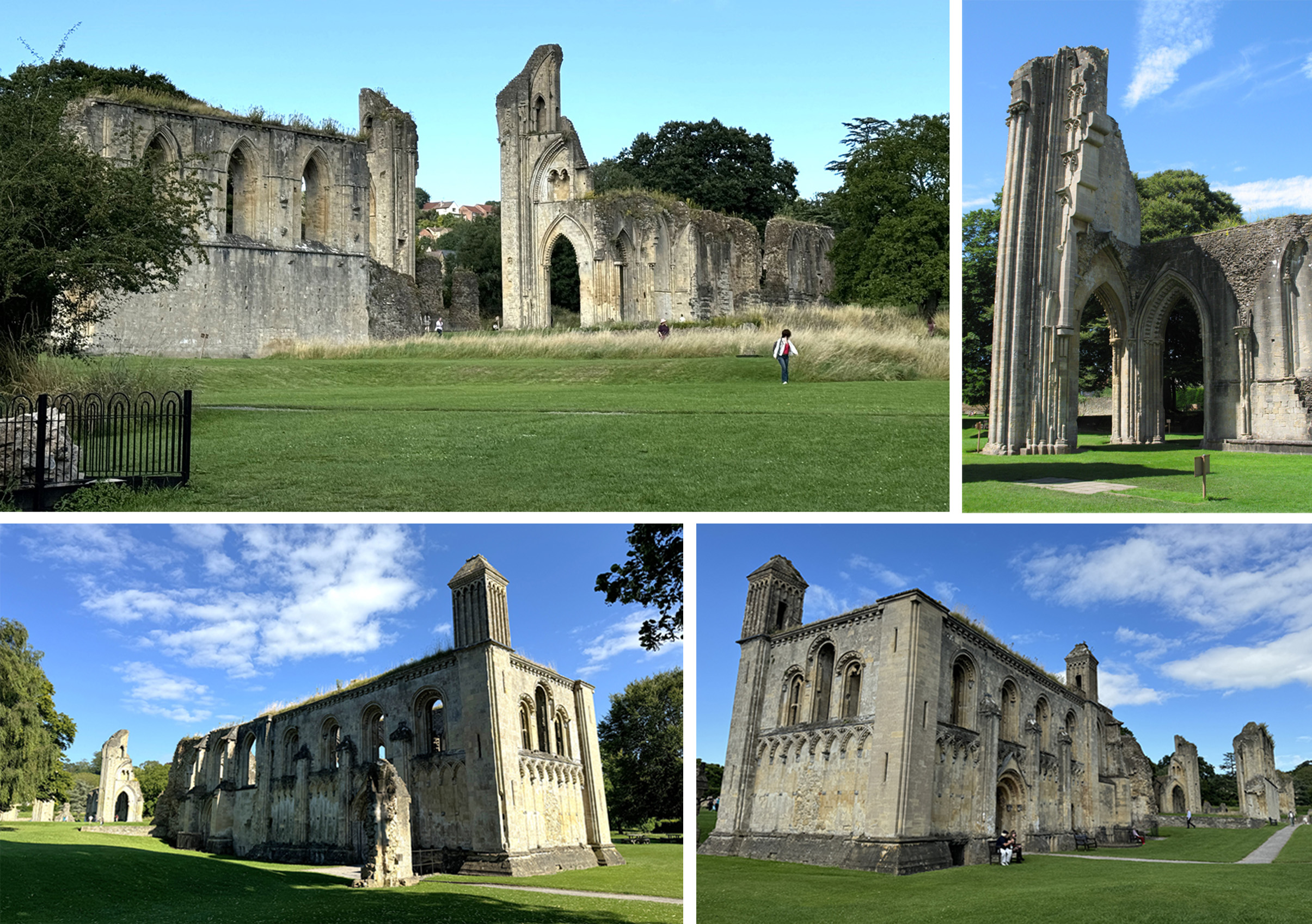
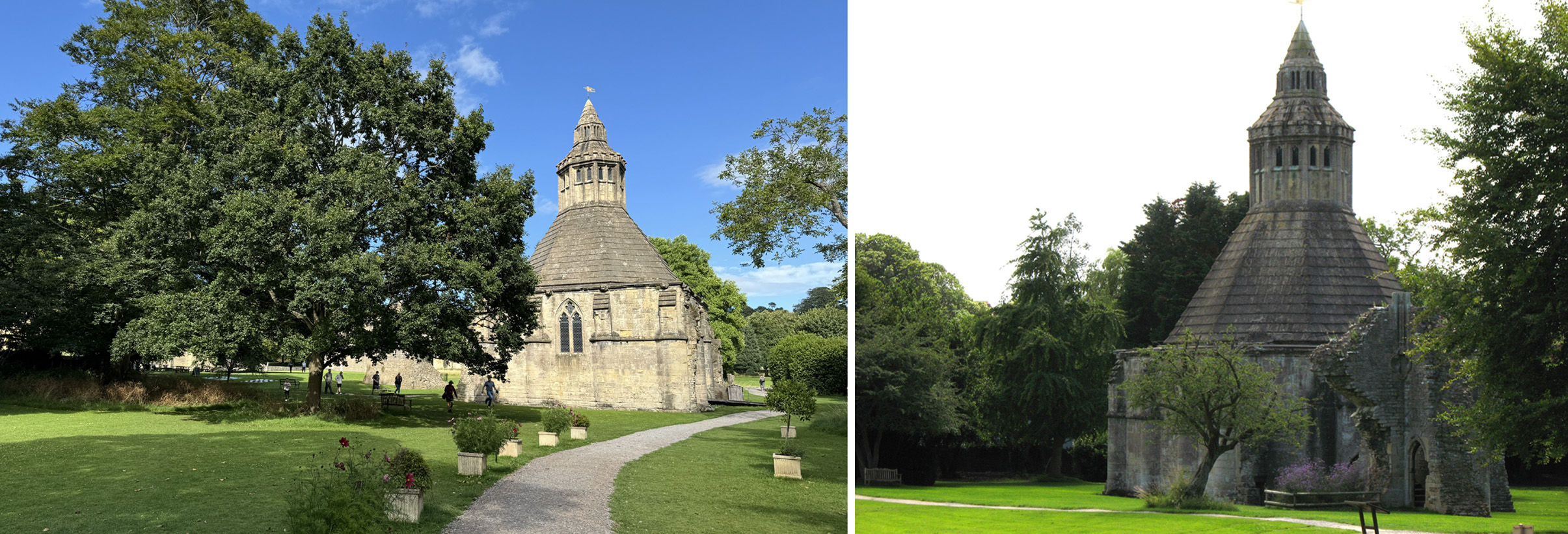
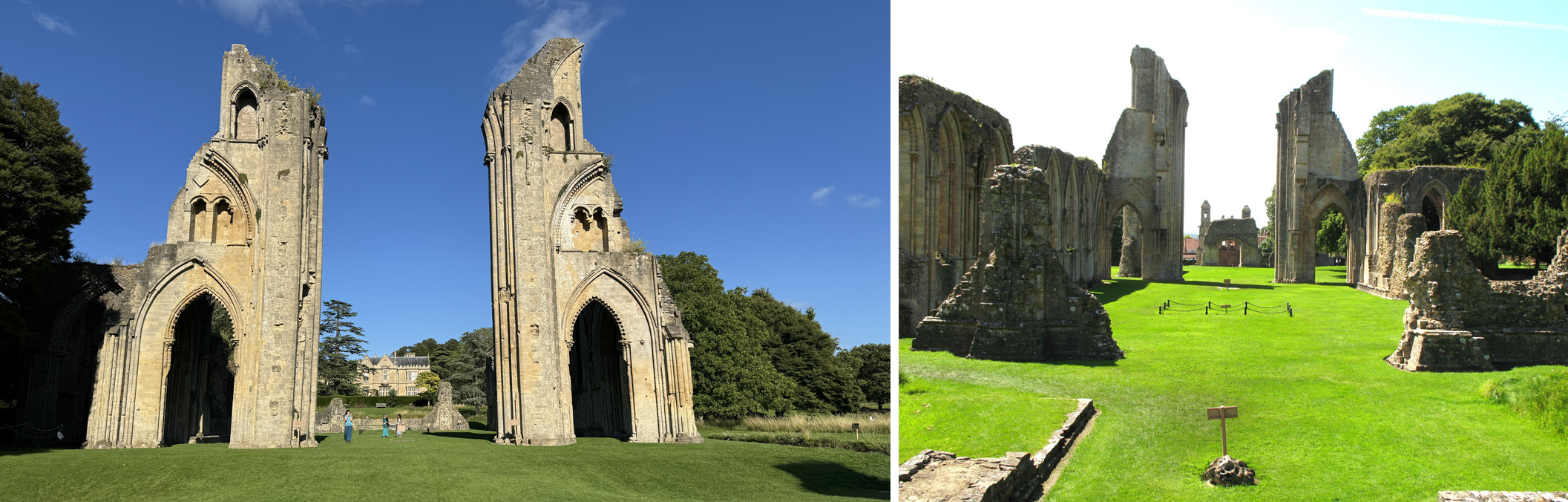
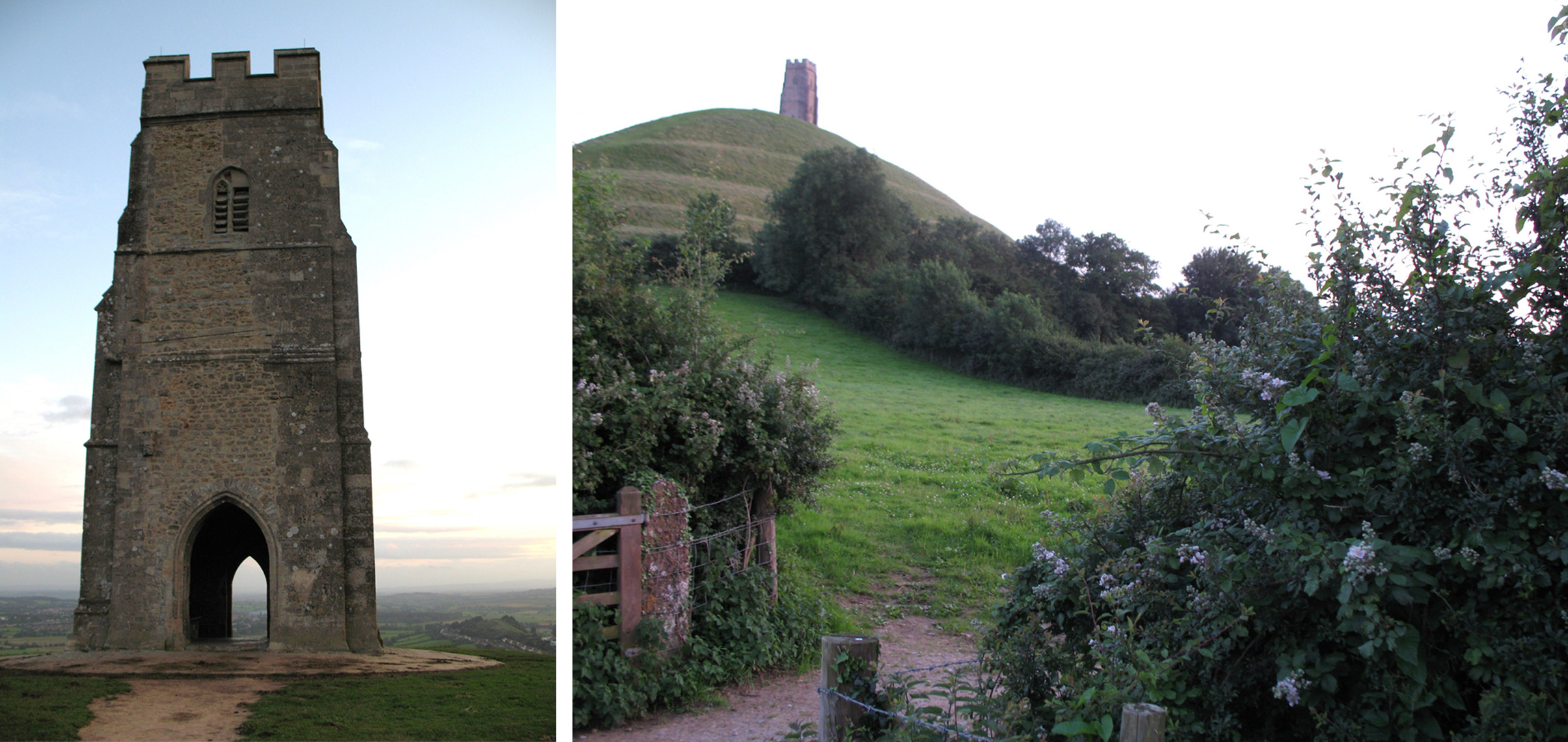
Because of its association with the legends of King Arthur and the search for the Holy Grail Glastonbury has a sense of mysticism and has attracted those with a spiritual sense. This has been reinforced since 1970 with the almost annual hosting of the Glastonbury Festival at nearby Worthy Farm which has grown to be the world’s biggest festival of contemporary music. Those who climb to the summit of Glastonbury Tor are rewarded with some of the most extensive views in Somerset, and the ruins of Glastonbury Abbey are amongst the finest in Britain.
Sherborne
When in the UK I have lived within 5 miles of Sherborne for 46 years. It was the location of the headquarters of our travel company Casterbridge Tours for 15 years and we also operated Sherborne Cottages, a holiday letting company for many years and the ’Global Images Gallery’, the UK’s only gallery devoted to mountain and travel photography. This was more an egotistical exercise than a viable commercial enterprise!
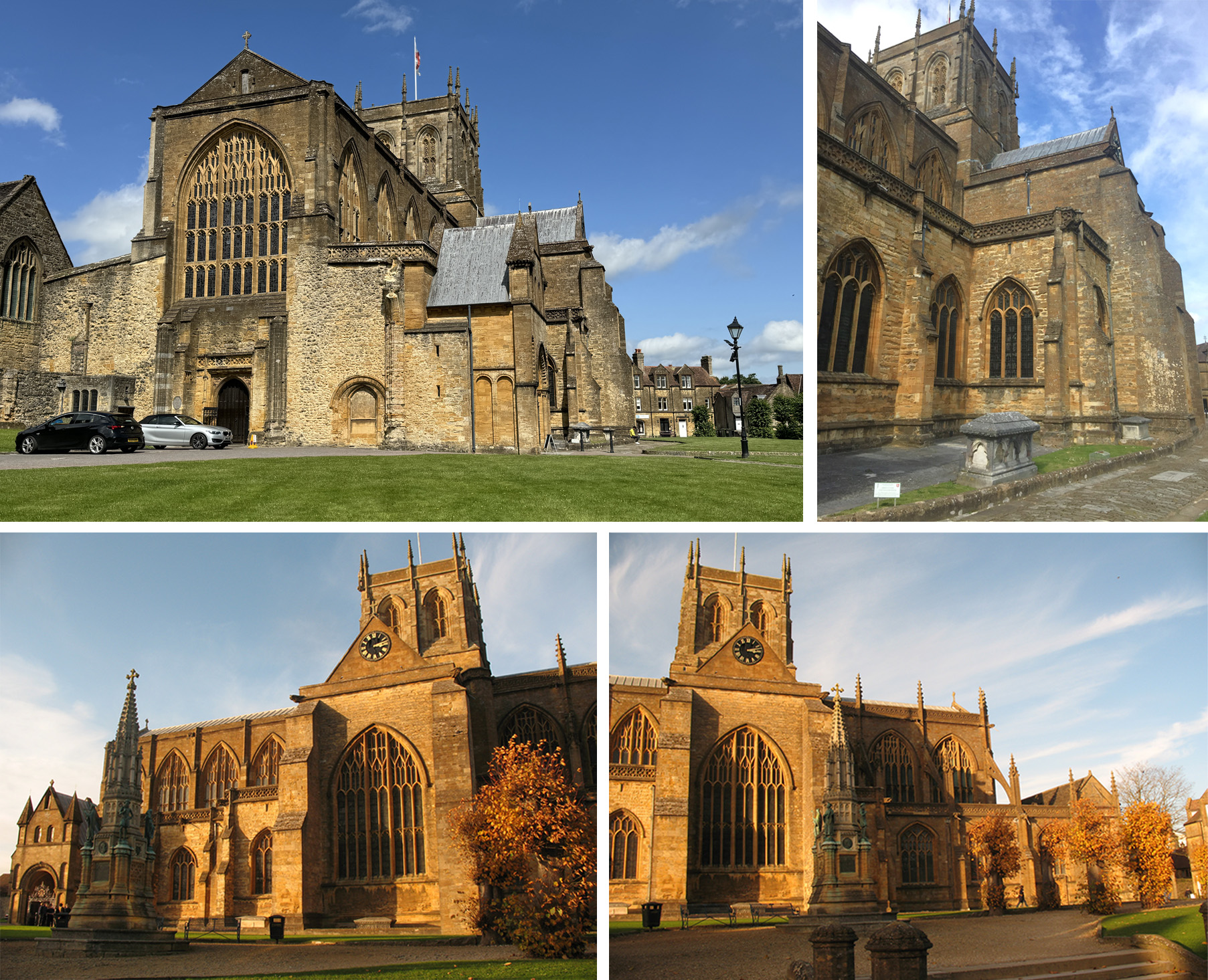
Sherborne is an affluent market town located in north Dorset near the Somerset border with a wealth of medieval architecture and is particularly famous for its magnificent abbey, historic school and a castle built by Sir Walter Raleigh.


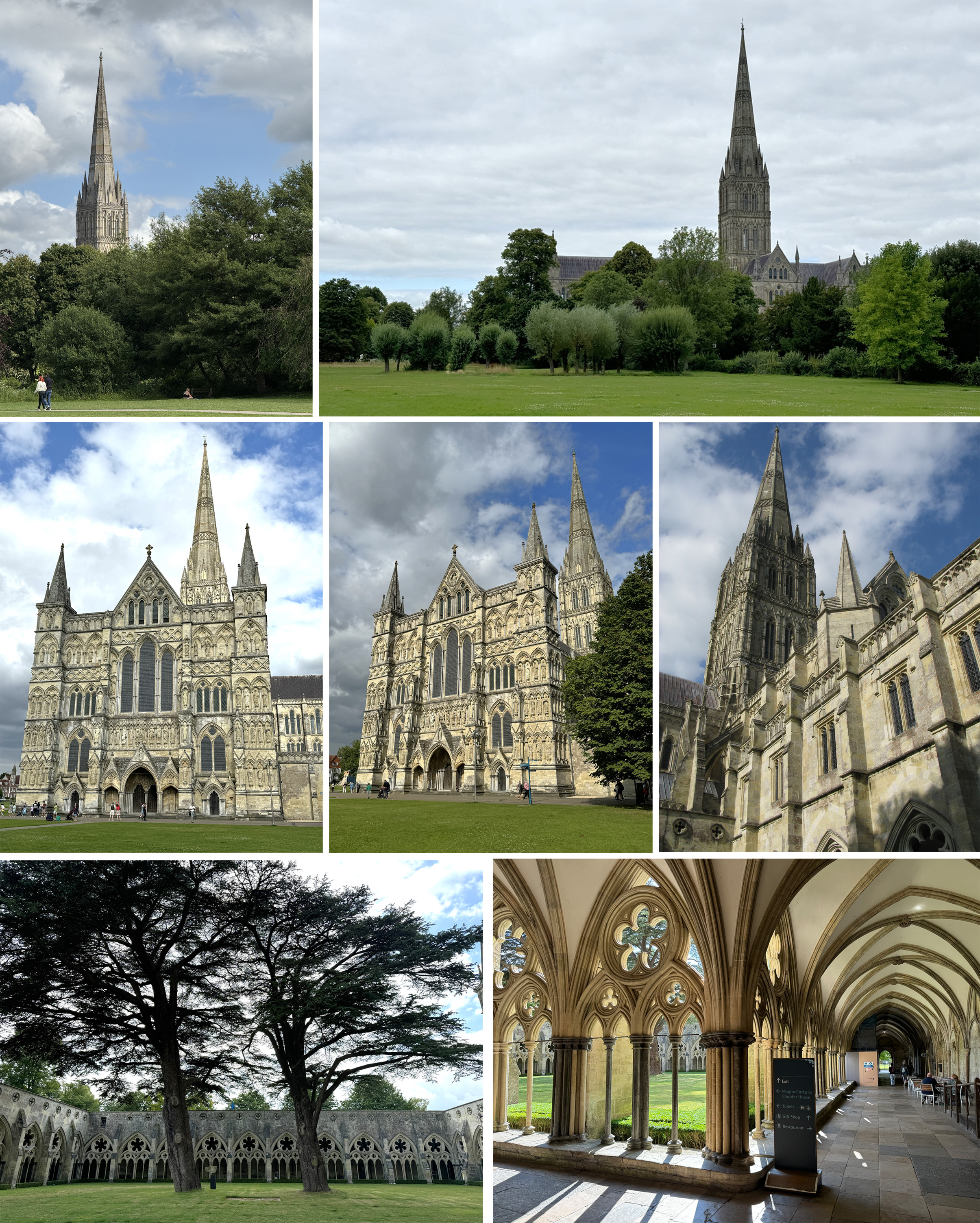
Salisbury Cathedral
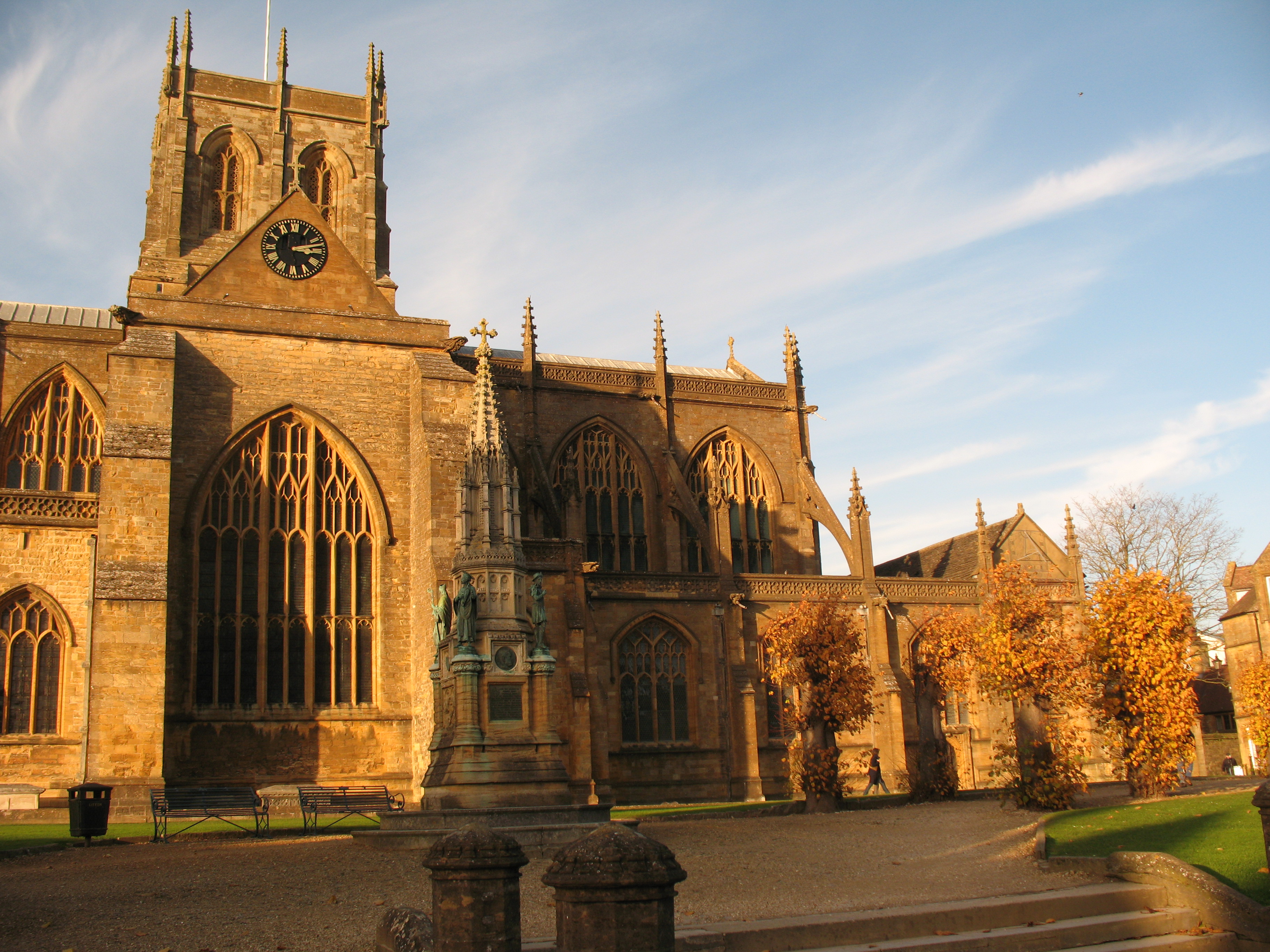
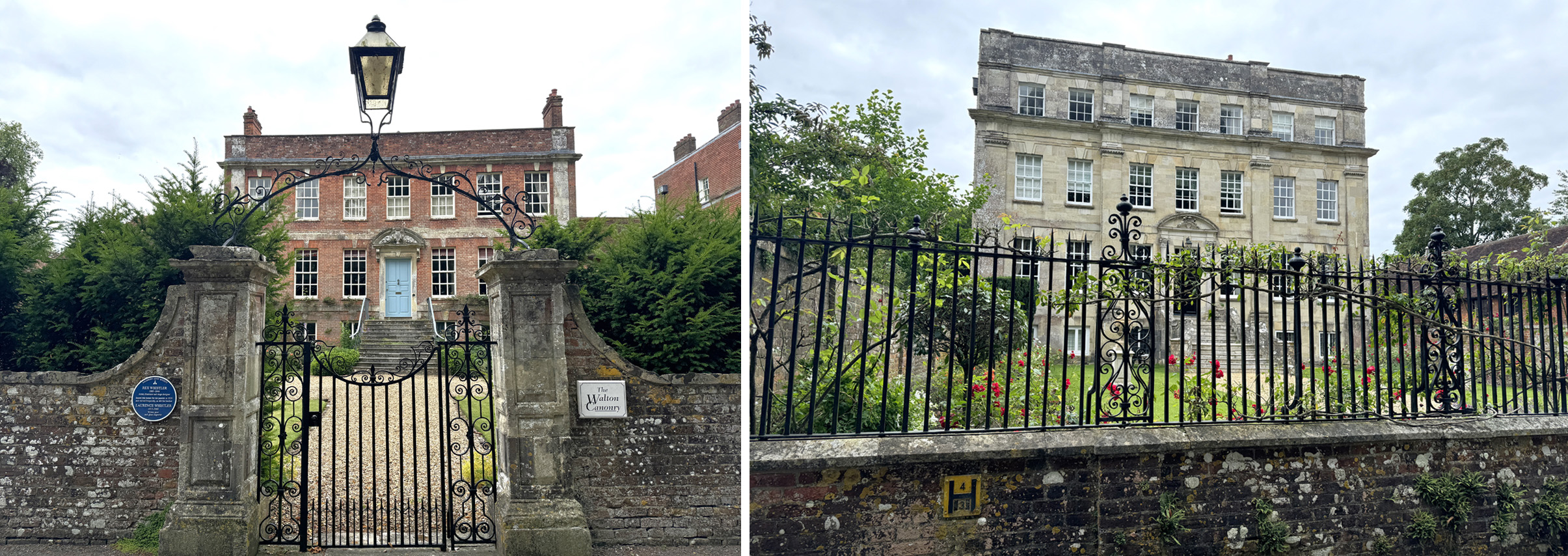
Salisbury is synonymous with its famous cathedral which is perhaps the finest example of Early English Gothic Architecture because it was built in just 38 years from 1220 to 1258 resulting in a harmonious and consistent design. The tower and famous spire of 123 metres (the tallest in England) were added a century later. The cathedral was immortalised in the famous painting by John Constable and contains one of the world’s oldest working clocks, and one of only four surviving original copies of the Magna Carta is found in the Chapter House. Like most cathedrals in England the cathedral is surrounded by a large grassy area known as a ‘Close’. As the cathedral is considered the ‘heart’ of the city the function of a Close is to protect the city’s most important organ from the hustle and bustle, noise and spiritual pollution of the surrounding city. So the function of a Close is to have a quiet area surrounding the cathedral. The famous Architectural historian Nikolaus Pevsner described the large Close at Salisbury as ‘the most beautiful of English Closes’
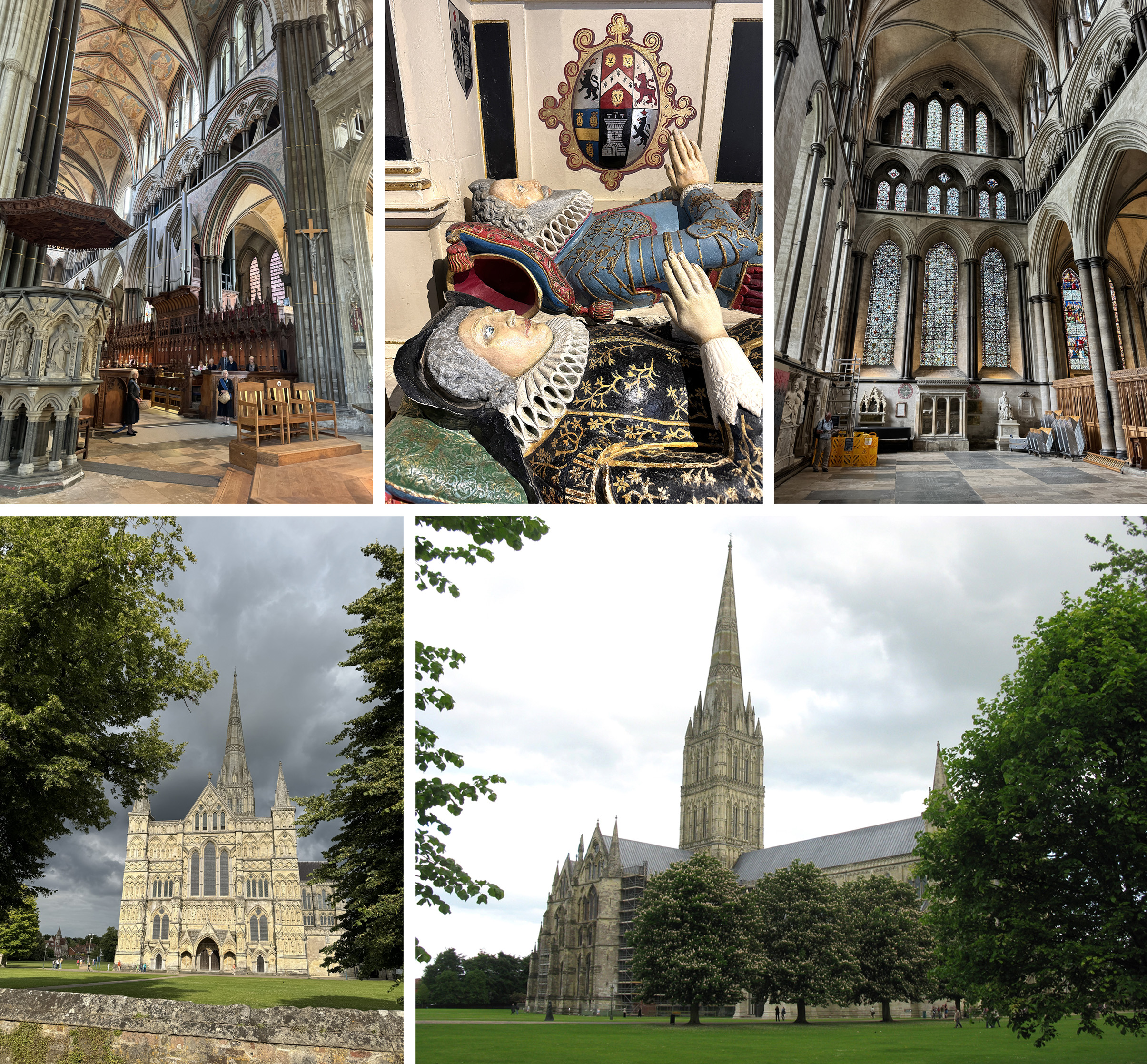
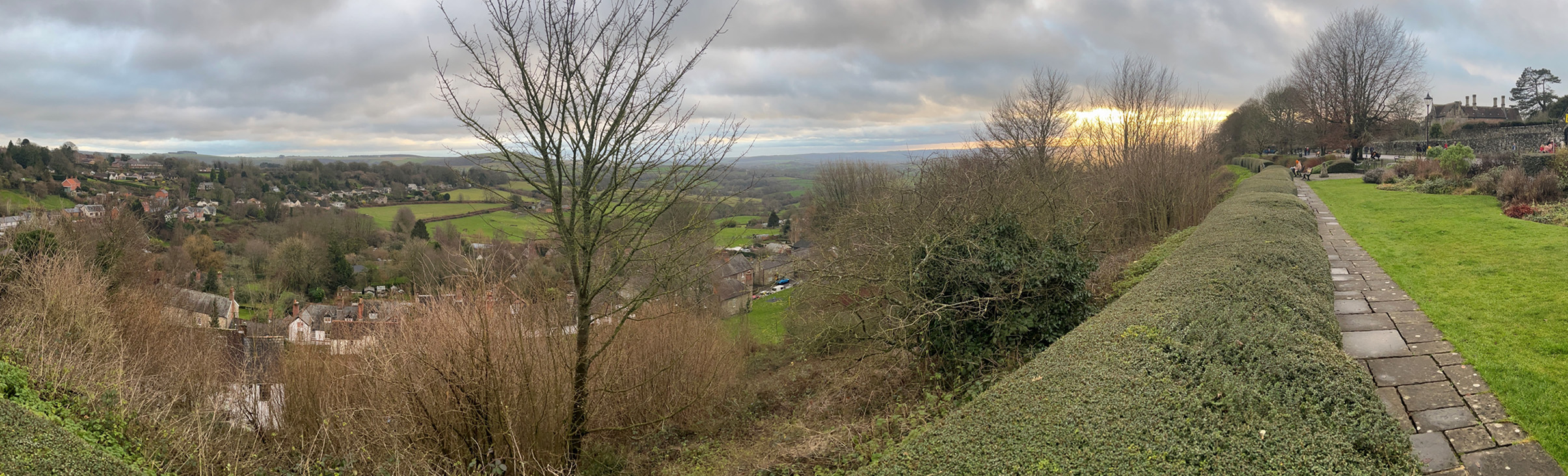
Shaftesbury
The hill top town of Shaftesbury in North Dorset is the home of Gold Hill, often described as the most photographed and picturesque street in the UK

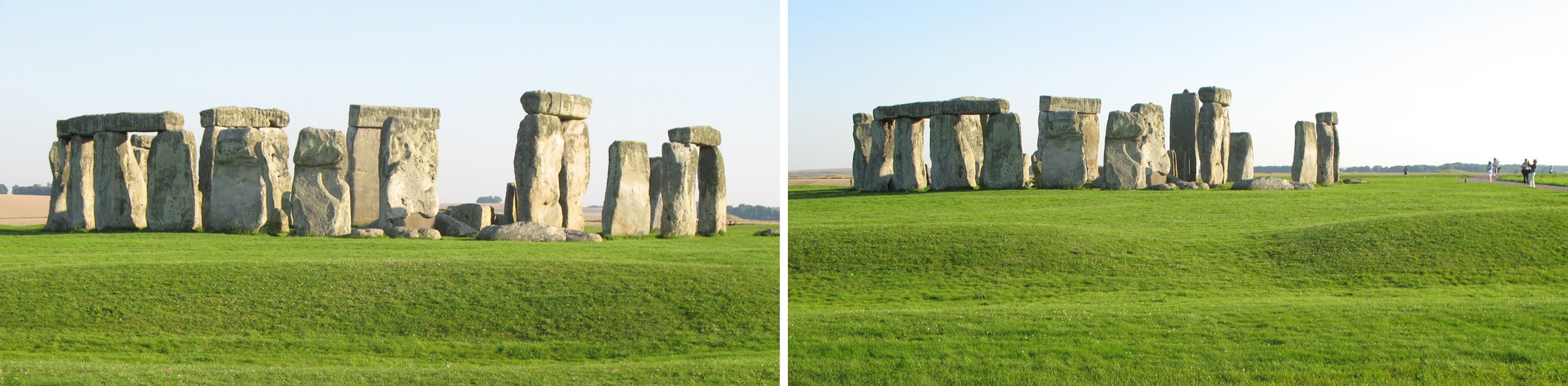
Stonehenge
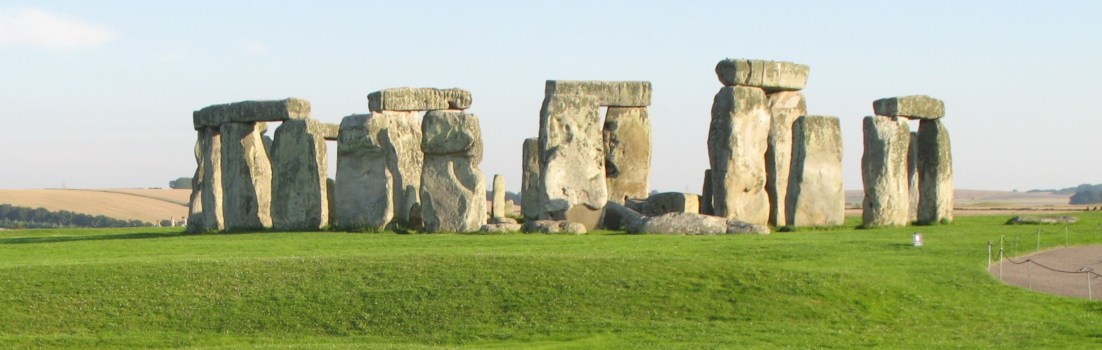
Stonehenge, still with so many mysteries about its origin and construction, is probably the most famous prehistoric monument in Europe. It is clearly visible from the main road from London to the West of England and quite incapable of accommodating the number of visitors who want to park and view it. One used to be able to wander amidst the stones but not any longer!
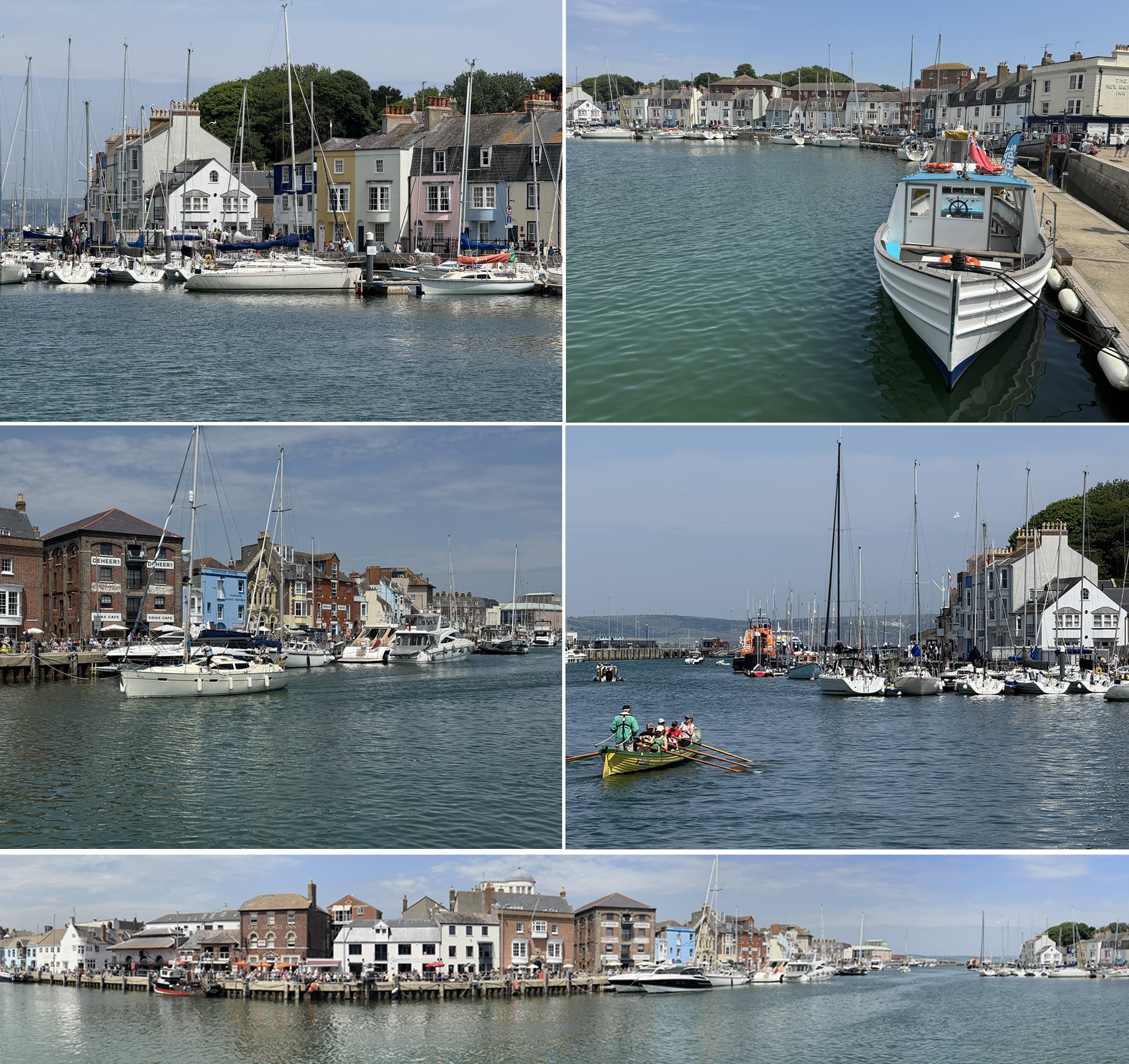
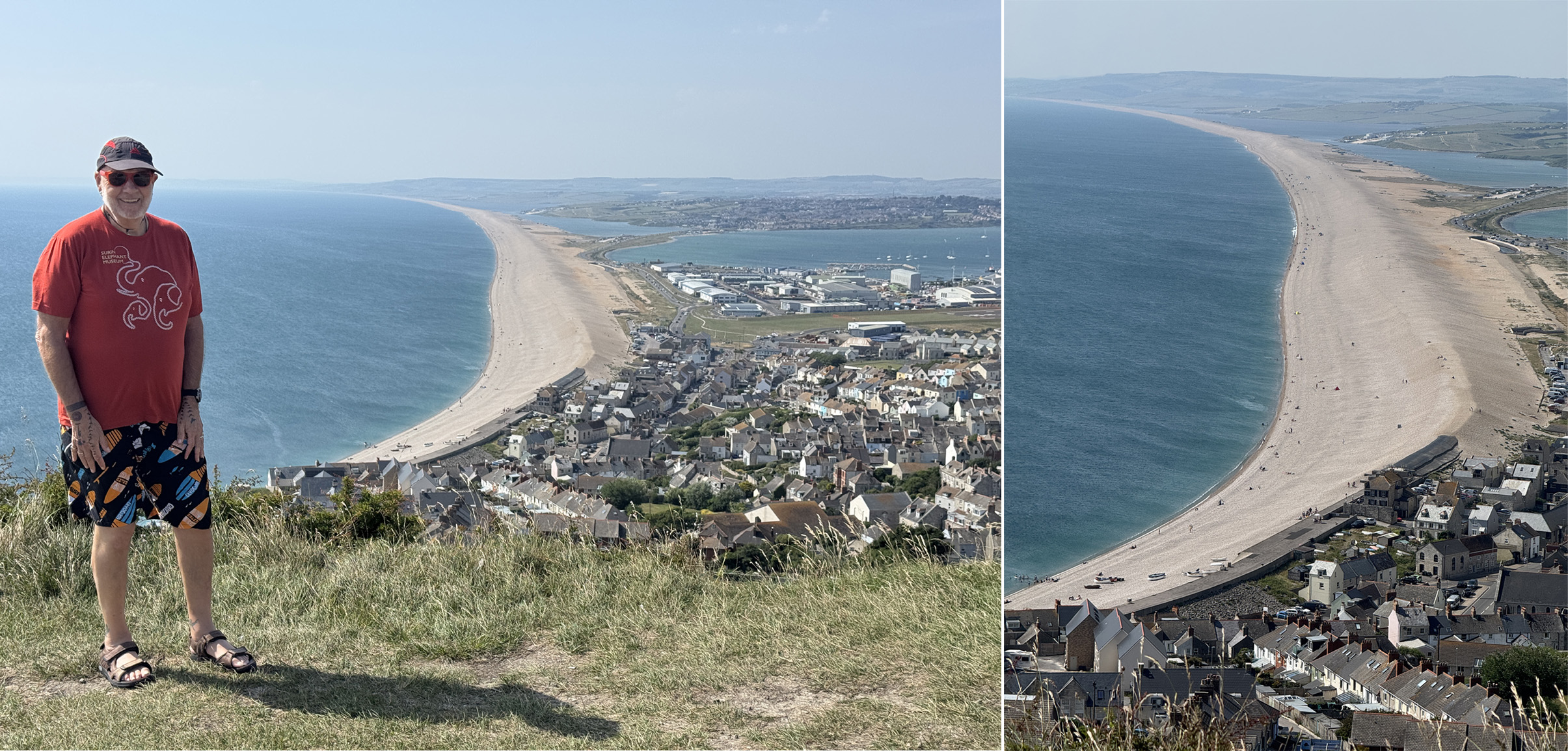
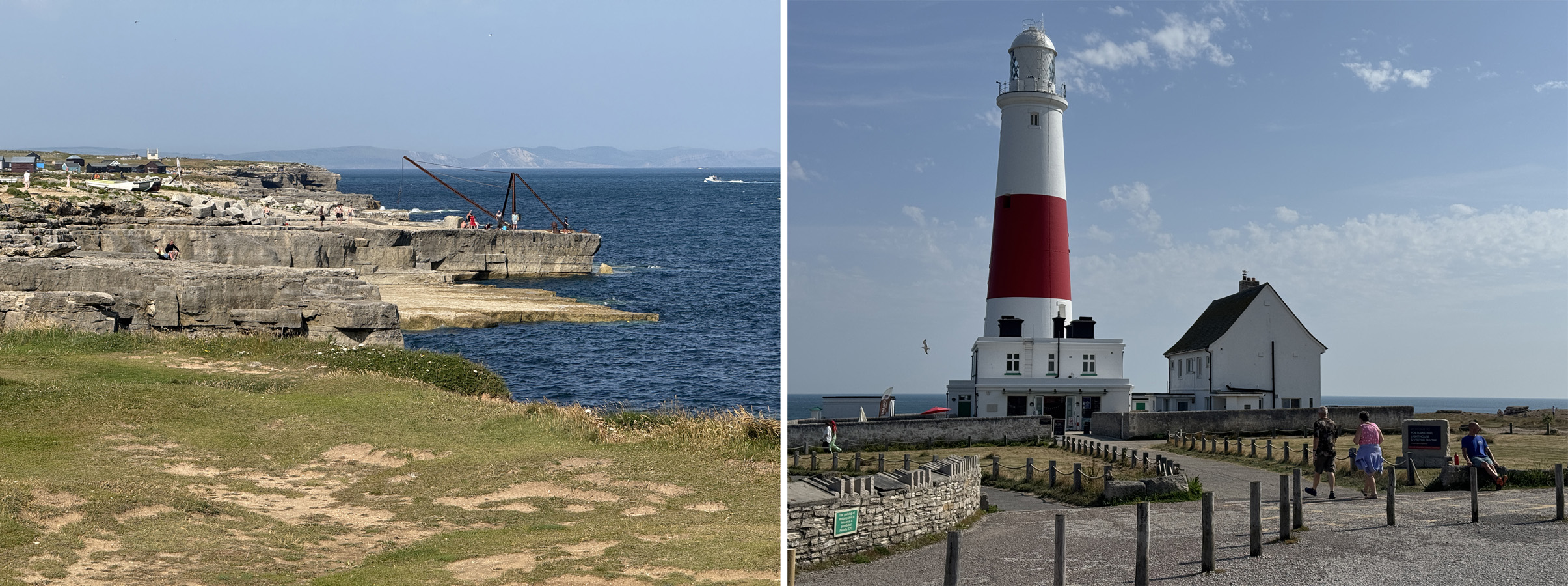
Weymouth and the Isle of Portland
Weymouth is a seaside resort largely dependent on tourism since King George III was a regular visitor in the late 18th century. George III popularised sea swimming using a bathing machine and tourists have been coming ever since! The picturesque harbour is home to a commercial fishing fleet and pleasure boats taking groups to view Dorset’s famous Jurassic coastline.
The Isle of Portland also known as Portland Bill is not a true island, but a promontory connected to the mainland by a short causeway and also by Chesil Beach which is 18 miles long.

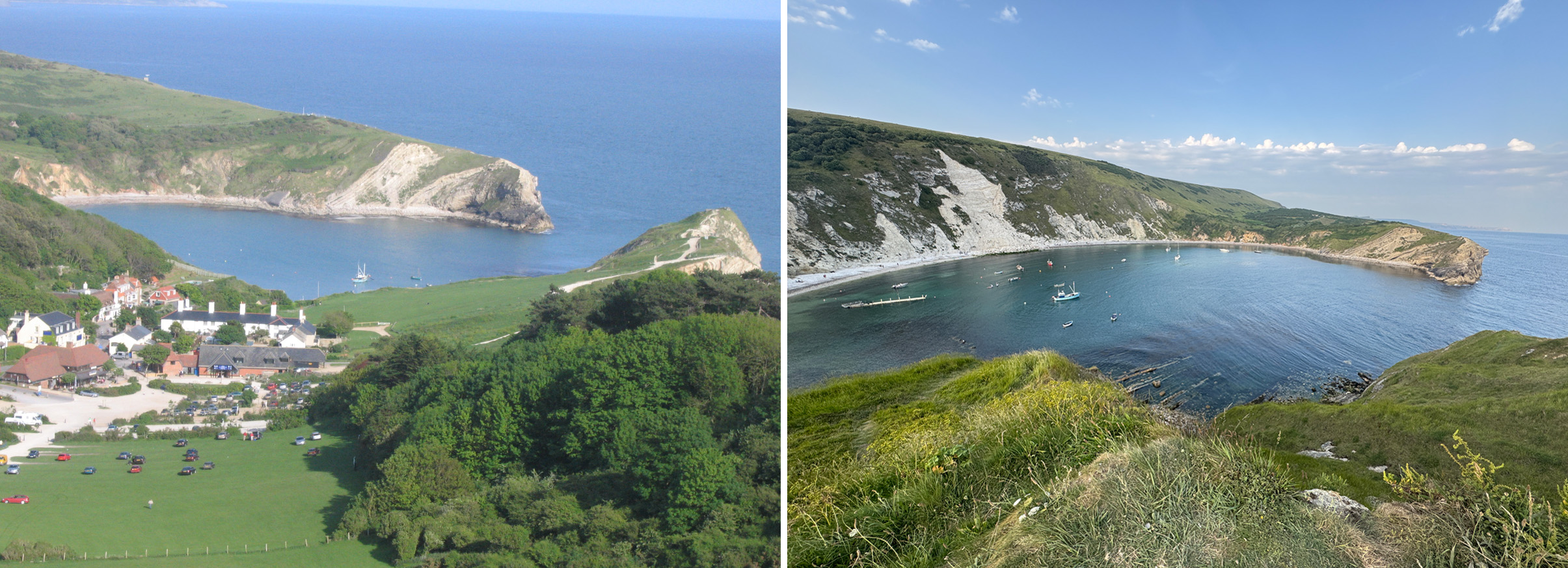
Lulworth Cove and Durdle Door
Lulworth Cove is a World Heritage Site on the Jurassic Coastline and one of the most well-known landforms in the British Isles. It attracts over half a million visitors annually. A clifftop footpath connects Lulworth Cove with the nearby natural arch, Durdle Door.


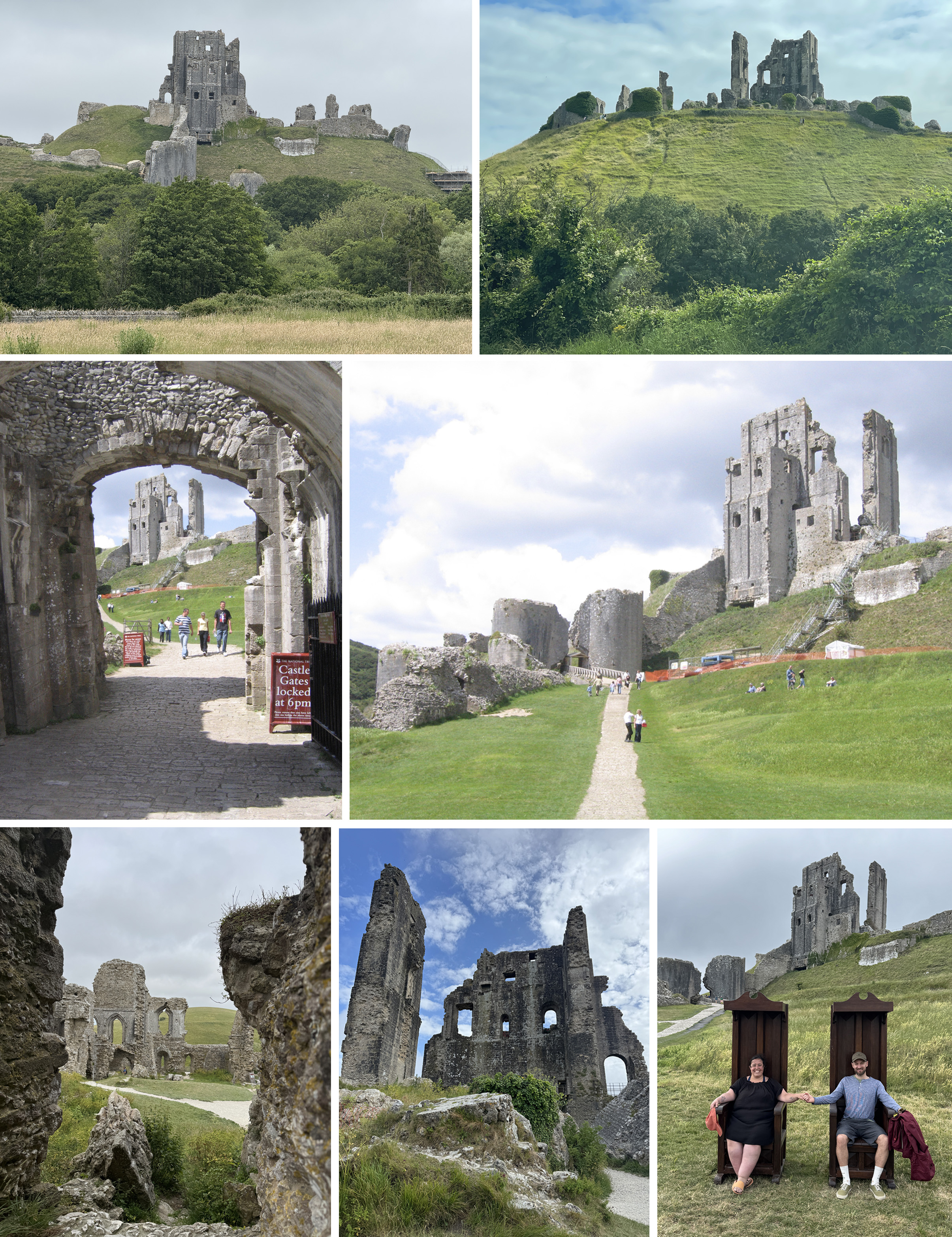
Corfe Castle
Corfe Castle is located on the Isle of Purbeck peninsular a few miles inland from Swanage. It was one of the earliest castles to be built in England being built by William the Conqueror in the 11th century and was deliberately destroyed in 1645 on orders from parliament during the English Civil War. The picturesque ruins attract a quarter of a million visitors annually.
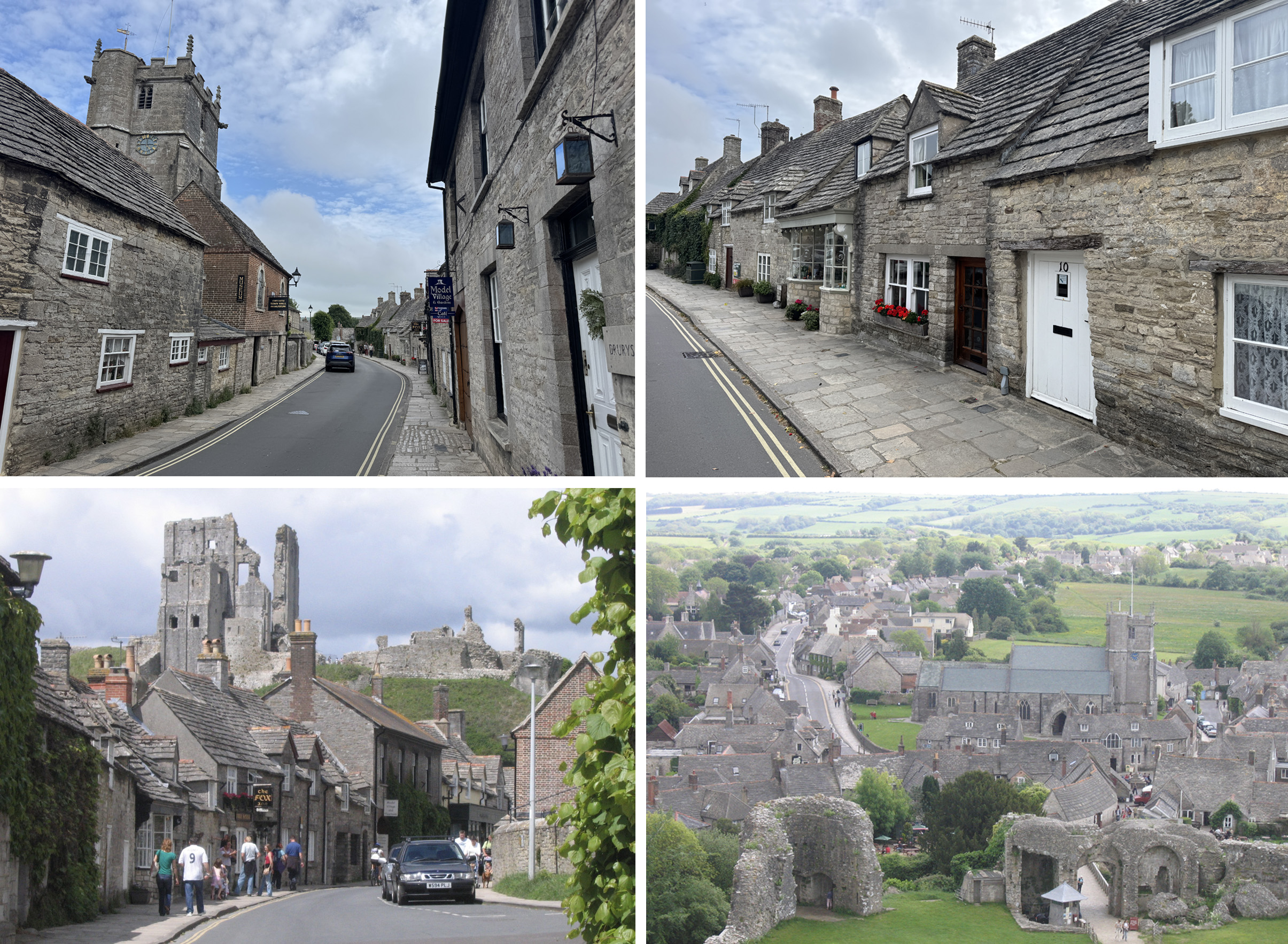
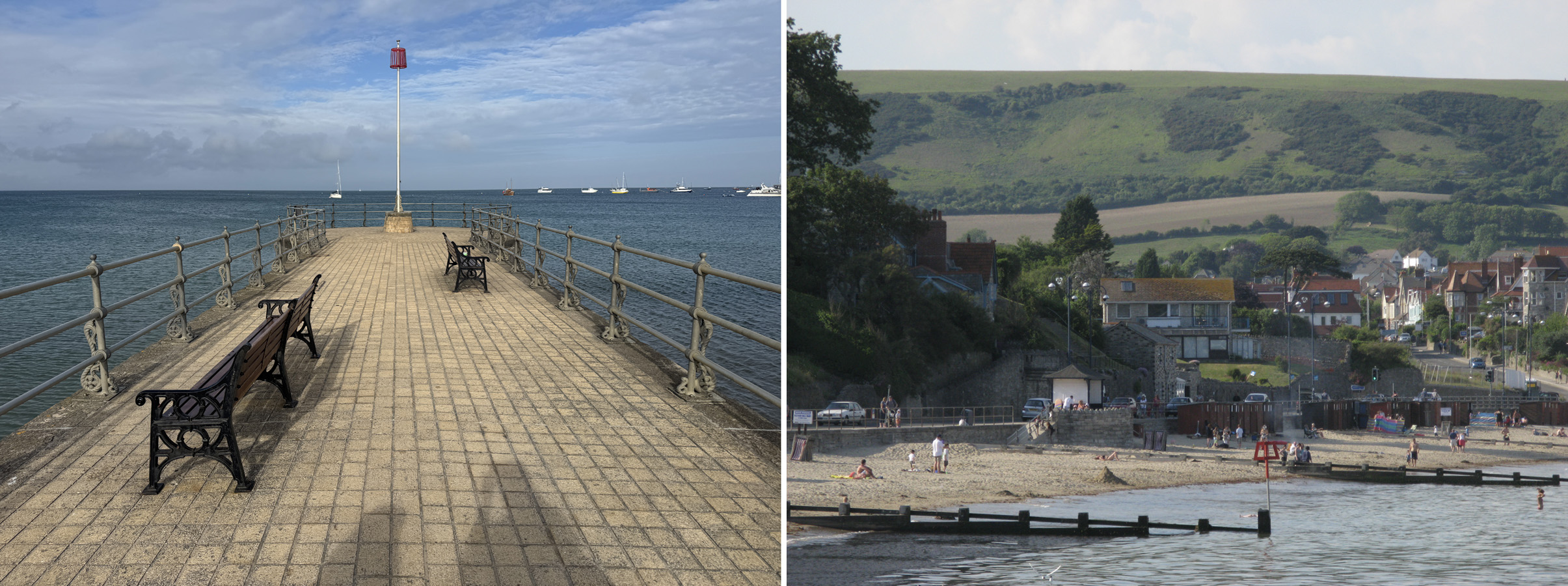
Swanage
Swanage is a small coastal town on the Isle of Purbeck and a popular summer holiday resort. Visitors are attracted by the sandy beach and nearby attractions including Ballard Down and the Old Harry Rocks, Studland Beach and Corfe Castle


And in addition…………………..
There are many other attractions in Wessex that I have not included in this photo essay because we did not visit them in 2024 or 2025.
I will include some of these additional destinations and attractions below with images taken from earlier visits, so the reader has as full a picture of ‘Wessex’ as is possible.
The Jurassic Coast
The Jurassic Coast is a World Heritage Site that stretches from Studland Bay to East Devon, going from east to west this includes virtually all the Dorset coastline including the Old Harry Rocks, Swanage, Lulworth Cove, Durdle Door, Weymouth, the Isle of Portland, Chesil Beach, Bridport and Lyme Regis.
This was the first wholly natural World Heritage Site to be designated in the United Kingdom.
The following images shows the reader why this is such an attractive area to visit and easily in many areas.
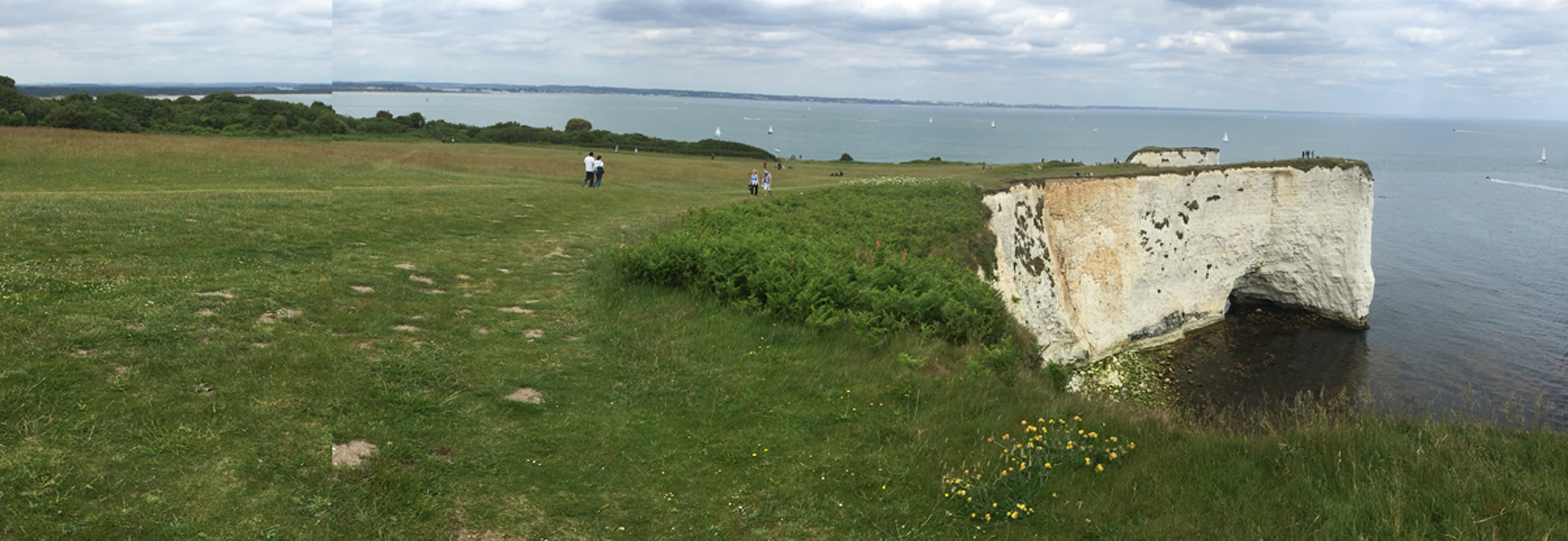
Studland to Swanage via the Old Harry Rocks: There is an easy but spectacular walk from Studland to Swanage via the Old Harry Rocks and Ballard Down. It is also possible to make a short and easy return walk along the cliff tops from Studland to the Old Harry Rocks.
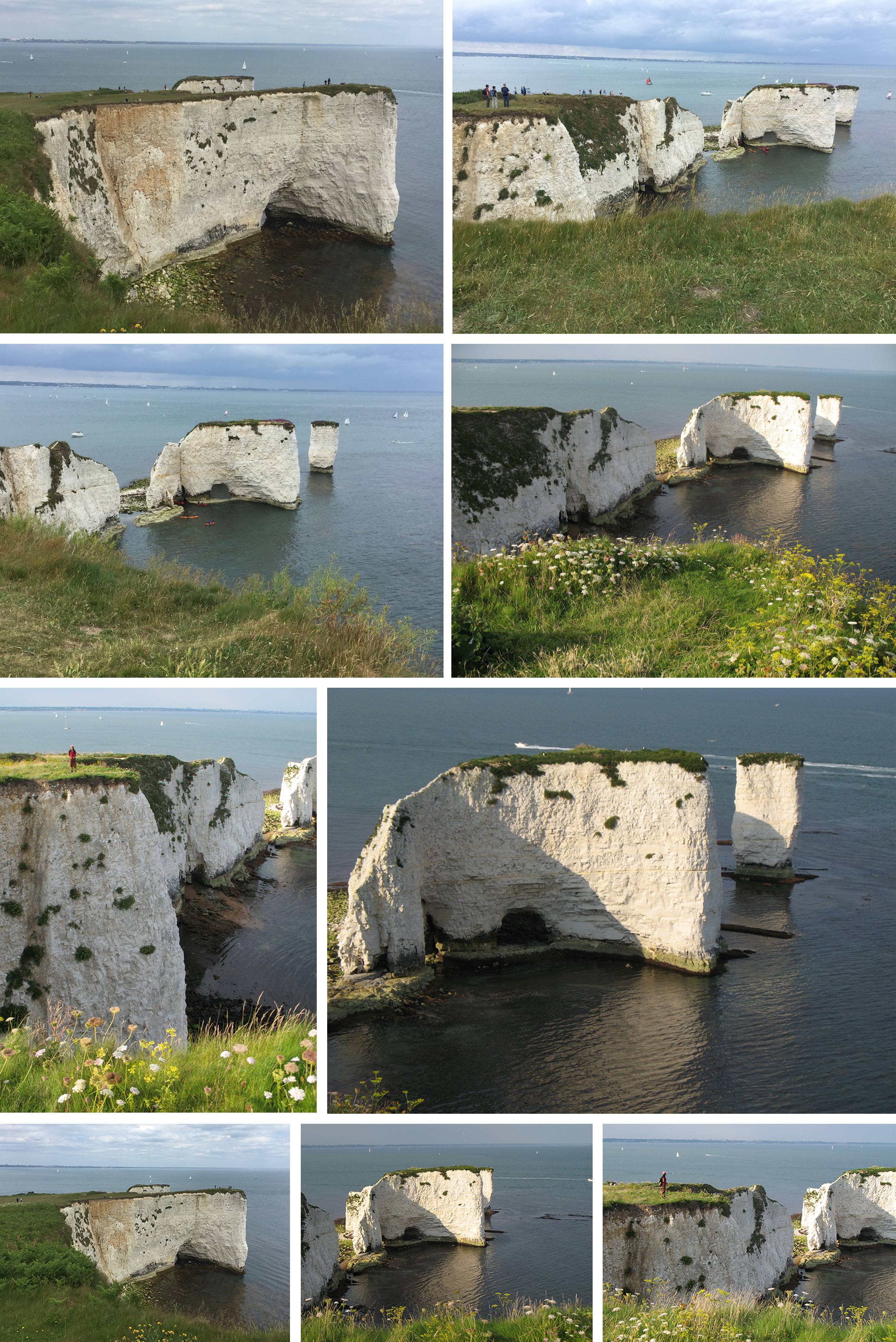
Around Swanage:

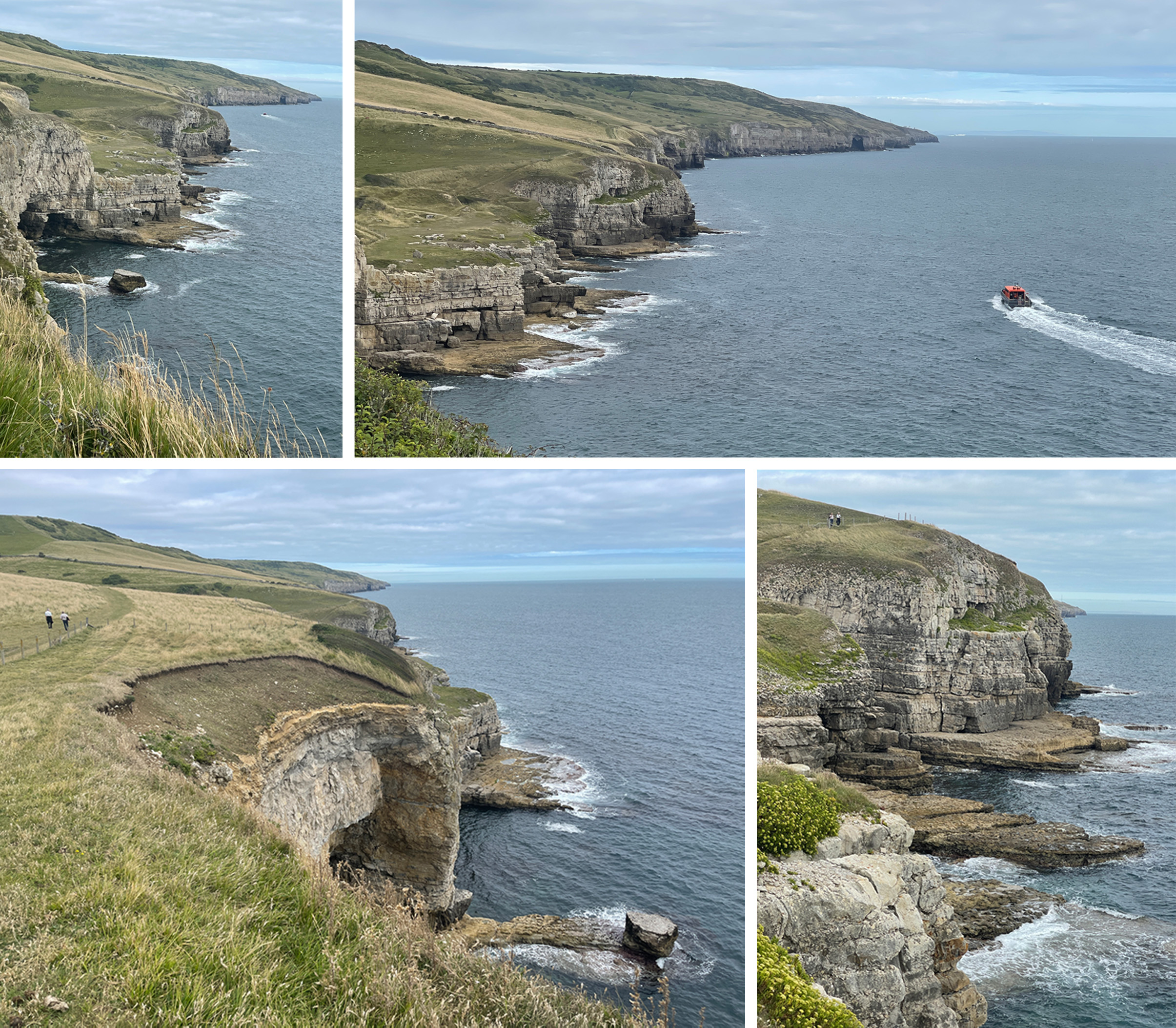
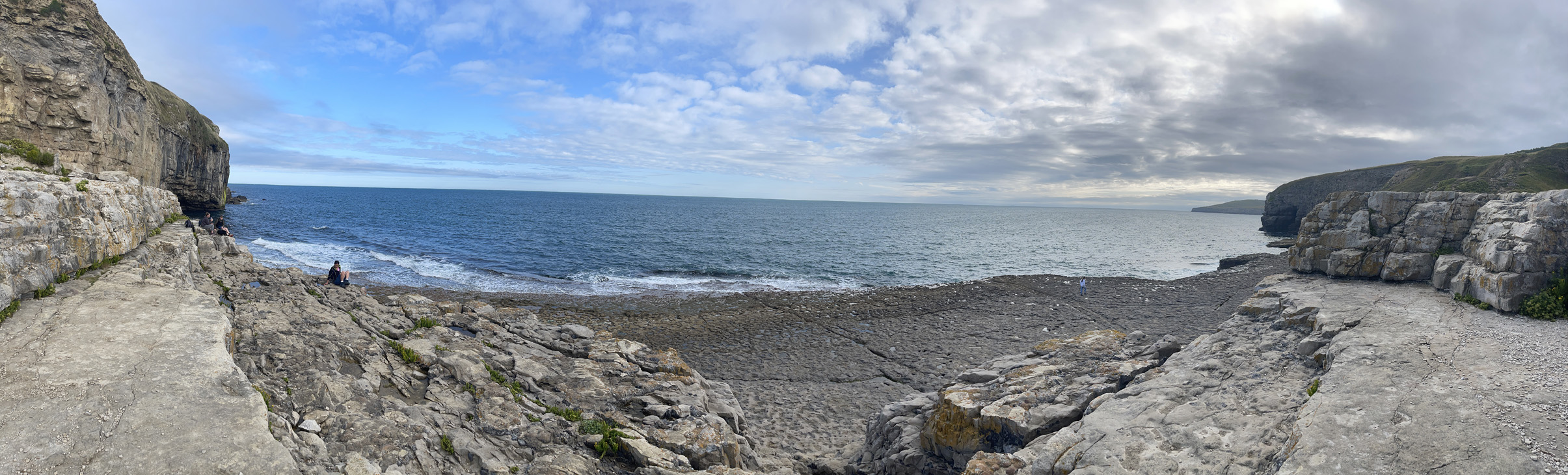
Dancing Ledge: There is an easy clifftop circular walk from the village of Worth Matravers to the wave cut platform know as Dancing Ledge
Lulworth Cove It is difficult to find a more beautiful natural cove in the British Isles (See also above):
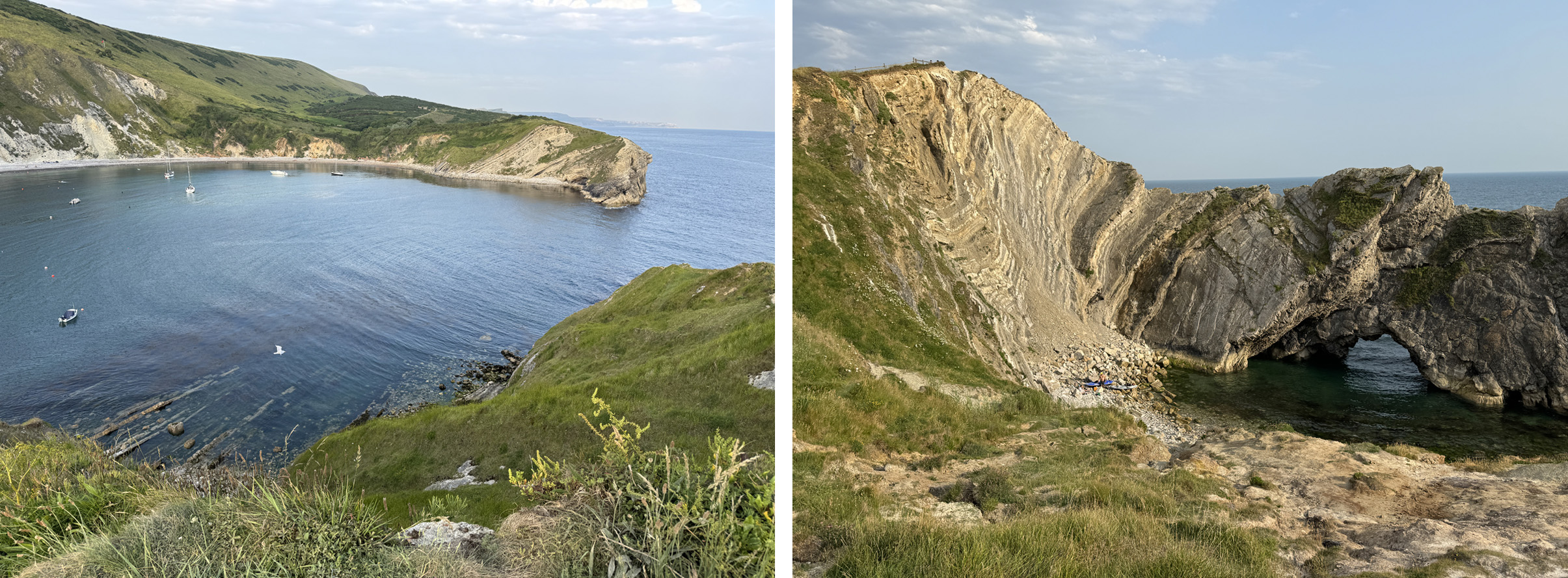
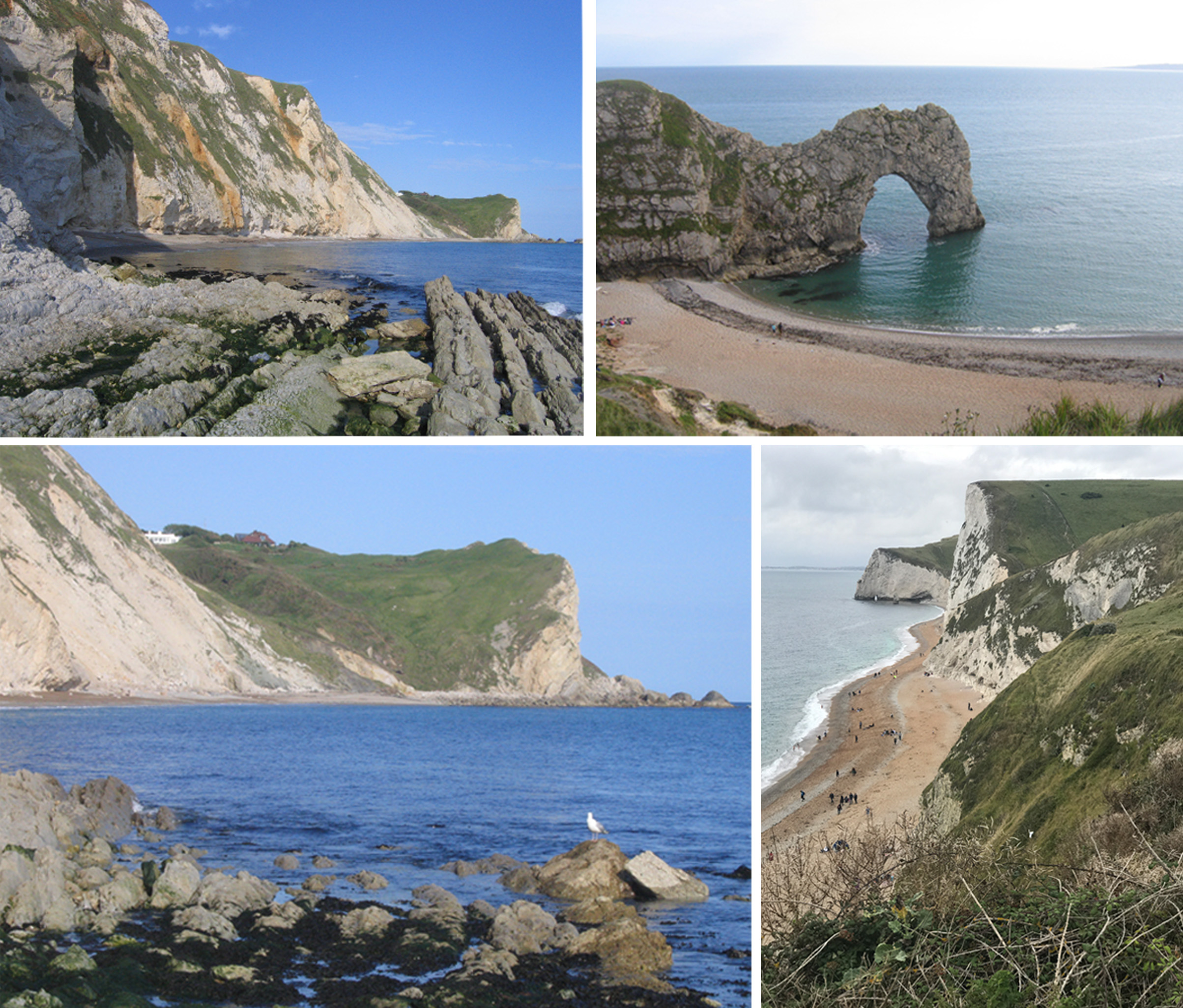
Durdle Door Probably the most well-known sea arch in Britain (See also above):

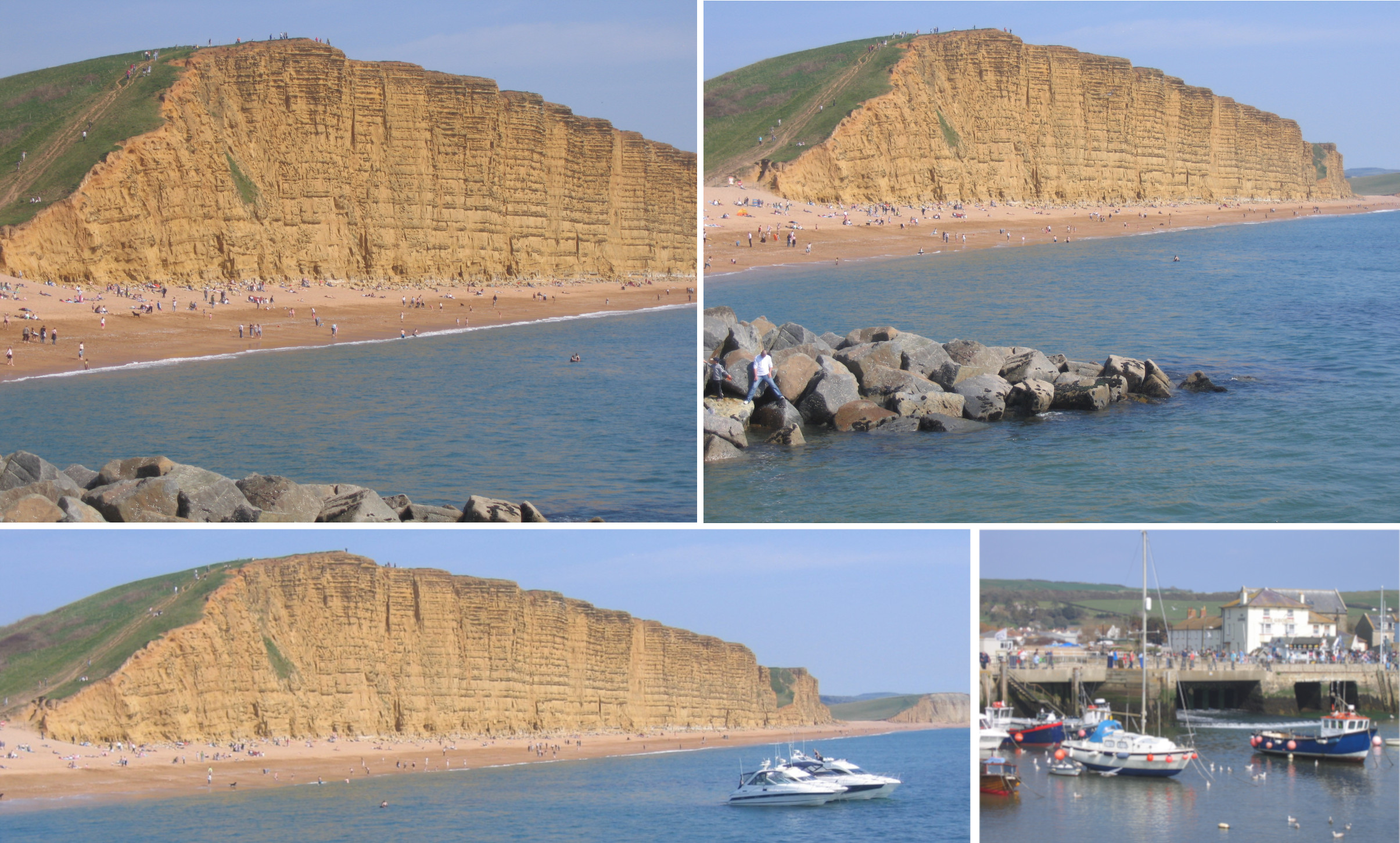
Bridport The Golden Sandstone Cliffs at West Bay are one of the most iconic spots of the Jurassic Coast and are sometimes called ‘Broadchurch Cliffs’ because they featured prominently in the TV series Broadchurch.
Lyme Regis
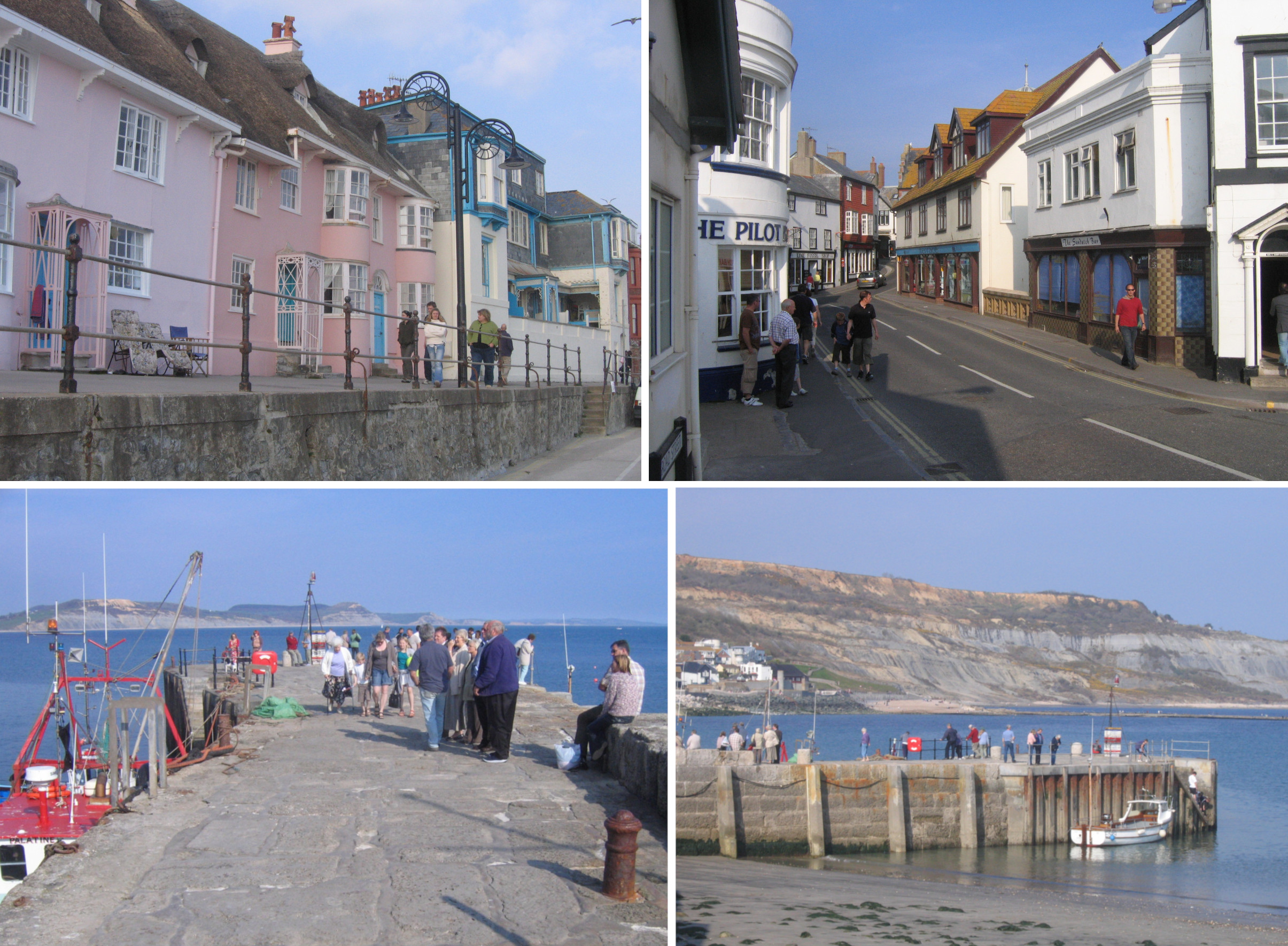
Picturesque Lyme Regis is located halfway between Dorchester and Exeter on the Somerset-Dorset border and is famous for the fossils found on its beach and in the nearby cliffs. It is perhaps the town most closely associated with the Jurassic coastline, and many of the earliest discoveries of dinosaur and other prehistoric remains were made around Lyme Regis. The Harbour Wall is known as The Cobb and features in both Jane Austen’s ‘Persuasion’ and John Fowles ‘The French Lieutenant’s Woman’
Stourhead House and Gardens
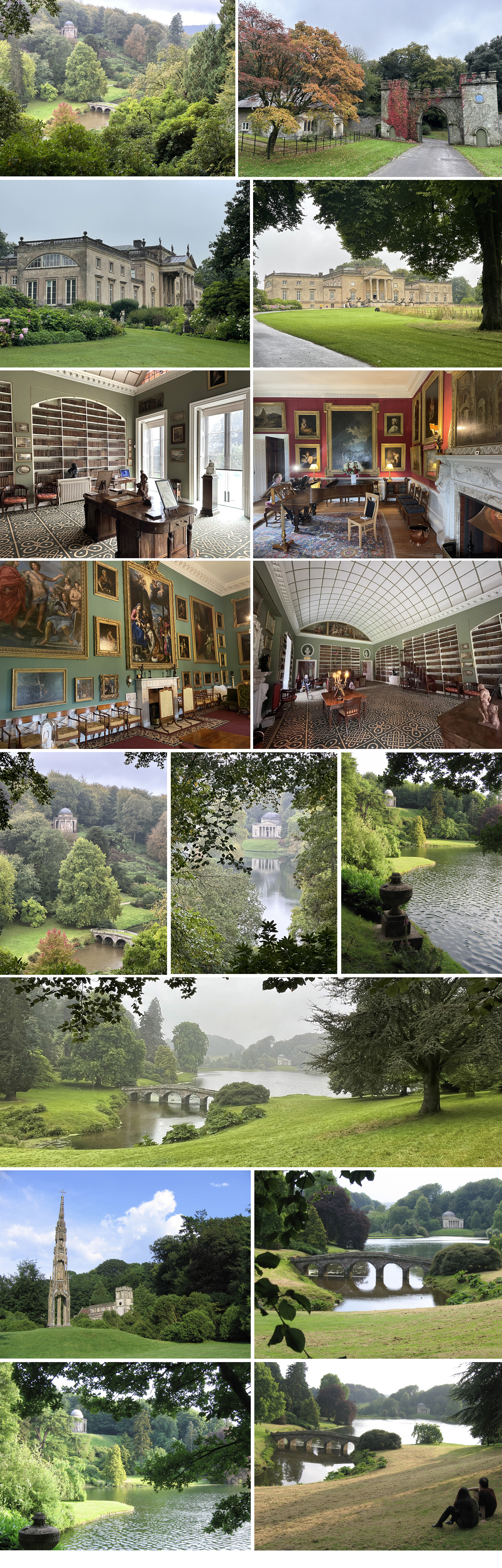
Stourhead House is a 1902 reconstruction of a Stately Home built almost 200 years earlier. The House contains a large library and art collection and is surrounded by one of the most famous landscaped gardens in England laid down between 1741 and 1780 and set around a large artificial lake. The Gardens incorporate bridges, temples, an obelisk and tower and contain a large collection of trees and plants from around the world.
Longleat House and Safari Park
Longleat House was completed in 1579 and is considered to be one of the finest examples of Elizabethan architecture in the United Kingdom. It is set amidst parklands and landscaped gardens designed by the famous landscape gardener Capability Brown. Longleat was the first Stately home in Britain to open its doors to the paying public and also has a renowned Safari Park in its grounds, the first to be established outside of Africa.

The Newt in Somerset
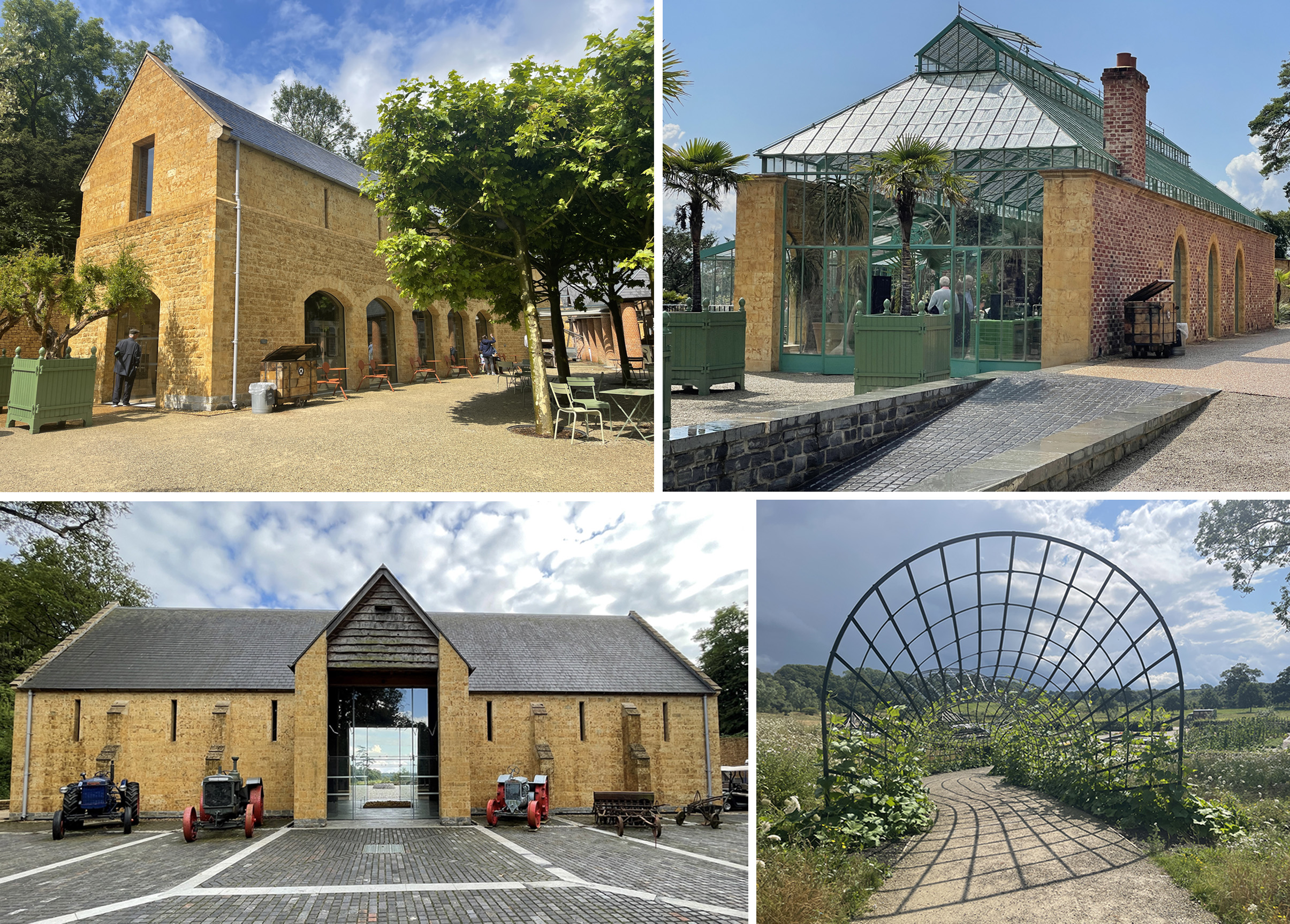
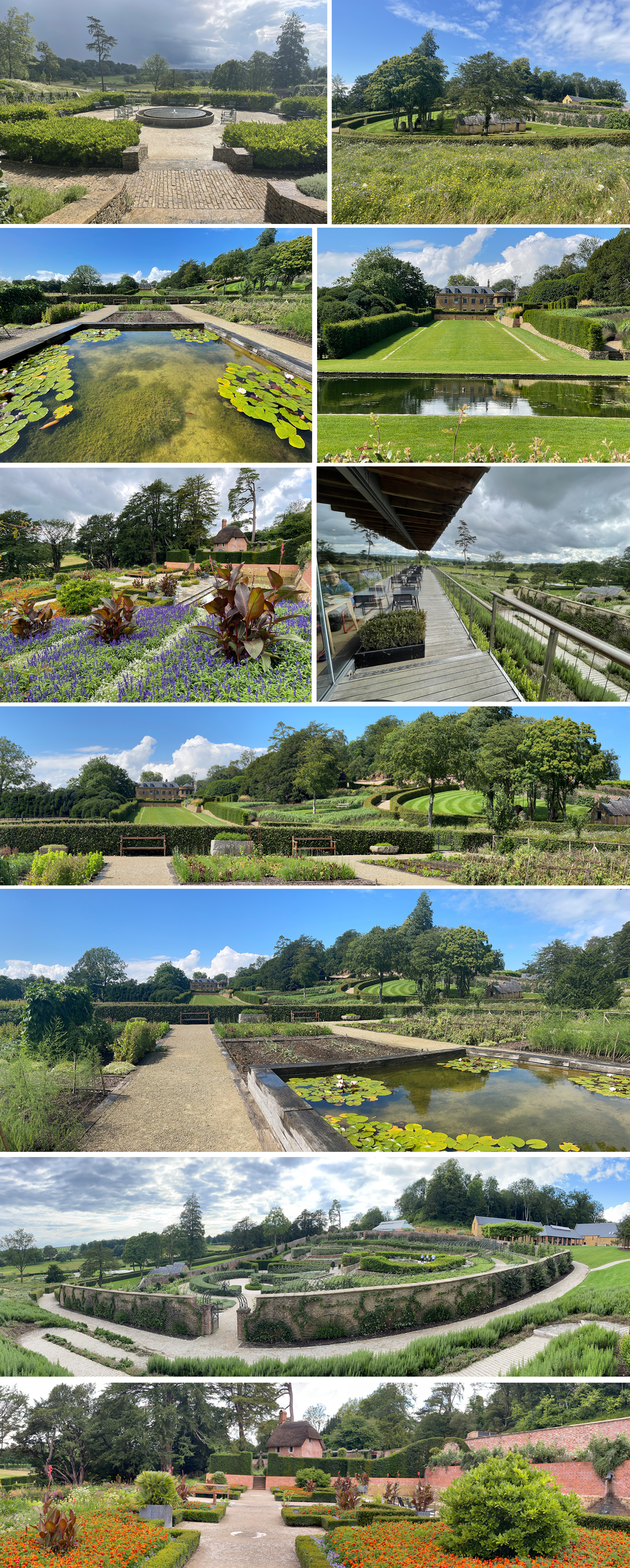
The Newt is the most recent addition to the list of major attractions in Somerset and the brainchild of billionaire South African Koos Bekker who purchased 300 year old Hadspen House in 2013. No expense has been spared in restoring the House and attached buildings and converting it to a luxury hotel whilst transforming the grounds and gardens into a magnificent attraction for people to visit with either a daily admission or annual membership.
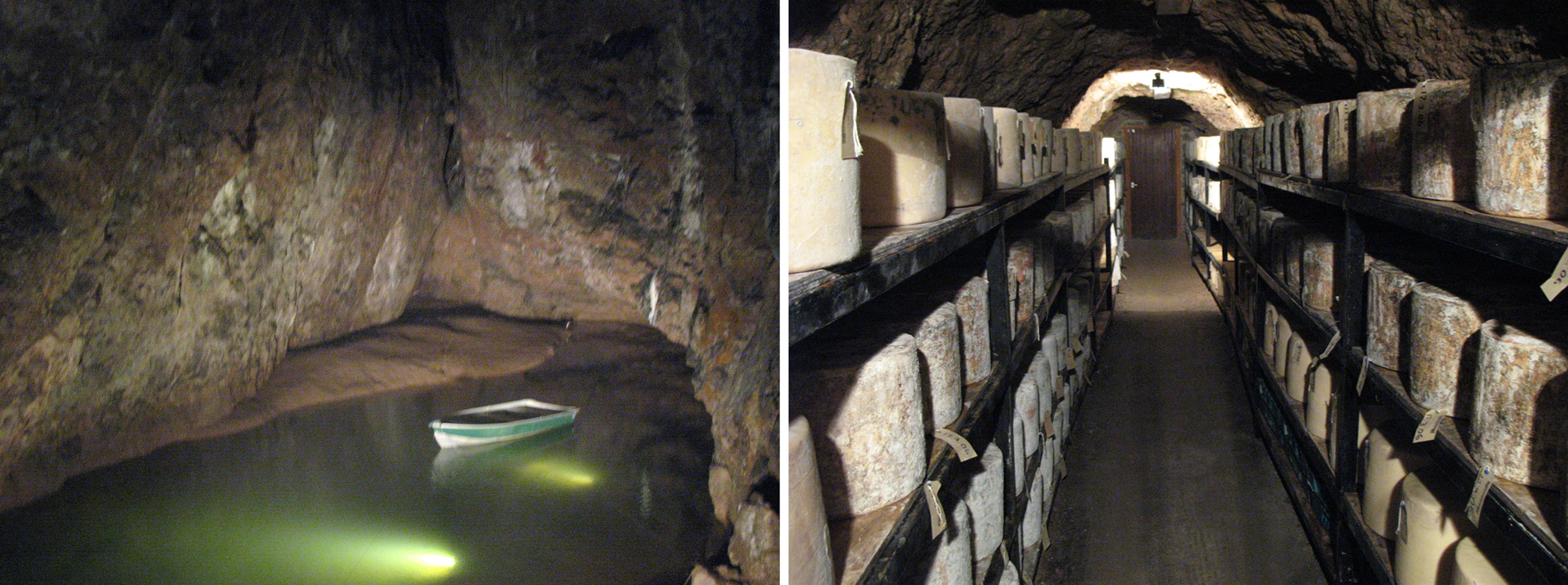
Wookey Hole Caves
The caves have been open to the public since 1927 together with an associated Paper Mill and have been a longstanding attraction to both visitors and locals alike.
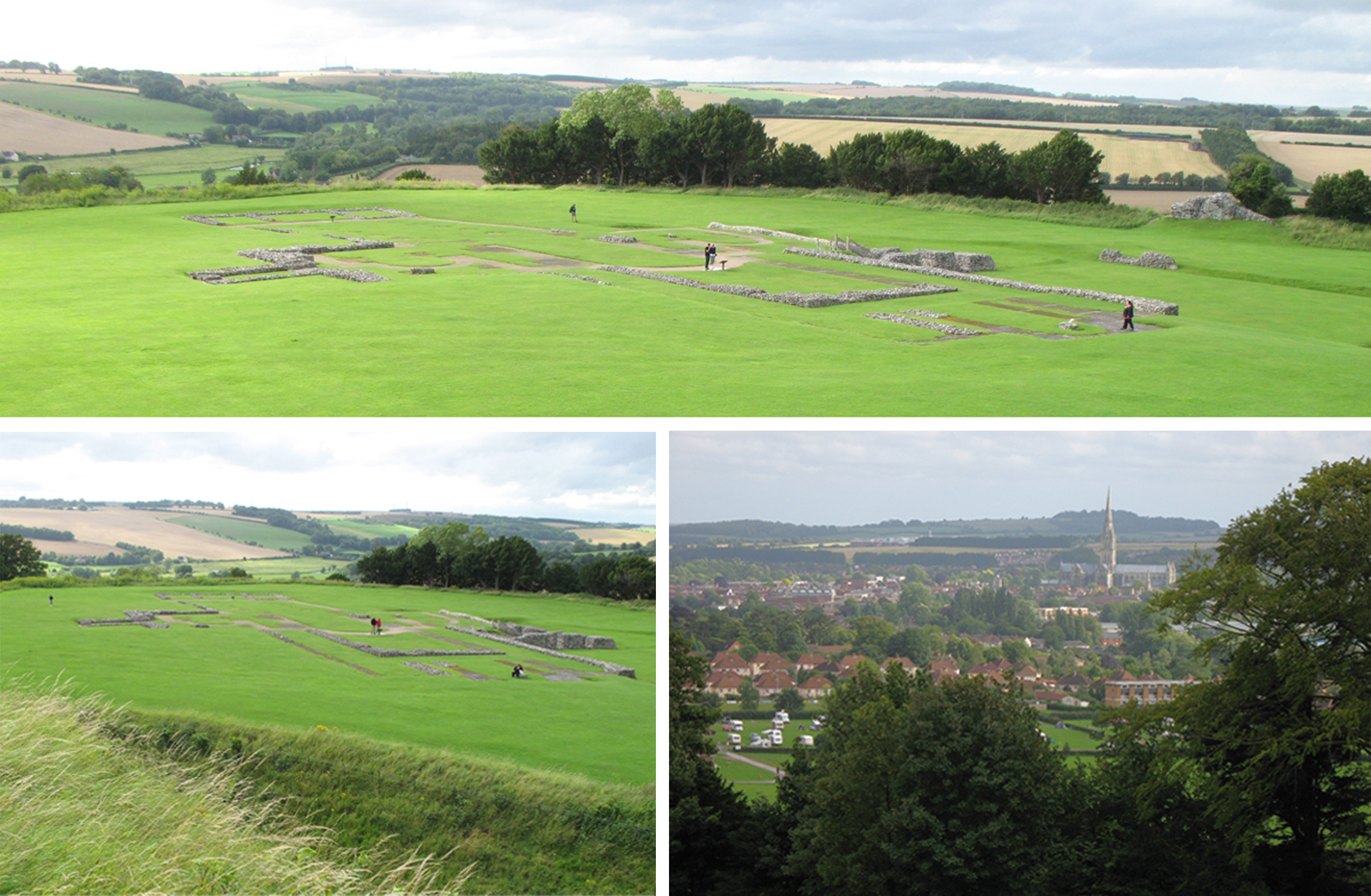
Old Sarum
After his successful invasion of England, it was at Old Sarum in 1067 that William the Conqueror paid off his successful army and a great Cathedral and castle was built on the site which had previously housed an Iron Age hillfort and a Saxon Fort. A Royal Palace was built within the castle. However, a dispute between the local government and the Bishop of Salisbury together with an unreliable water supply resulted in the Cathedral of New Sarum or Salisbury being relocated to a lower elevation relocated just two miles to the south and which can be viewed from Old Sarum. Buildings were dismantled for the new construction and the castle was abandoned in 1322. All that remains of Old Sarum are the parts of the foundations for the cathedral and castle.
However, it makes an excellent day to combine visits to Stonehenge (Prehistoric England), Old Sarum (Norman England) and Salisbury (Medieval England) for an informative overview of English history as all three are located within a few miles of each other.
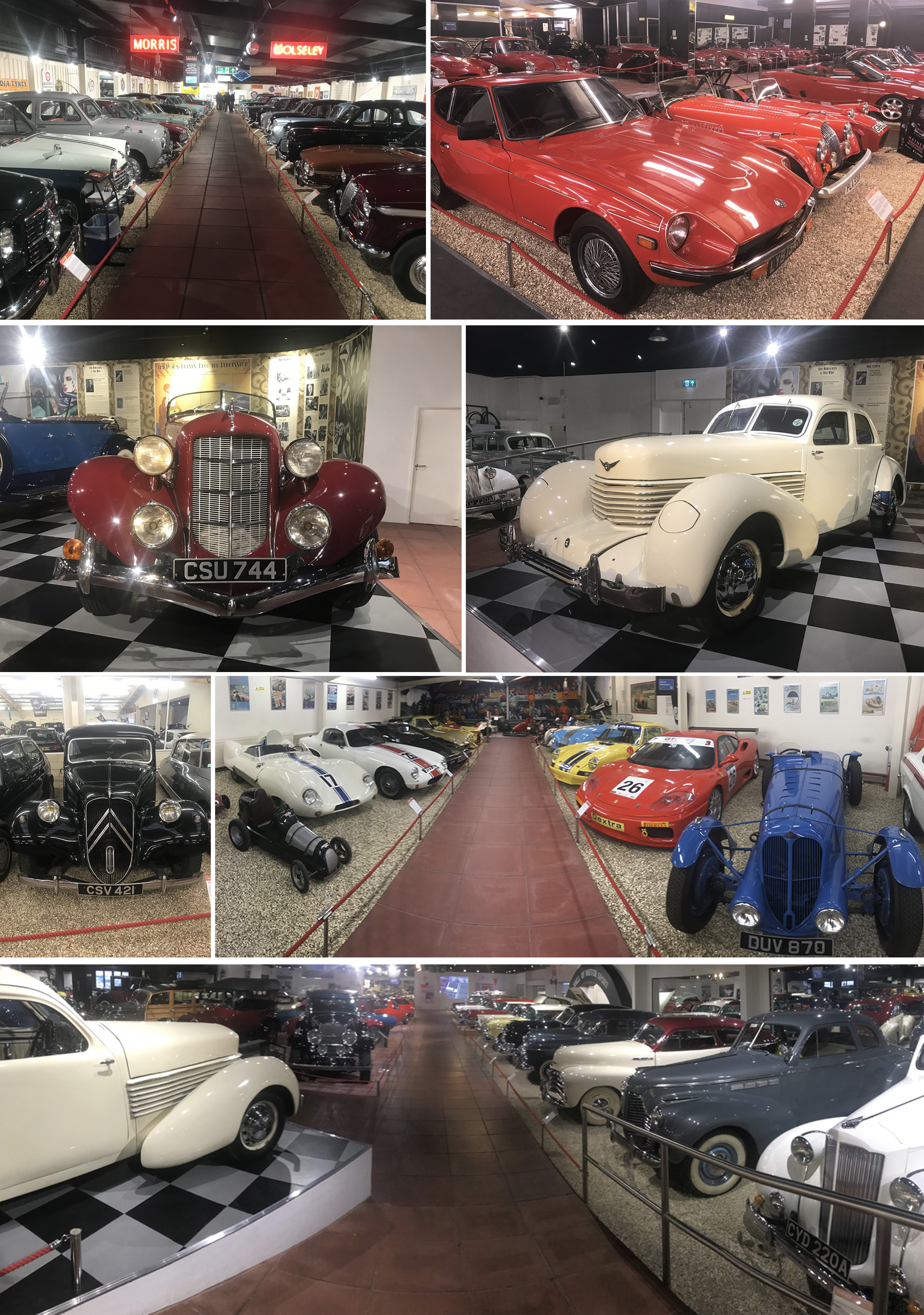
The Haynes International Motor Museum
The Haynes International Motor Museum at Sparkford Somerset contains over 400 cars and motor bikes. It is the largest international motor museum in the UK and is divided into 15 separately themed sections.
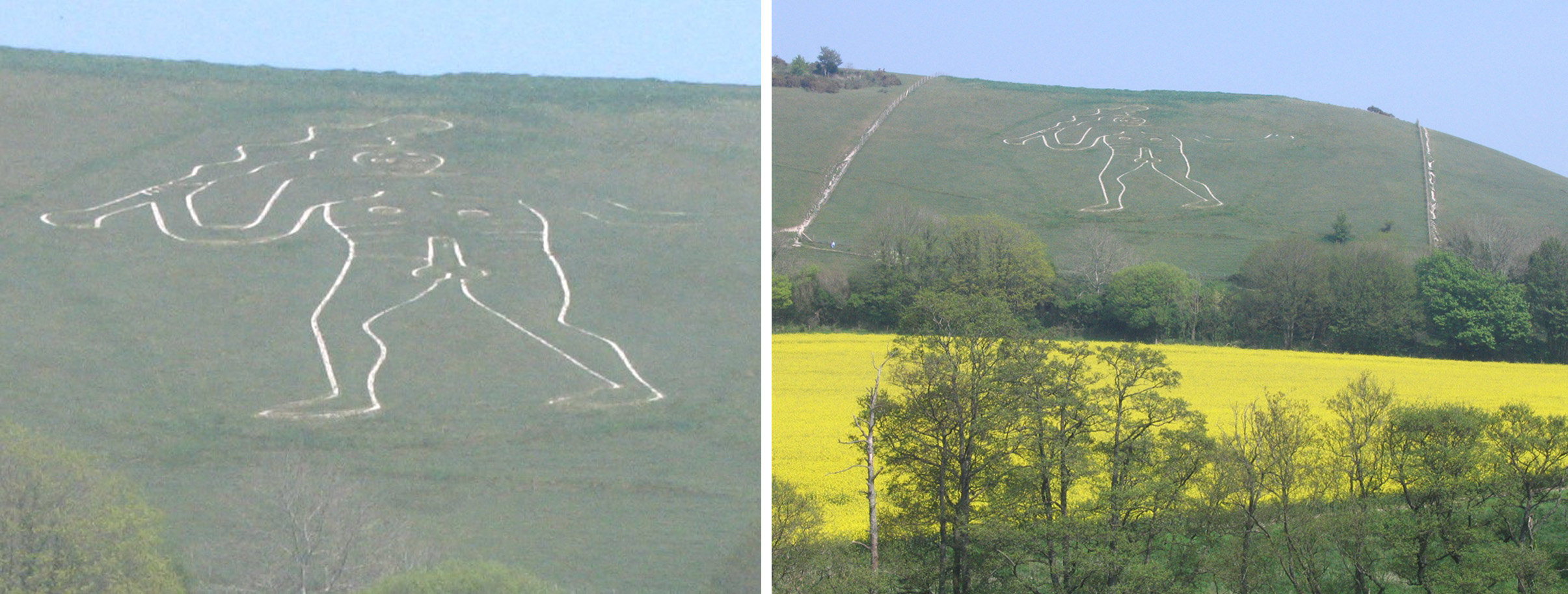
The Cerne Abbas Giant
The Cerne Abbas giant is a hill figure 55 metres long depicting a naked man with an erection and a large club in his right hand. Mystery surrounds the age and origin of the figure with some considering it to date from Roman times and depicting Hercules whilst others consider it dates from the 17th century. Recent scientific tests suggested 700 – 1100AD. Local culture and folklore has long associated the figure with fertility and couples who had difficulty in conceiving often believed a night of passion on the giant could provide a remedy! Indeed Thomas Hardy referred to this tradition in his nonfictional writings and notebooks.
Bournemouth
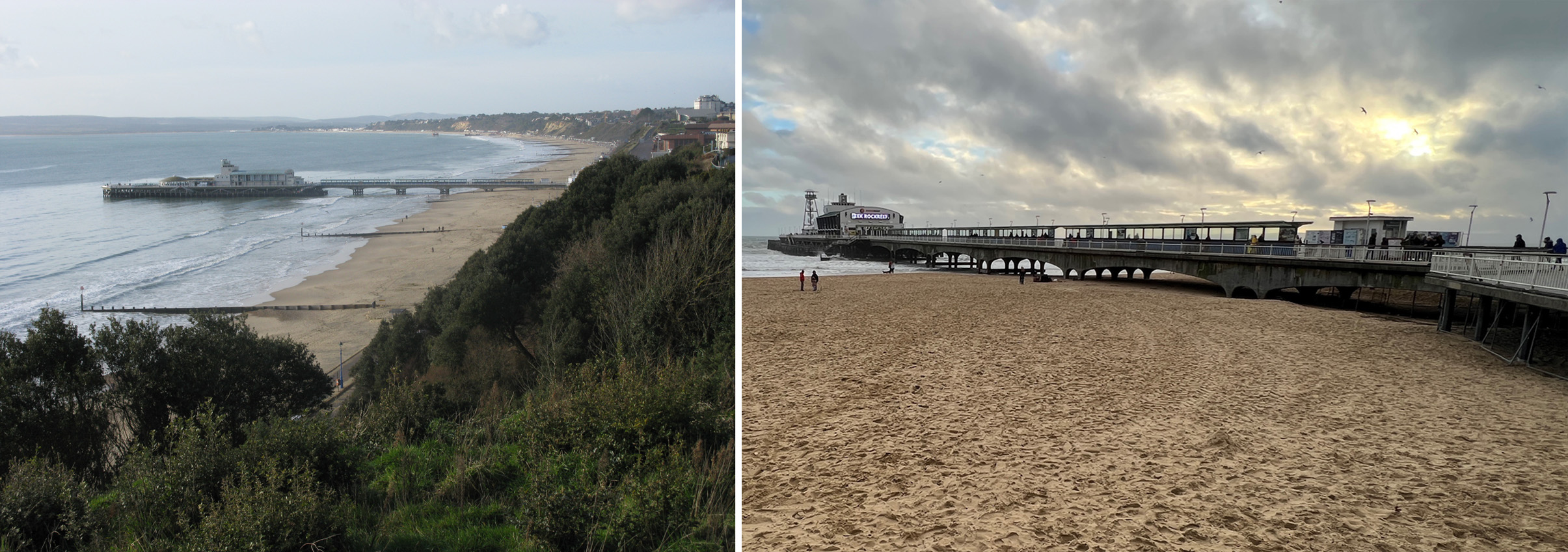
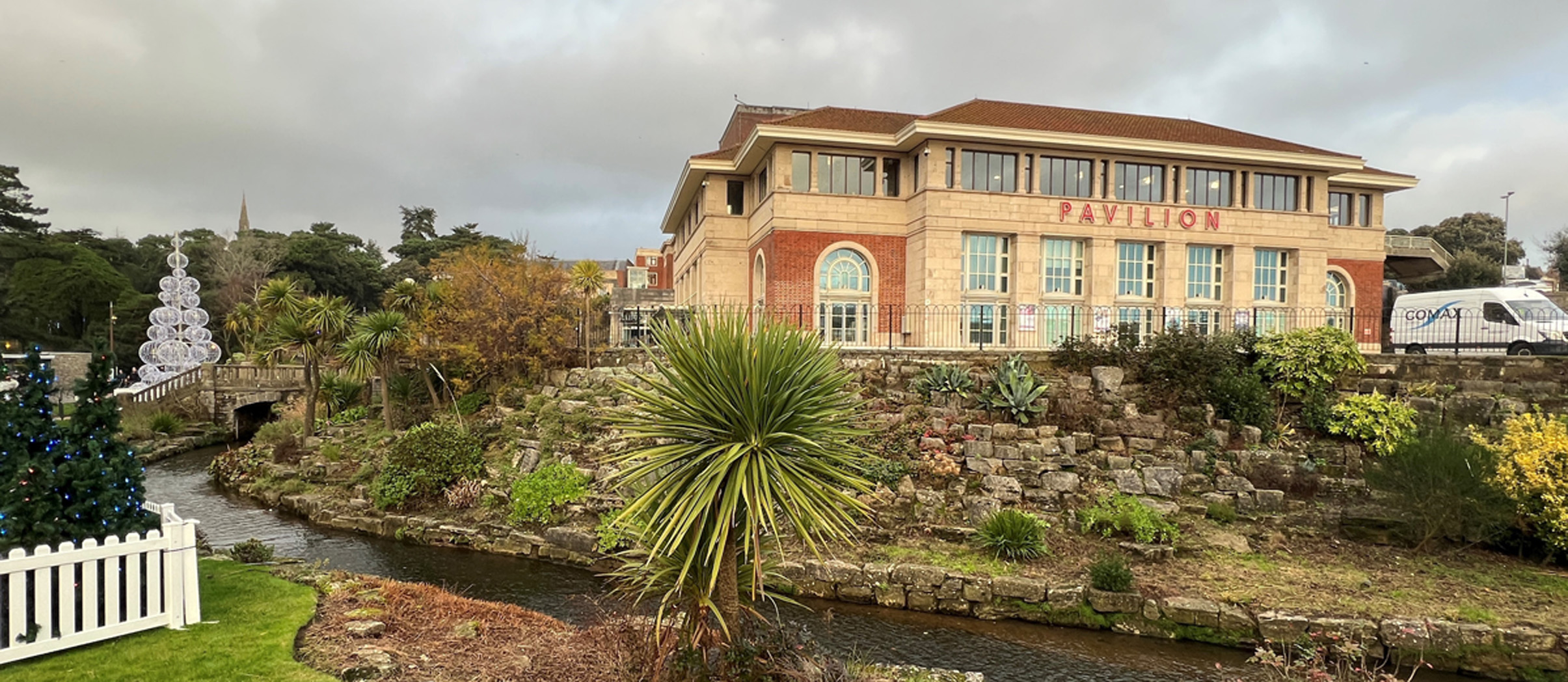
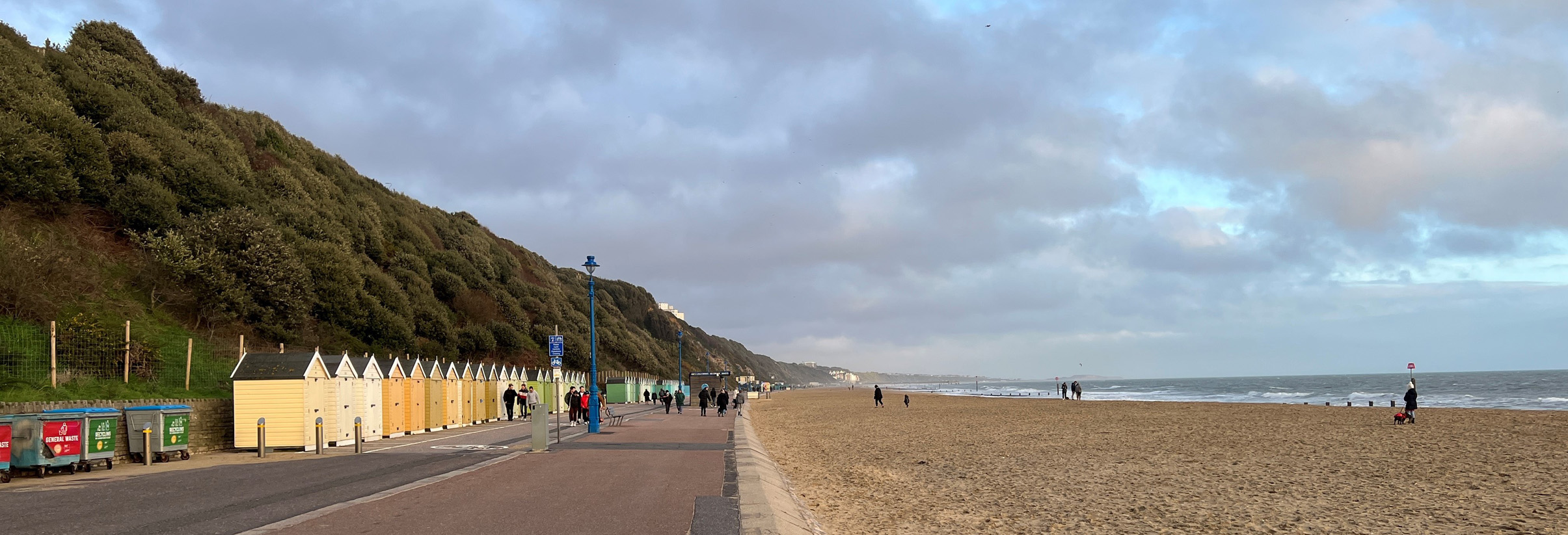
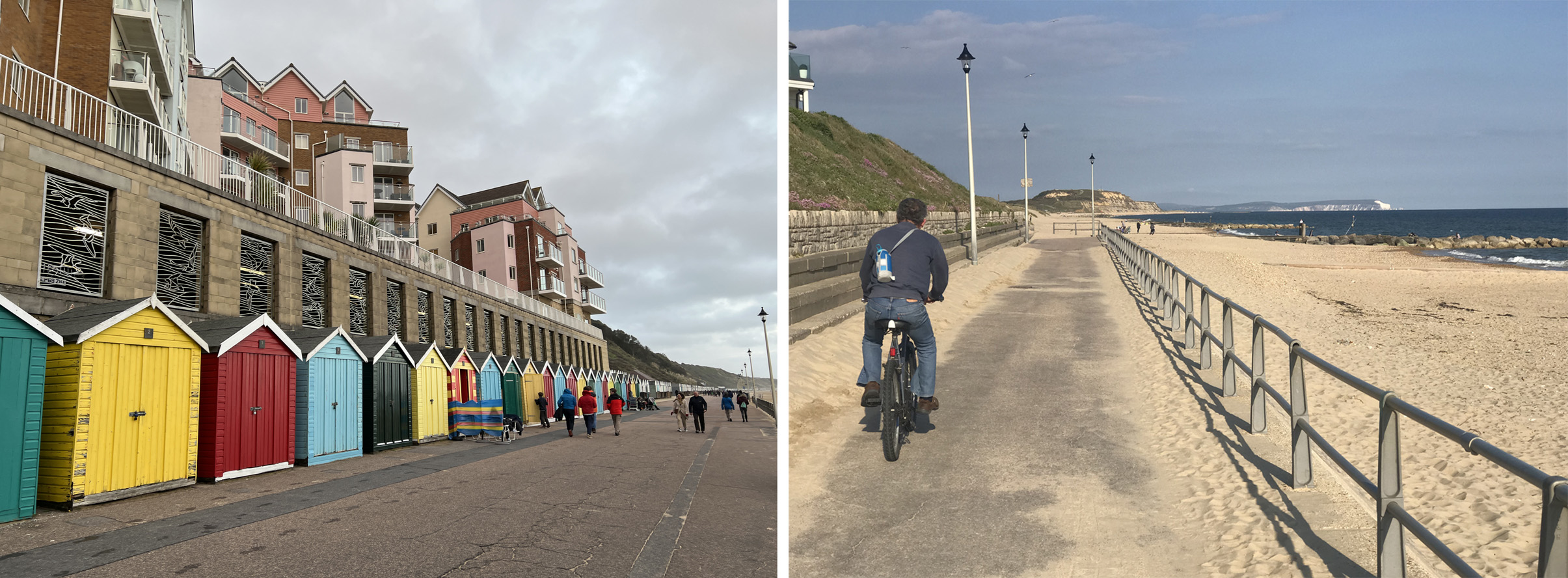
Bournemouth together with Brighton and Blackpool, is one of the three leading holiday resorts in Great Britain. It is also the town where I was born, grew up and was educated until I went to university. With a fine sandy beach and situated between the New Forest and Poole Harbour, it is a fine potential base for exploring Wessex. Many of the locations and attractions described in this article are within an hour’s drive of Bournemouth.
The New Forest
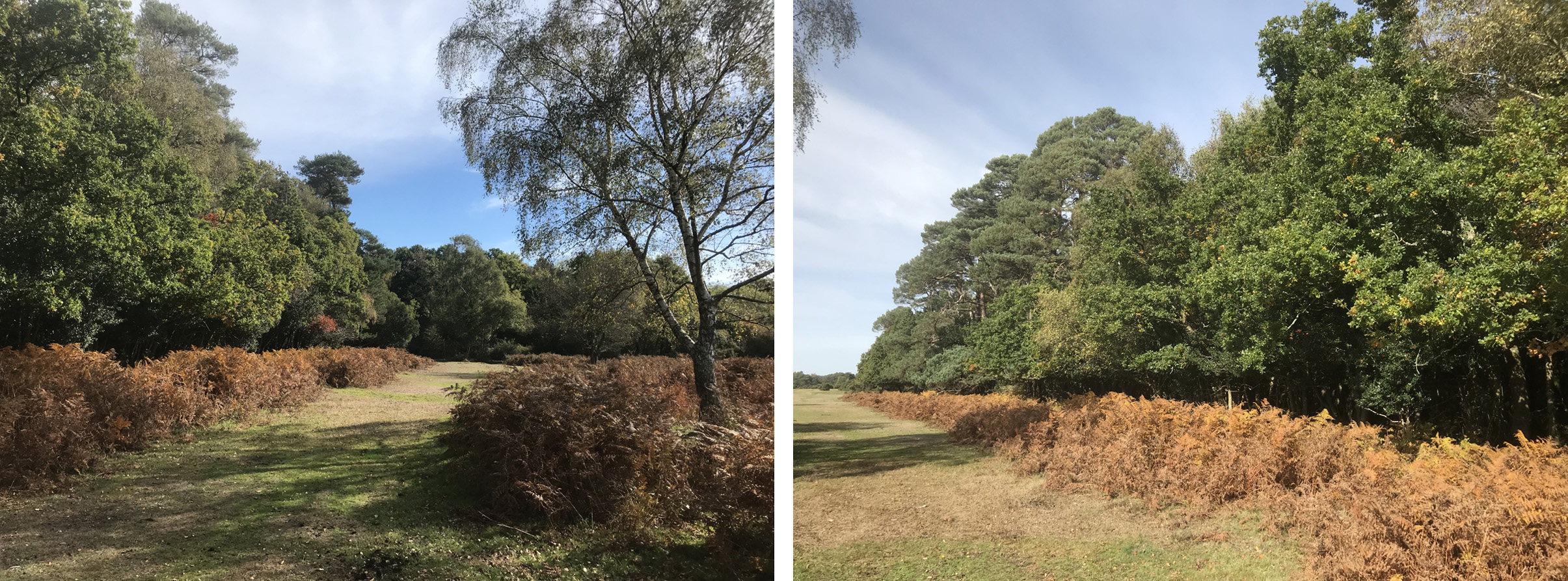
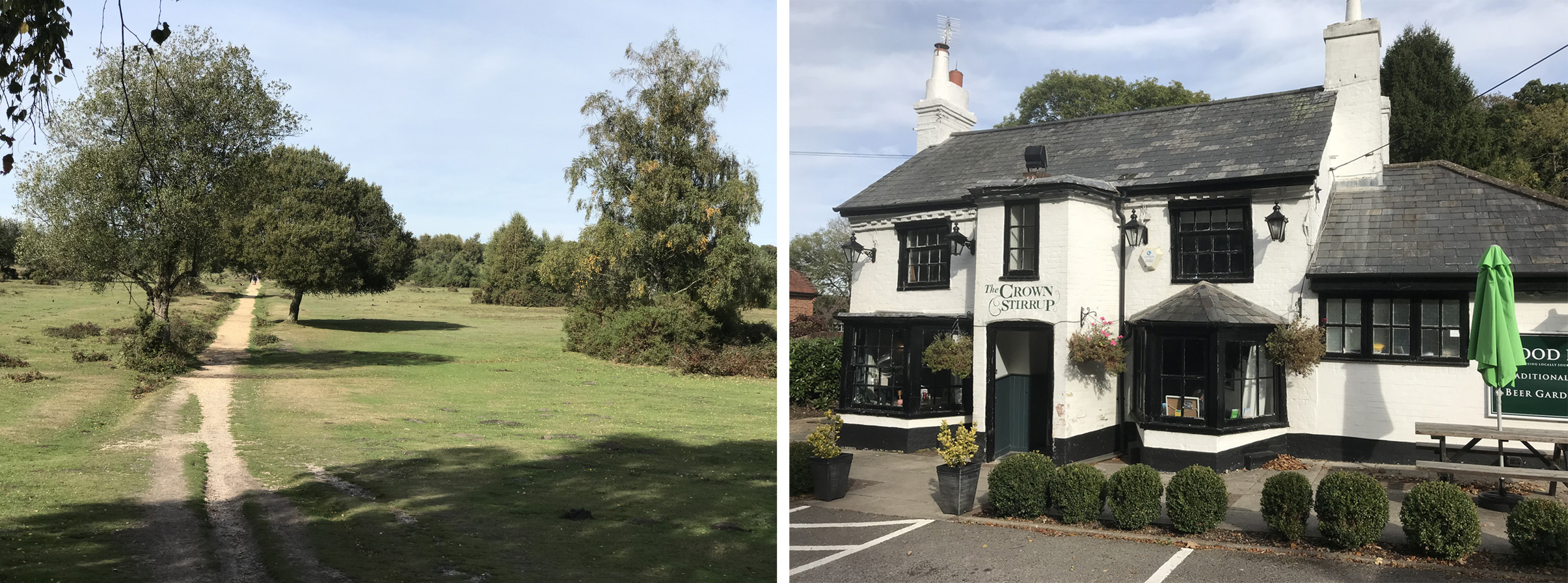
The New Forest is one of the largest areas of unenclosed pasture land, heathland and forest in southern England and was proclaimed a Royal Forest by William the Conqueror in 1079.



Winchester
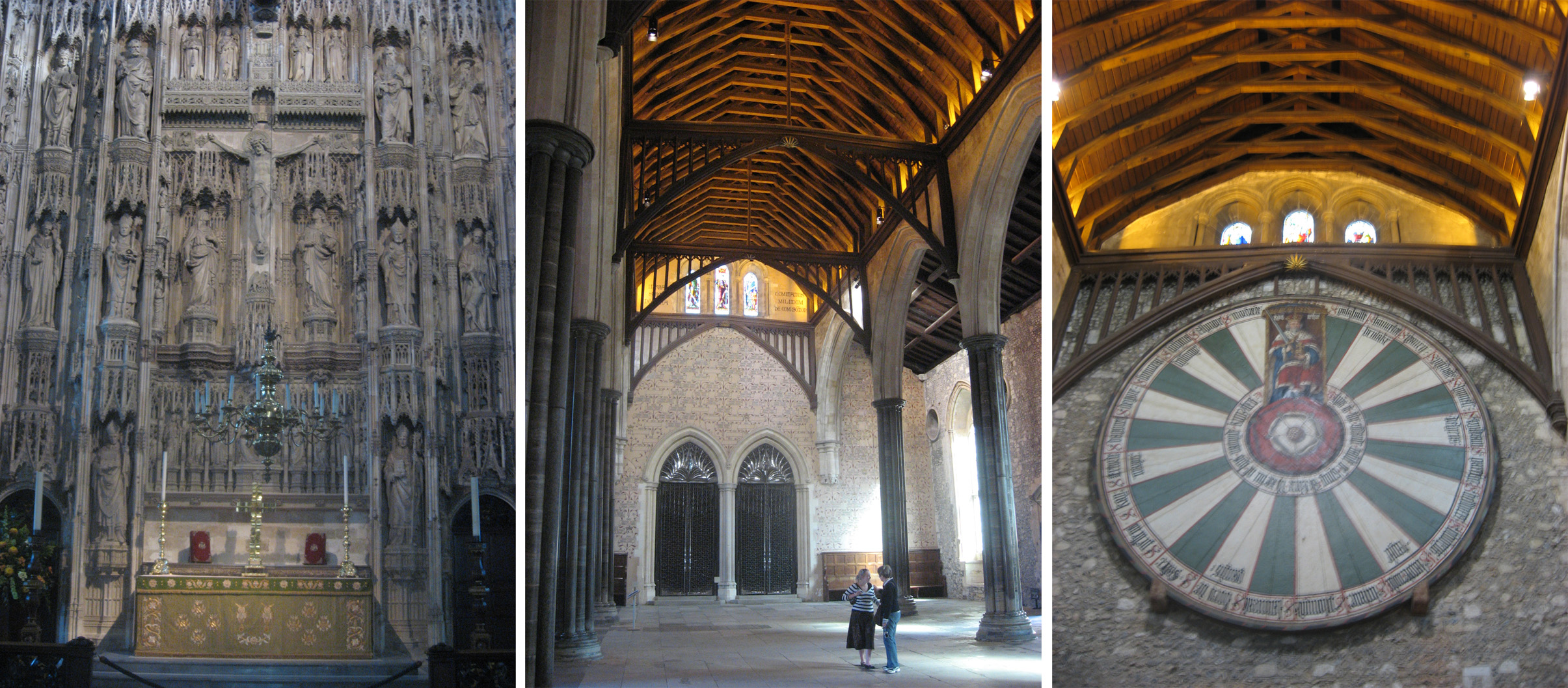
Winchester dates from Roman times and if not the formal capital, was certainly the most important city in the West Saxon Kingdom during the 7th and 8th centuries. Alfred the Great laid down the present street plan in the 9th century to provide a better defence against the Viking invasions. Winchester’s major attraction is the famous Cathedral built between 1079 and 1532 and at 170 metres in length, it is the longest medieval cathedral in the world. Winchester College is the oldest private school in England being founded in 1382 and still uses many of its original buildings. The Great Hall which dates from 1235 is all that remains of Winchester Castle.

There is probably no other region in the United Kingdom which has such a range of attractions within such close proximity and Wessex is well worth an extended stay.
©Michael Bromfield 2025
 Notes from a Nomad
September 6, 2025 at 7:51 PM
What wonderful photos of an area which used to be a stamping ground of mine. Just one Point of Order – whilst Hardy’s Wessex was imaginary, in that the places he described are all real places but with changed names, the Kingdom of Wessex was a real place up to and including the Norman Conquest. From the time of King Alfred onwards it was the dominant of the three main Anglo-Saxon Kingdoms.
Pingback: 90 – ‘Slowing Down in Mürren August 12 – September 21 2024 | Notes from a Nomad